
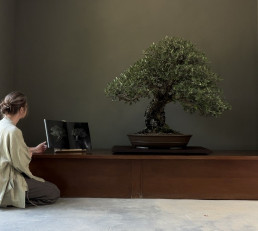
Alcornoque/ Cork oak
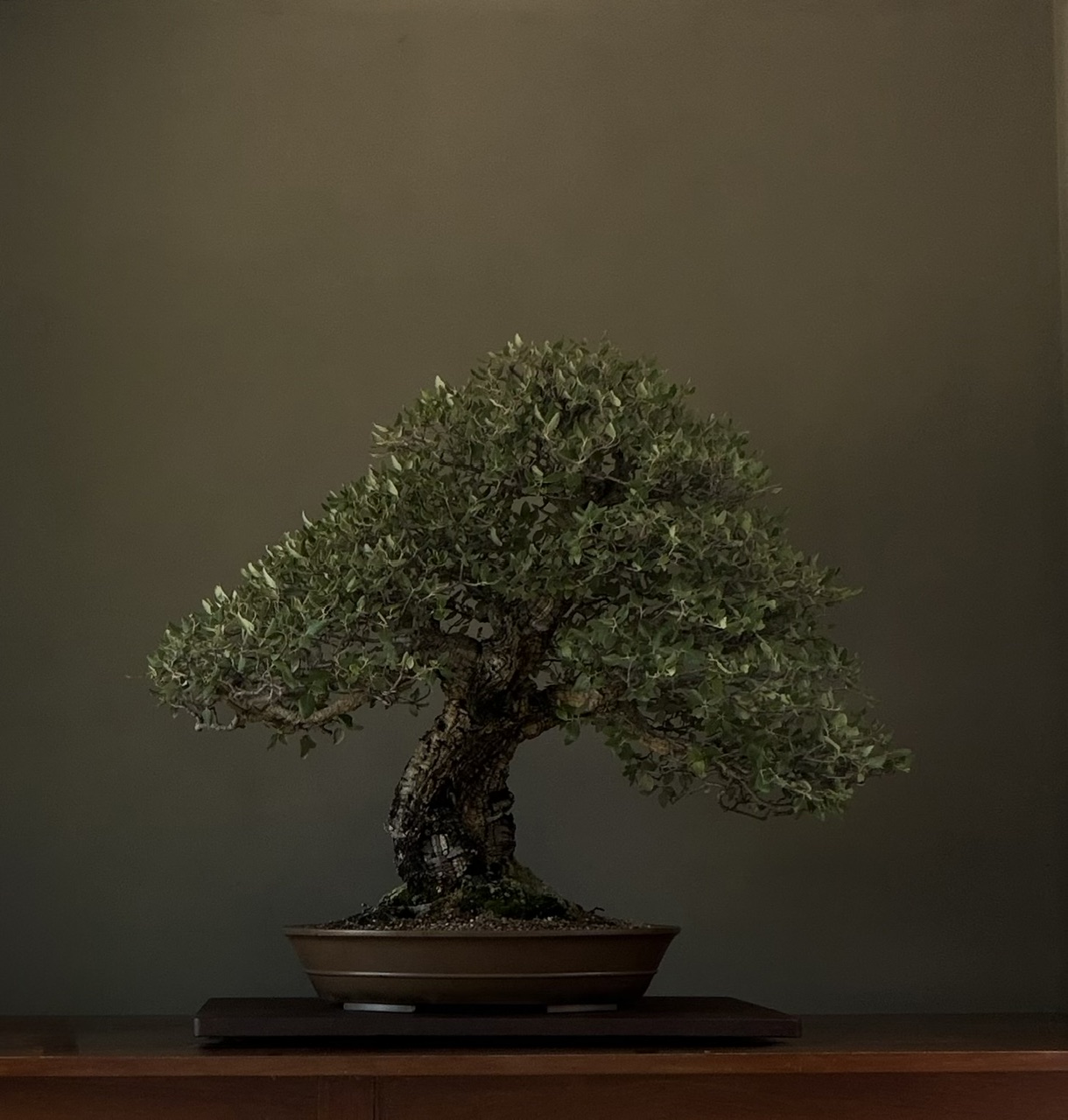
Hay árboles de la colección que conectan directamente con su ejemplo en la naturaleza, este alcornoque es uno de ellos.
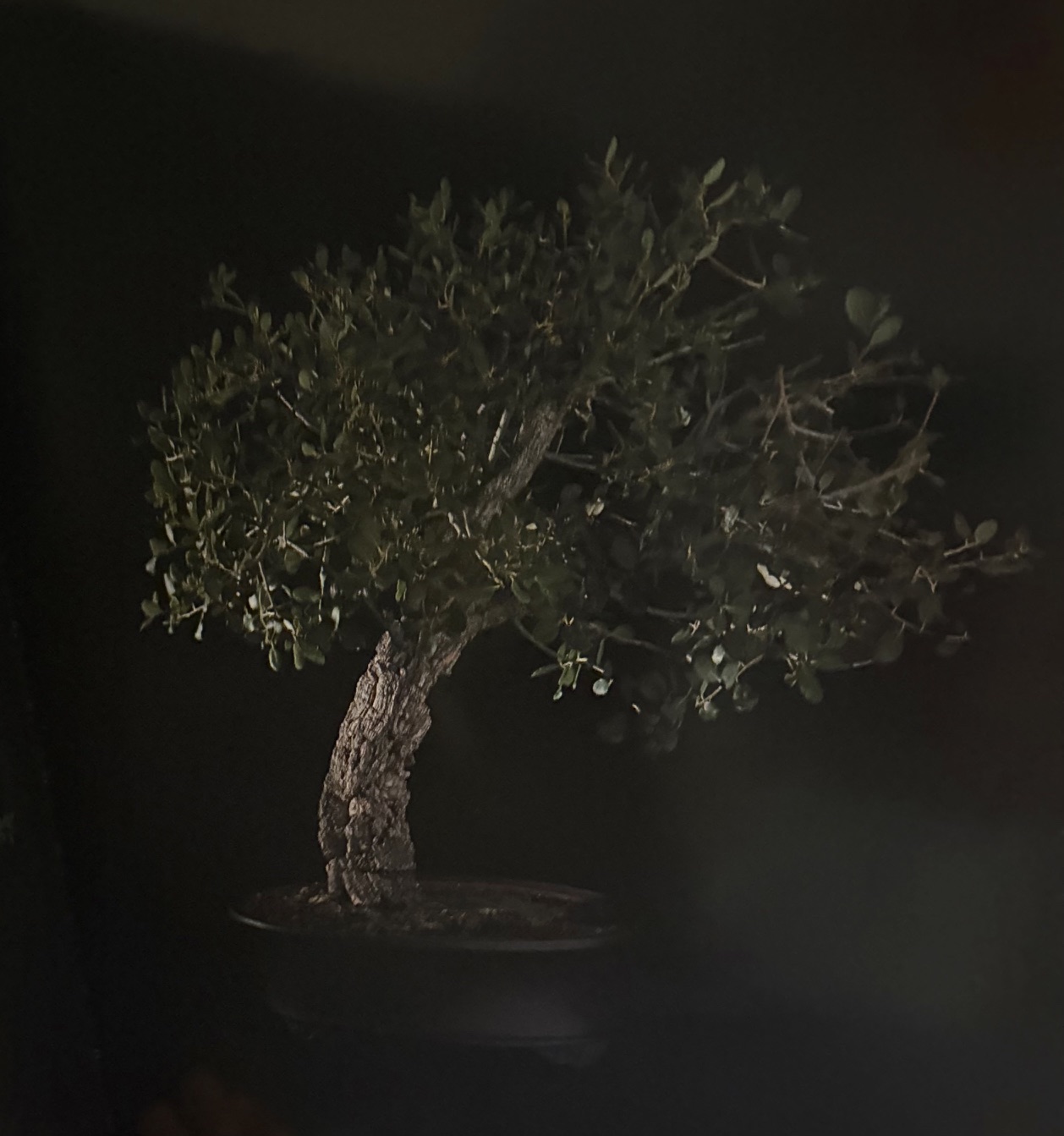
Su historia se remonta a los años ochenta y su evolución es asombrosa. La fotografía es del primer libro de Luis: “Escultura y Naturaleza” (año 2000)
El árbol de hace 26 años era menos alcornoque que ahora, esta es la evolución lógica, llegar con el tiempo al modelo idealizado que un día conocimos en la naturaleza; los alcornoques de las dehesas extremeñas, los de las sierras de Cadiz, Málaga…del bosque Mediterraneo.
Es esencial en nuestro ecosistema; refugio de aves, pequeños mamíferos e insectos. Sus bellotas alimentan a la fauna local, sus raíces profundas evitan la erosión y ayudan a recargar los acuíferos subterráneos, el corcho protege al alcornoque del fuego, permitiendo que se regenere tras un incendio.
Lo tiene todo, incluida su espectacular belleza.
There are trees in the collection that connect directly with their example in nature; this cork oak is one of them.
Its history dates back to the 1980s and its evolution is astonishing. The photograph is from Luis’s first book: ‘Escultura y Naturaleza”. (2000)
The tree from 26 years ago looked less like a cork oak than it does now; this is the logical evolution – gradually reaching the idealised model we once encountered in nature: the cork oaks of the Extremaduran dehesas, those of the mountains of Cádiz and Málaga, and those of the Mediterranean forest.
It is essential to our ecosystem: a refuge for birds, small animals and insects… its acorns feed the local wildlife; its deep roots prevent erosion and help to replenish underground aquifers; the cork protects the tree from fire, allowing it to regenerate after a wildfire.
It has it all, including its spectacular beauty.




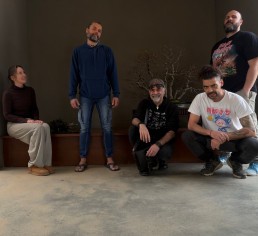
Un tokonoma lleno de gente/ A tokonoma full of people
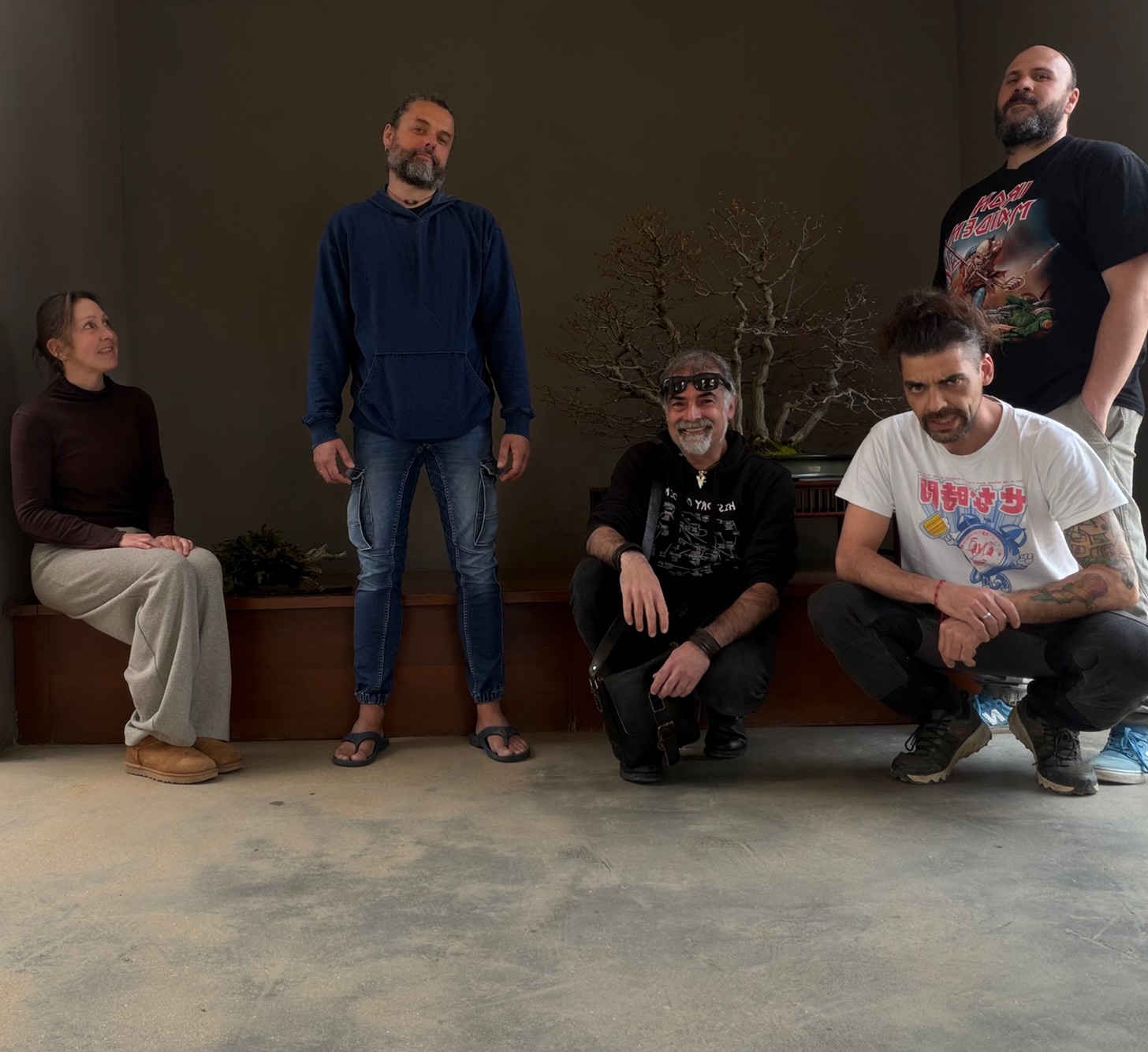
At the Luis Vallejo Bonsai Garden
we might be a little bit crazy.
But how could it be otherwise
in the world of bonsai?
One thing is clear
we love what we do.
And we do what we love
Each of us has a place.
Each of us has a role.
Quite hands
Patient work.
Day after day.
Season after season
we care for these trees,
giving our time,
our knowledge,
our respect.
Doing our best
to honour and protect
the bonsai
at the Luis Vallejo Bonsai Garden…
Texto by Mario Komsta
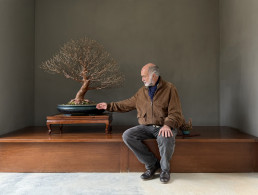
Tokonoma Morioka
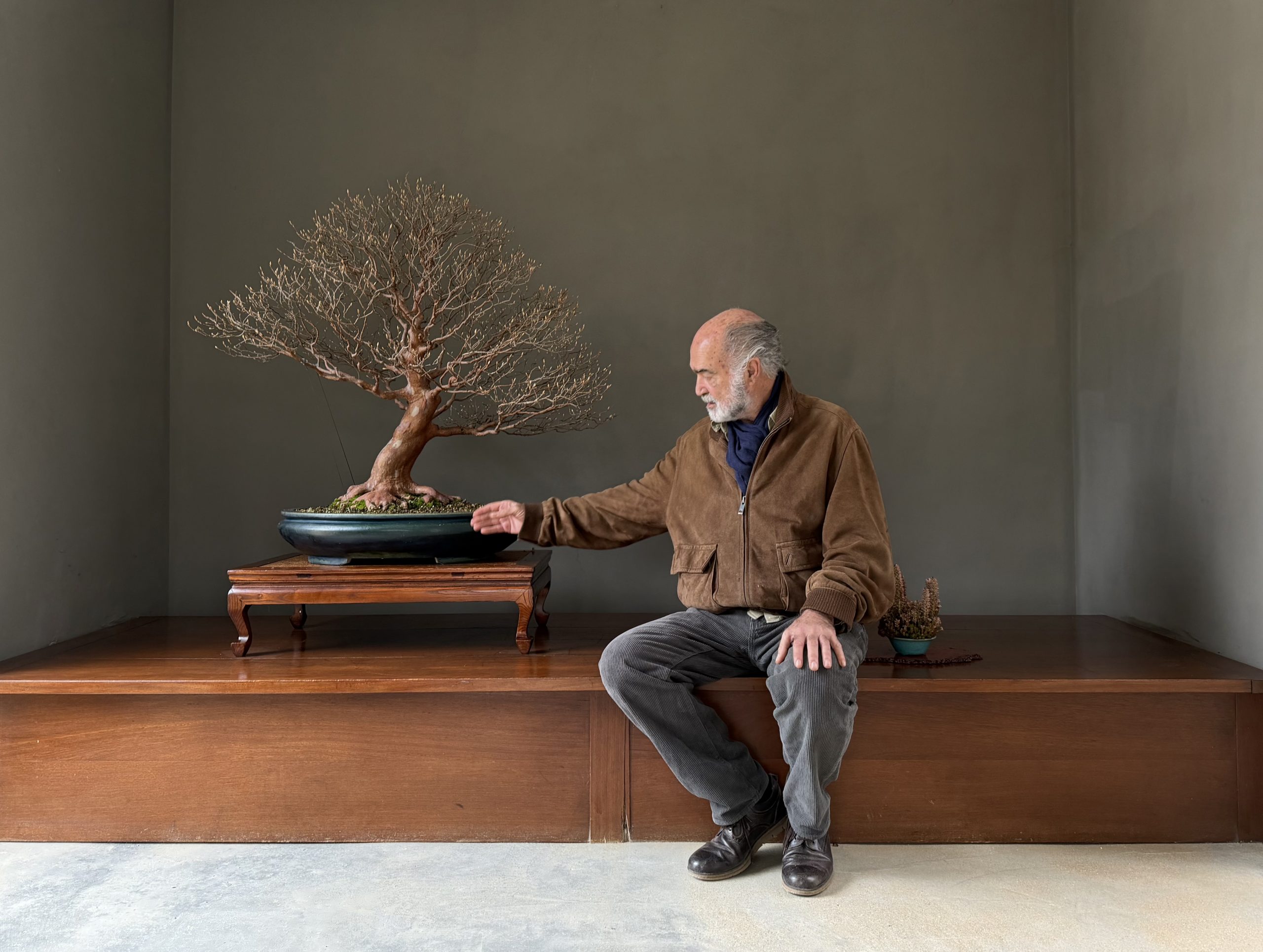
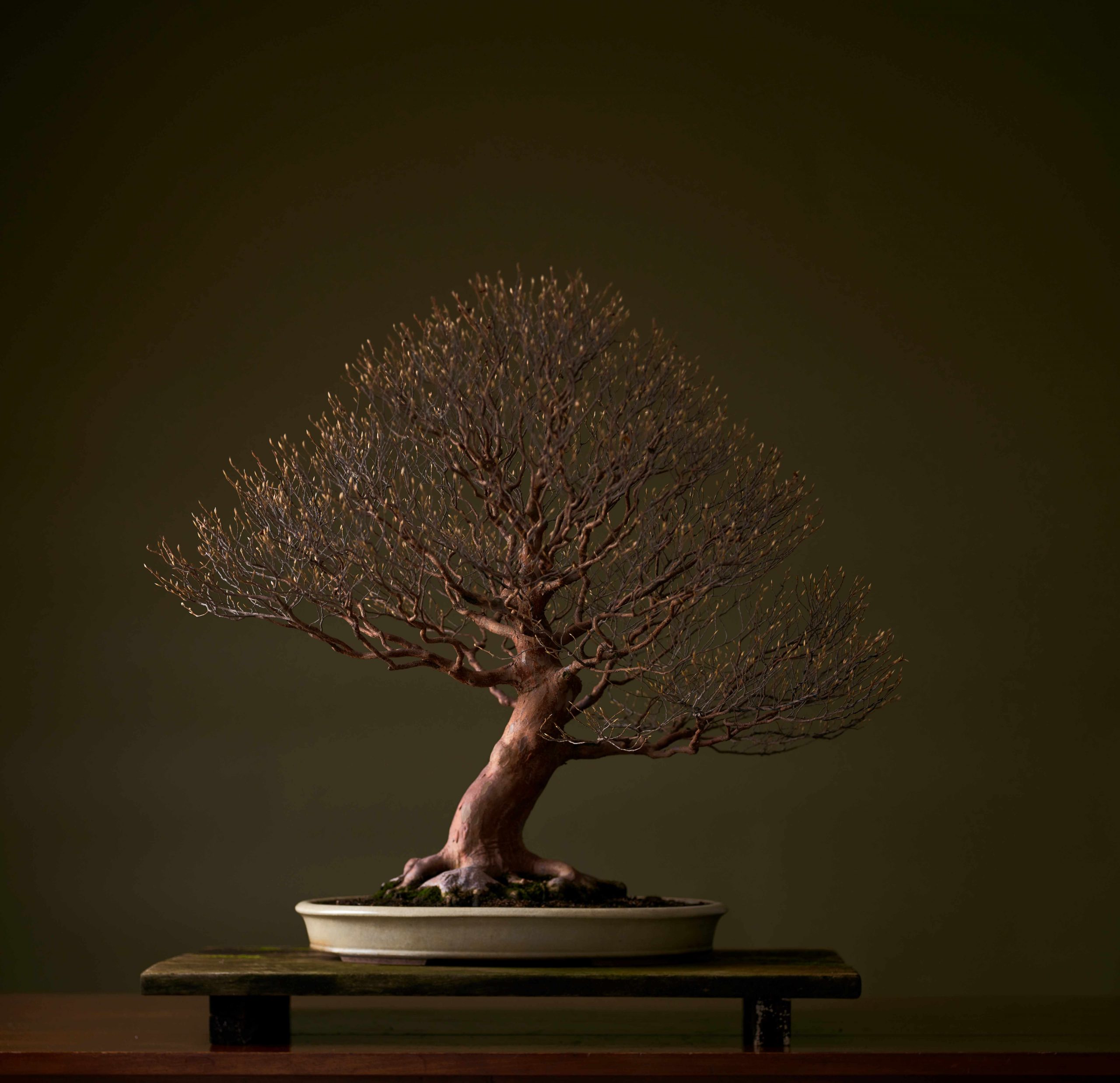
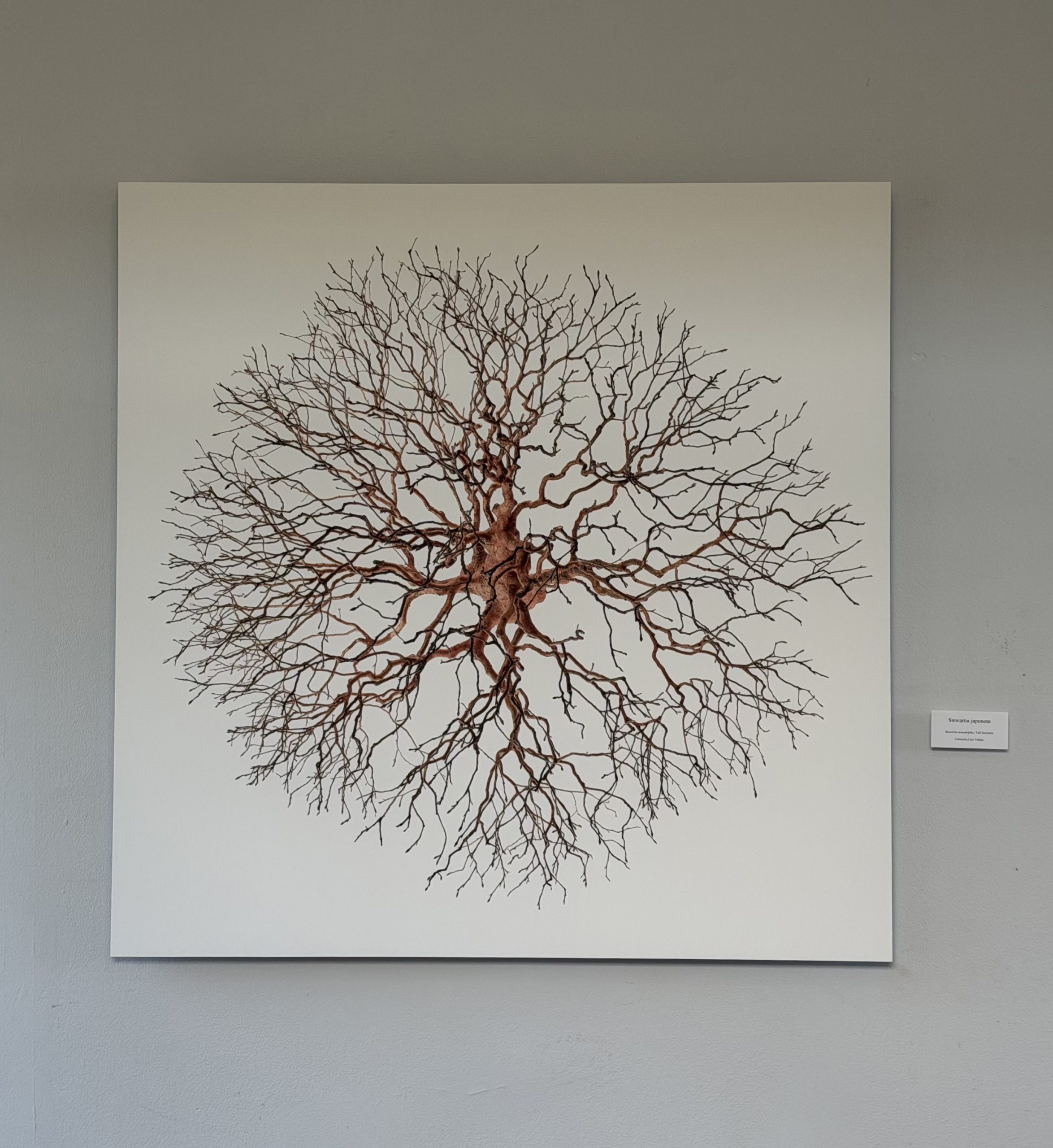
Hoy tenemos a la Stewartia en el Tokonoma. Está mejor que nunca, en ese momento en el que luce su estructura y ya pueden verse sus brotes dorados. La gente se para, le hace fotos, me pregunta si es “de verdad”. Surgen conversaciones en torno a ella, la especie, su madera anaranjada, su origen…
Para completar el homenaje a la Stewartia, (porque eso hacemos al distinguir un árbol y colocarlo en el tokonoma) tenemos expuesta una fotografía que le hizo Andrea Savini desde arriba. Así todo el espacio de entrada está dedicado a ella.
De pronto pienso en la librería de Morioka Shoten del barrio de Ginza en Tokio, que se hizo famosa hace unos años por el concepto “una estancia un libro” .En su librería cada semana hay un solo libro y todo gira en torno a él. La idea de Morioka es dar protagonismo a una obra y promover el diálogo entre esta y su público. Si en el sector editorial es algo revolucionario por la cantidad de oferta y novedades que se apilan en las librerías, en cualquier colección expuesta es una idea interesante para distinguir una de sus obras.
Con este bonito concepto y con el año, empezamos con la Stewartia nuestro “una estancia un árbol” del mes.
Today we have the Stewartia in the Tokonoma. It is better than ever, at that moment when it is showing its structure and you can already see its golden buds. People stop, take pictures, ask me if it is ‘real’. Conversations arise around it, the species, its orange bark, its origin…
To complete the homage to the Stewartia, (because that is what we do when we distinguish a tree and place it in the tokonoma) we have on display a photograph that Andrea Savini took of it from above. So the whole of the entrance space is dedicated to it.
Suddenly I think of the Morioka Shoten bookshop in Tokyo’s Ginza district, which became famous a few years ago for its ‘a single room, a single book’ concept, where every week there is a single book at the shop and everything revolves around it. Morioka’s idea is to give prominence to a work and promote dialogue between it and its audience. If in the publishing sector it is something revolutionary due to the amount of offer and novelties that pile up in the bookshops, in any collection on display it is an interesting idea to distinguish one of the works.
With this nice concept and with the beginning of the year, we start with the Stewartia our “a single room a single tree” of the month.