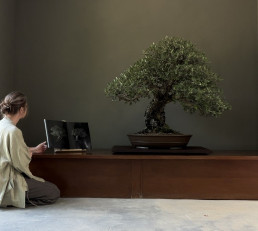
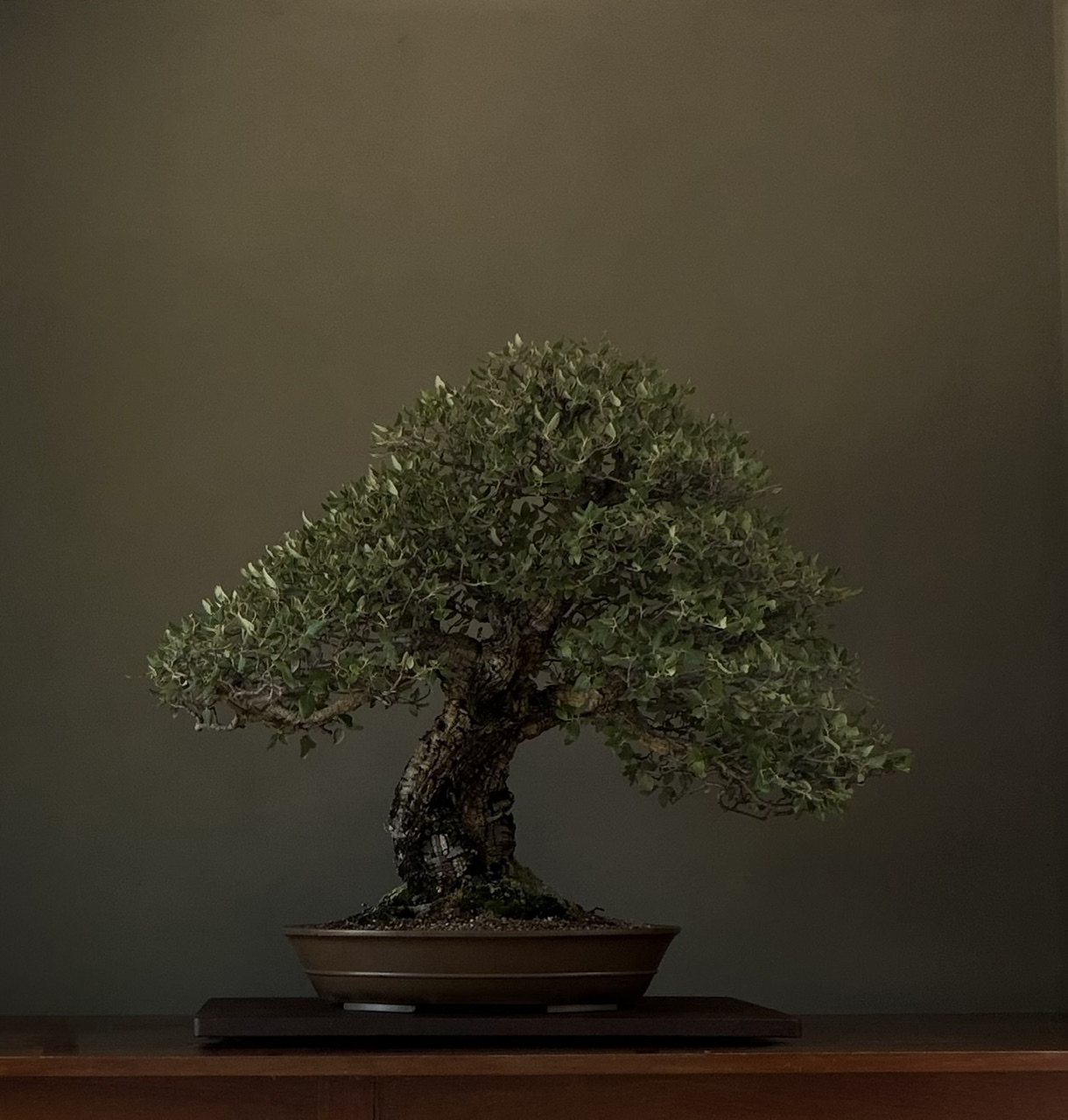
Hay árboles de la colección que conectan directamente con su ejemplo en la naturaleza, este alcornoque es uno de ellos.
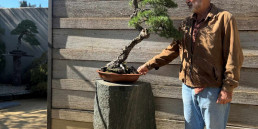
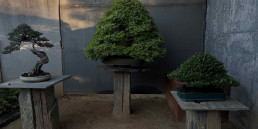
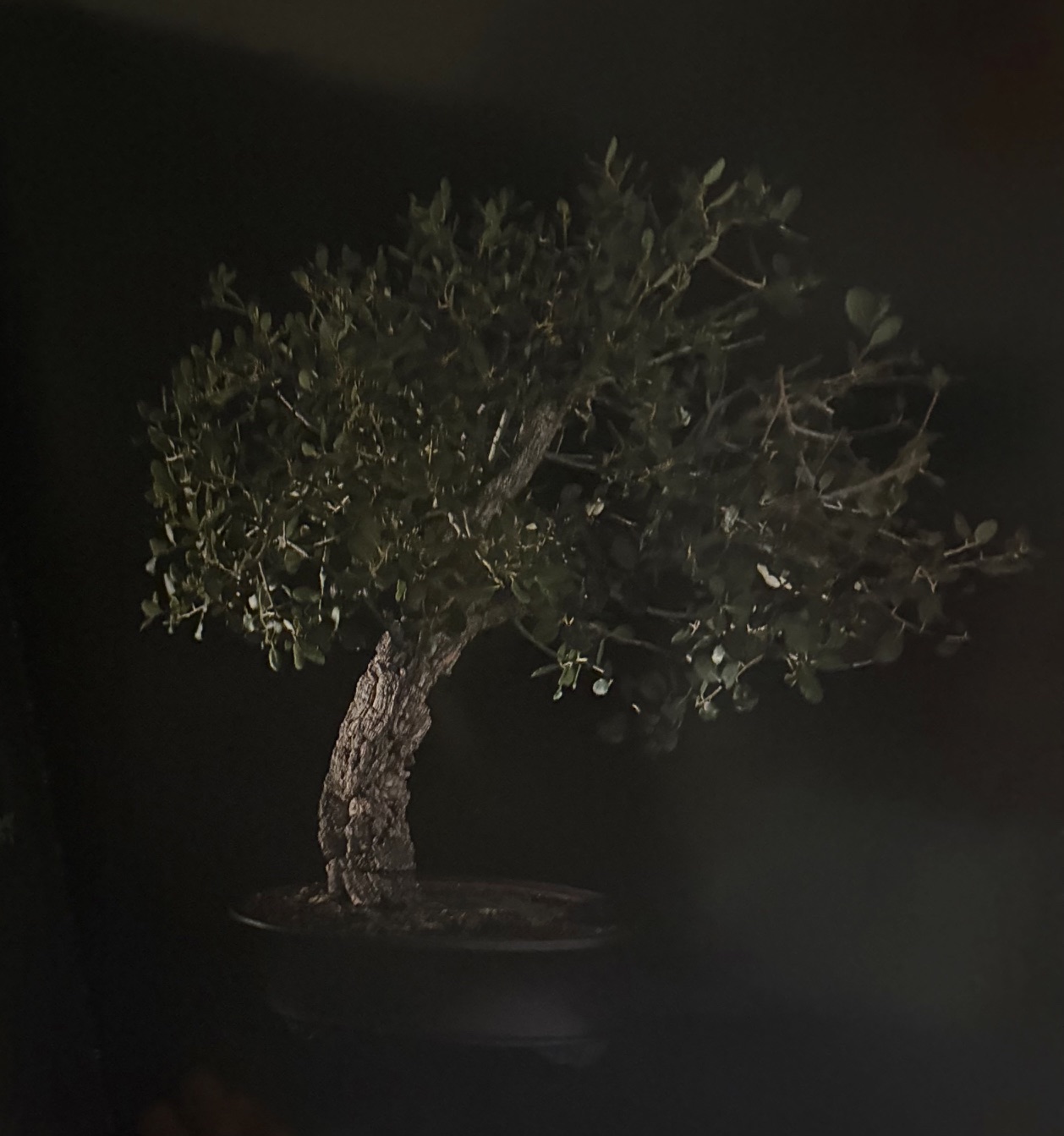
Su historia se remonta a los años ochenta y su evolución es asombrosa. La fotografía es del primer libro de Luis: “Escultura y Naturaleza” (año 2000)
El árbol de hace 26 años era menos alcornoque que ahora, esta es la evolución lógica, llegar con el tiempo al modelo idealizado que un día conocimos en la naturaleza; los alcornoques de las dehesas extremeñas, los de las sierras de Cadiz, Málaga…del bosque Mediterraneo.
Es esencial en nuestro ecosistema; refugio de aves, pequeños mamíferos e insectos. Sus bellotas alimentan a la fauna local, sus raíces profundas evitan la erosión y ayudan a recargar los acuíferos subterráneos, el corcho protege al alcornoque del fuego, permitiendo que se regenere tras un incendio.
Lo tiene todo, incluida su espectacular belleza.
There are trees in the collection that connect directly with their example in nature; this cork oak is one of them.
Its history dates back to the 1980s and its evolution is astonishing. The photograph is from Luis’s first book: ‘Escultura y Naturaleza”. (2000)
The tree from 26 years ago looked less like a cork oak than it does now; this is the logical evolution – gradually reaching the idealised model we once encountered in nature: the cork oaks of the Extremaduran dehesas, those of the mountains of Cádiz and Málaga, and those of the Mediterranean forest.
It is essential to our ecosystem: a refuge for birds, small animals and insects… its acorns feed the local wildlife; its deep roots prevent erosion and help to replenish underground aquifers; the cork protects the tree from fire, allowing it to regenerate after a wildfire.
It has it all, including its spectacular beauty.