Inteligencia natural
La inteligencia natural es biológica, consciente, creativa y adaptable.
Ayer hablaba con alguien sobre inteligencia artificial y de como esta se alimenta de las personas que crean. Pero si nadie crea y generación tras generación se trabaja sobre lo que alguien creó, sobre algo que era real, ¿llegará un momento en que todo se agote? Pienso en la inteligencia natural, la que es creativa, me la imagino como el agua que siempre encuentra su camino.
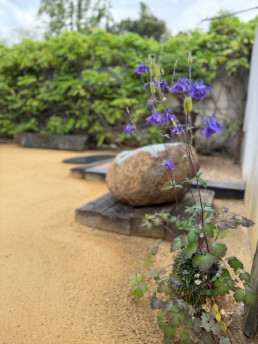
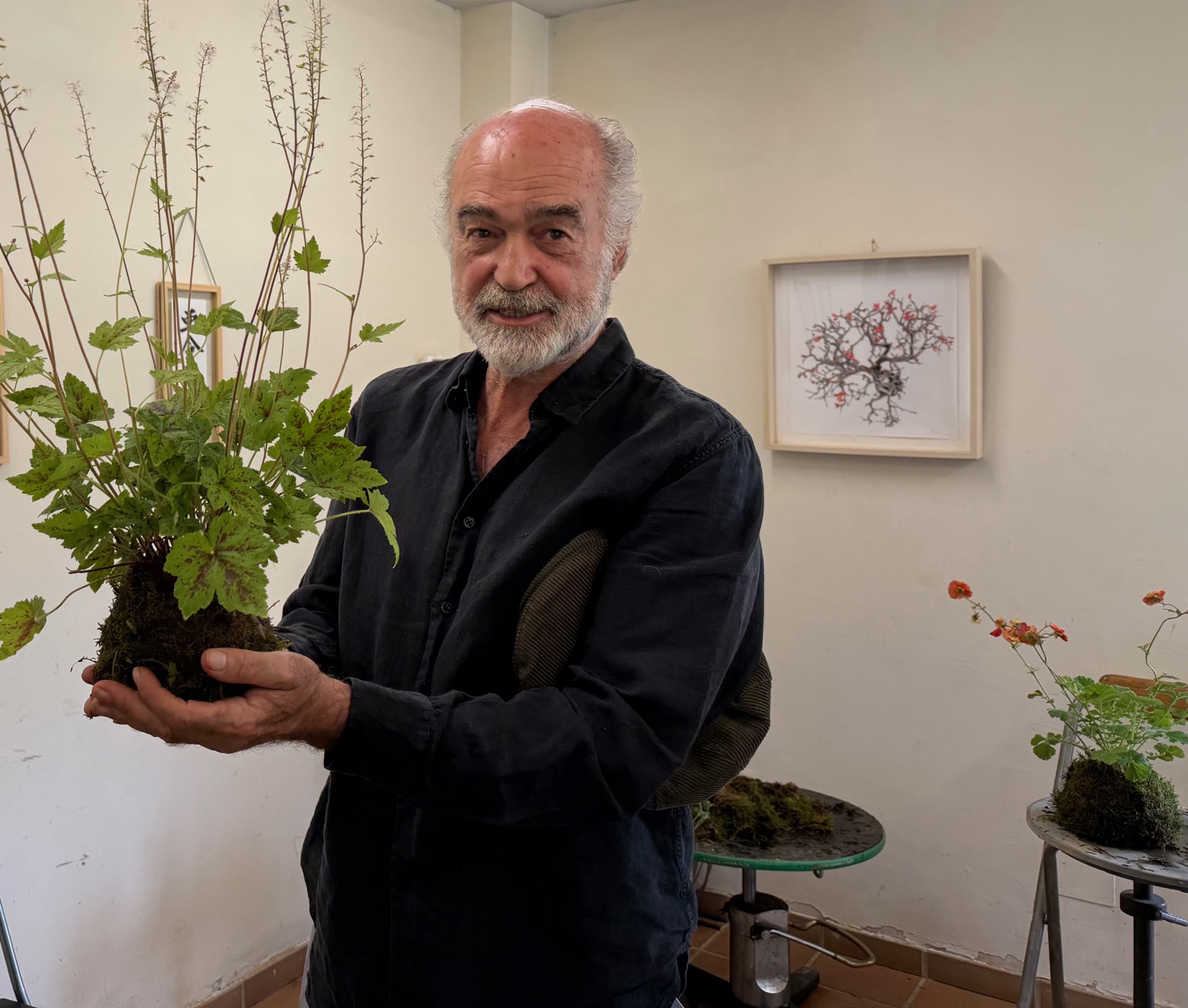
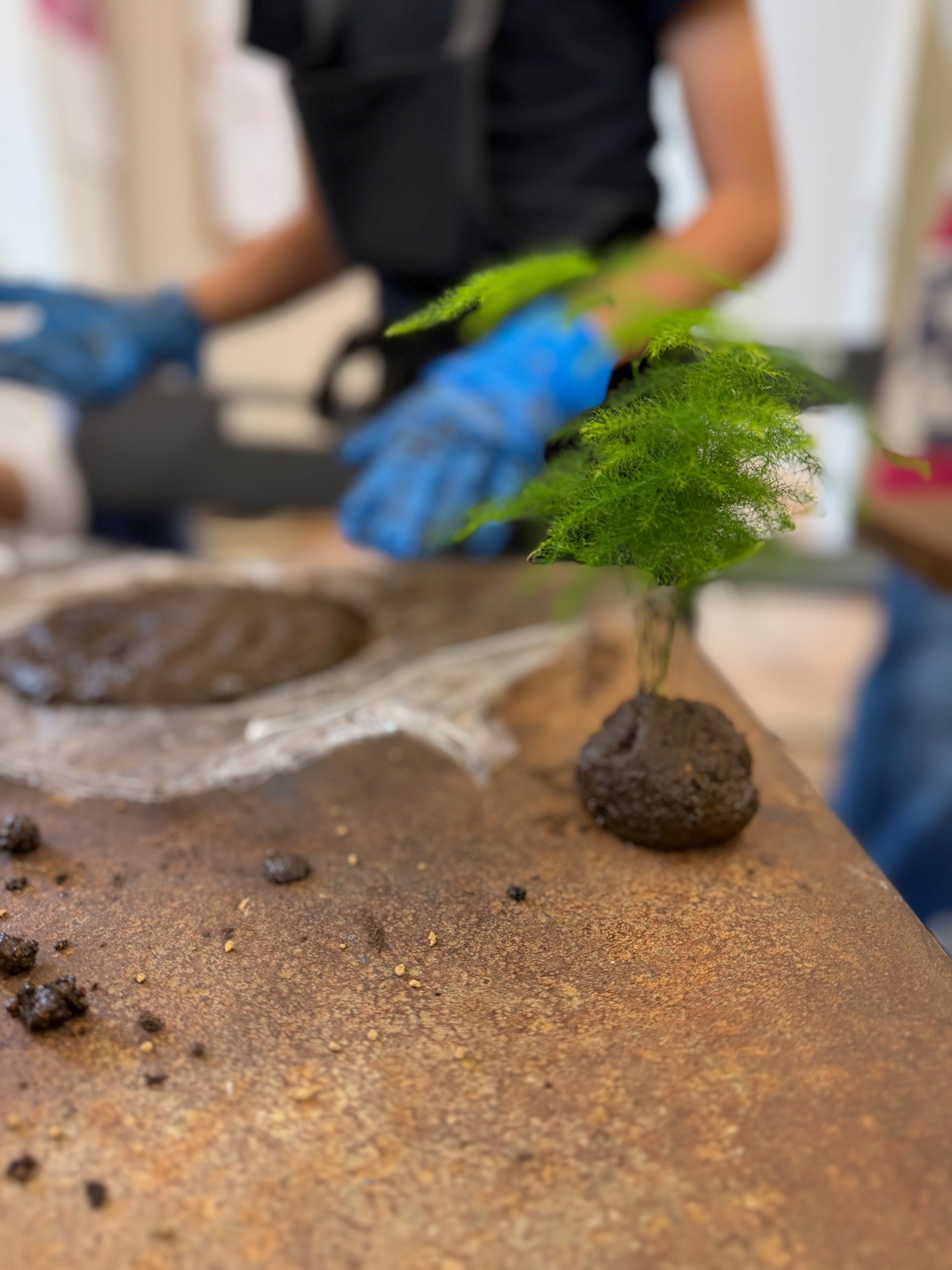
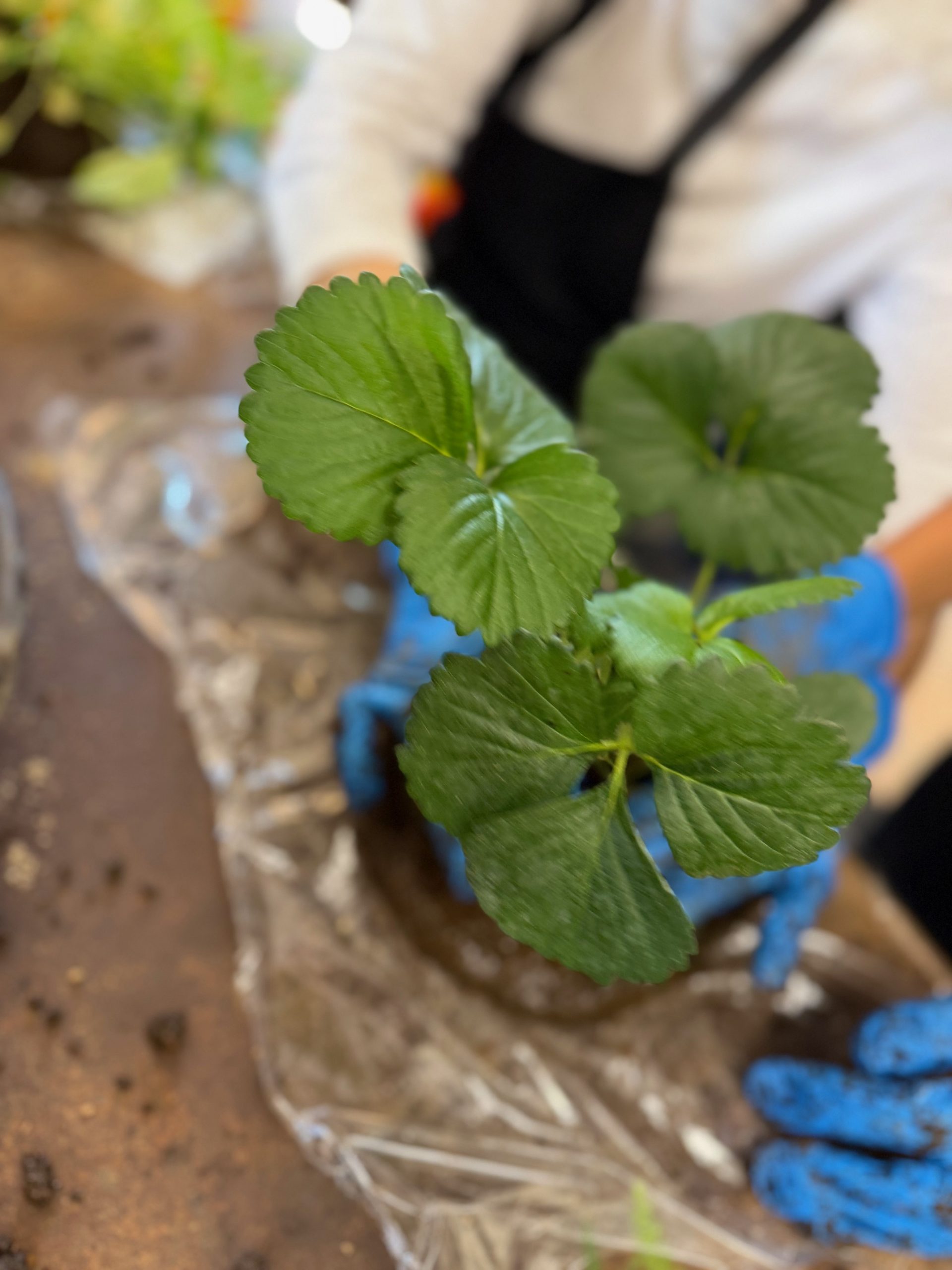
Un paseo por el jardín, un desayuno, un taller de kokedama, una charla….unas cuantas cosas que juntas llenan un día.
Nada más y nada menos.
Natural intelligence is biological, conscious, creative and adaptable.
Yesterday I was talking to someone about artificial intelligence and how it feeds on the people who create. But if nobody creates, and generation after generation builds on what someone else created—on something that was real—will there come a time when everything runs out? I think of natural intelligence, the kind that is creative; I imagine it like water that always finds its way.
A stroll through the garden, a breakfast, a kokedama workshop, a chat… a few things that, together, made up a day.
Nothing more and nothing less than that.

Pino albar
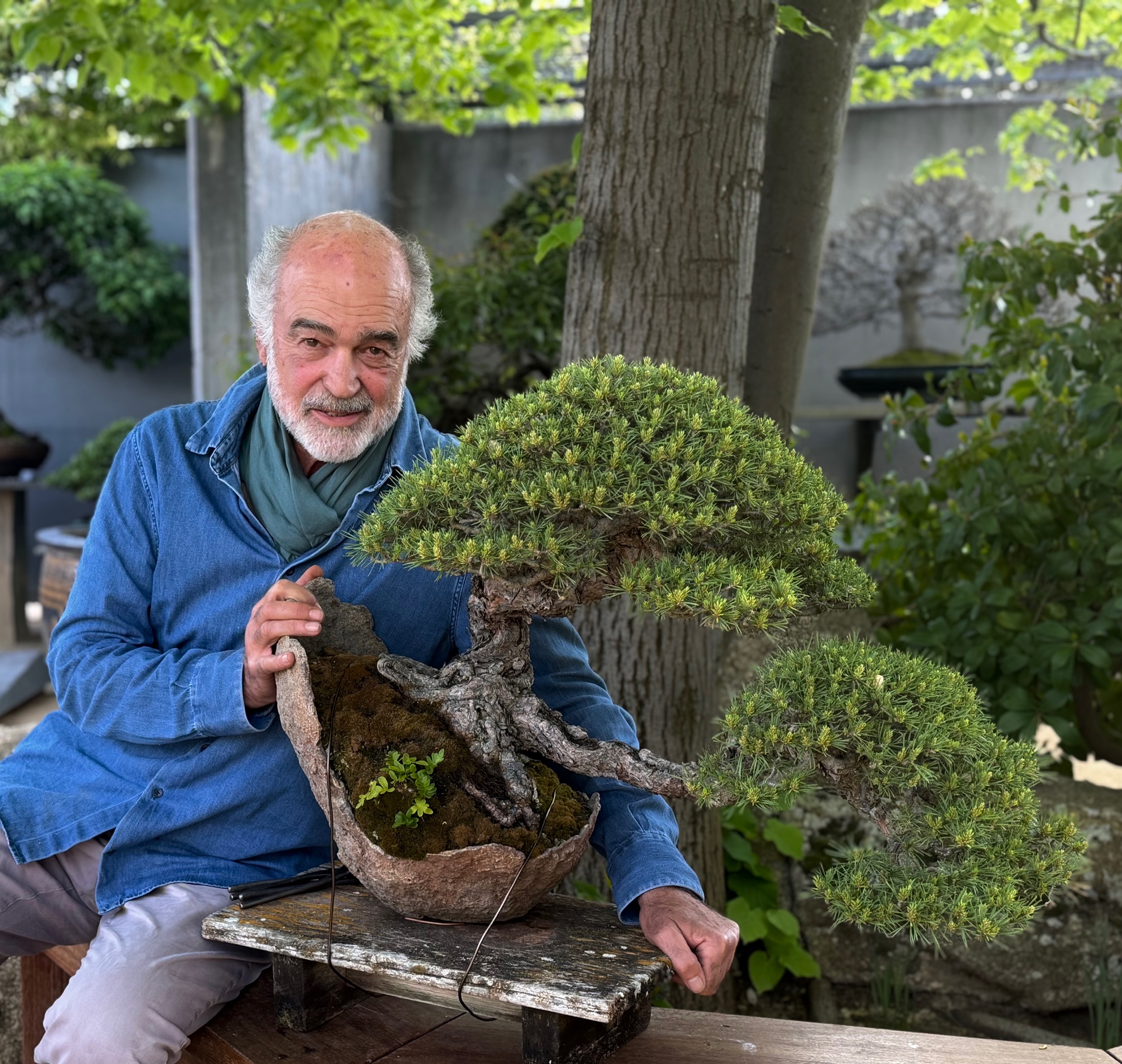
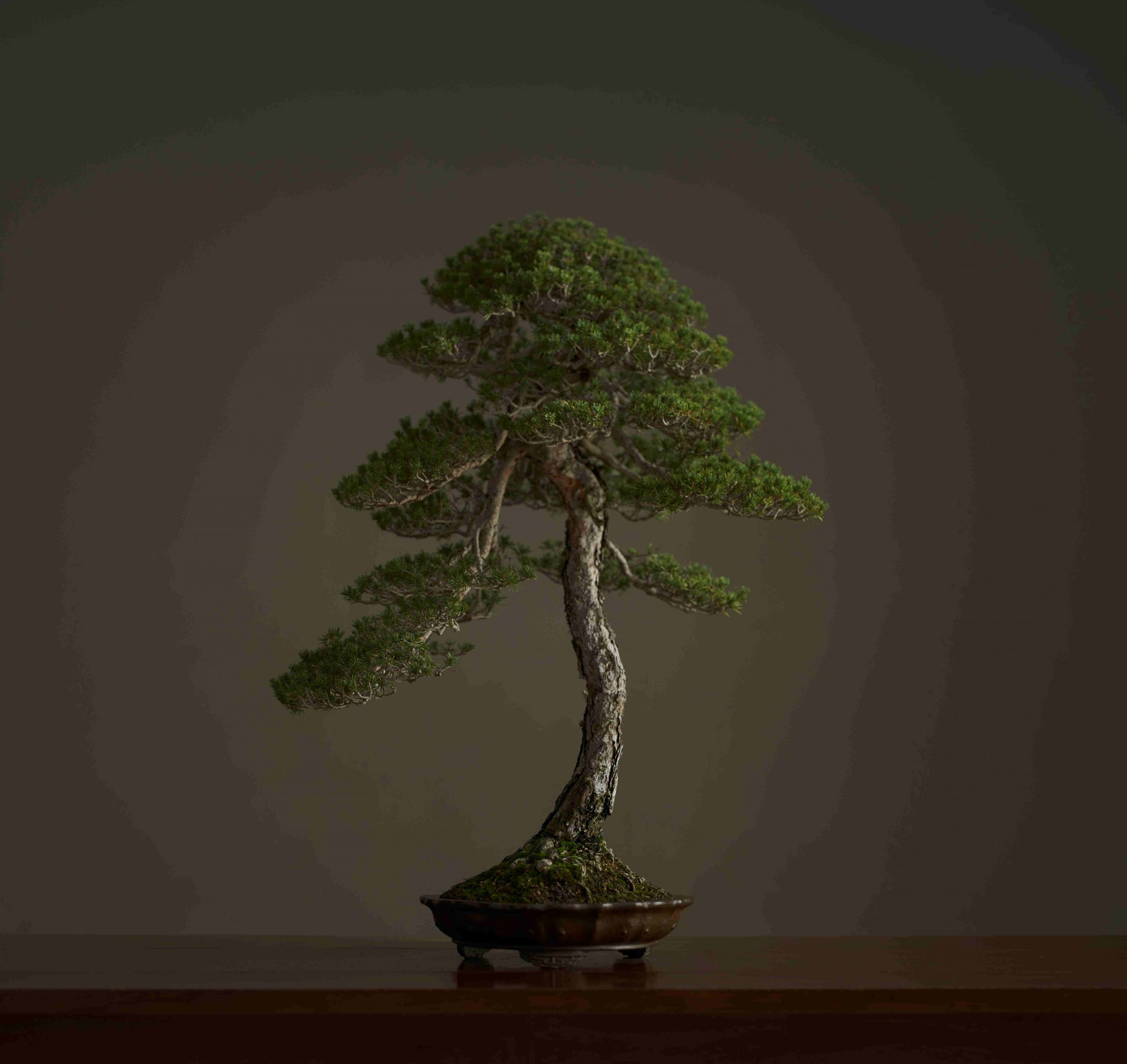
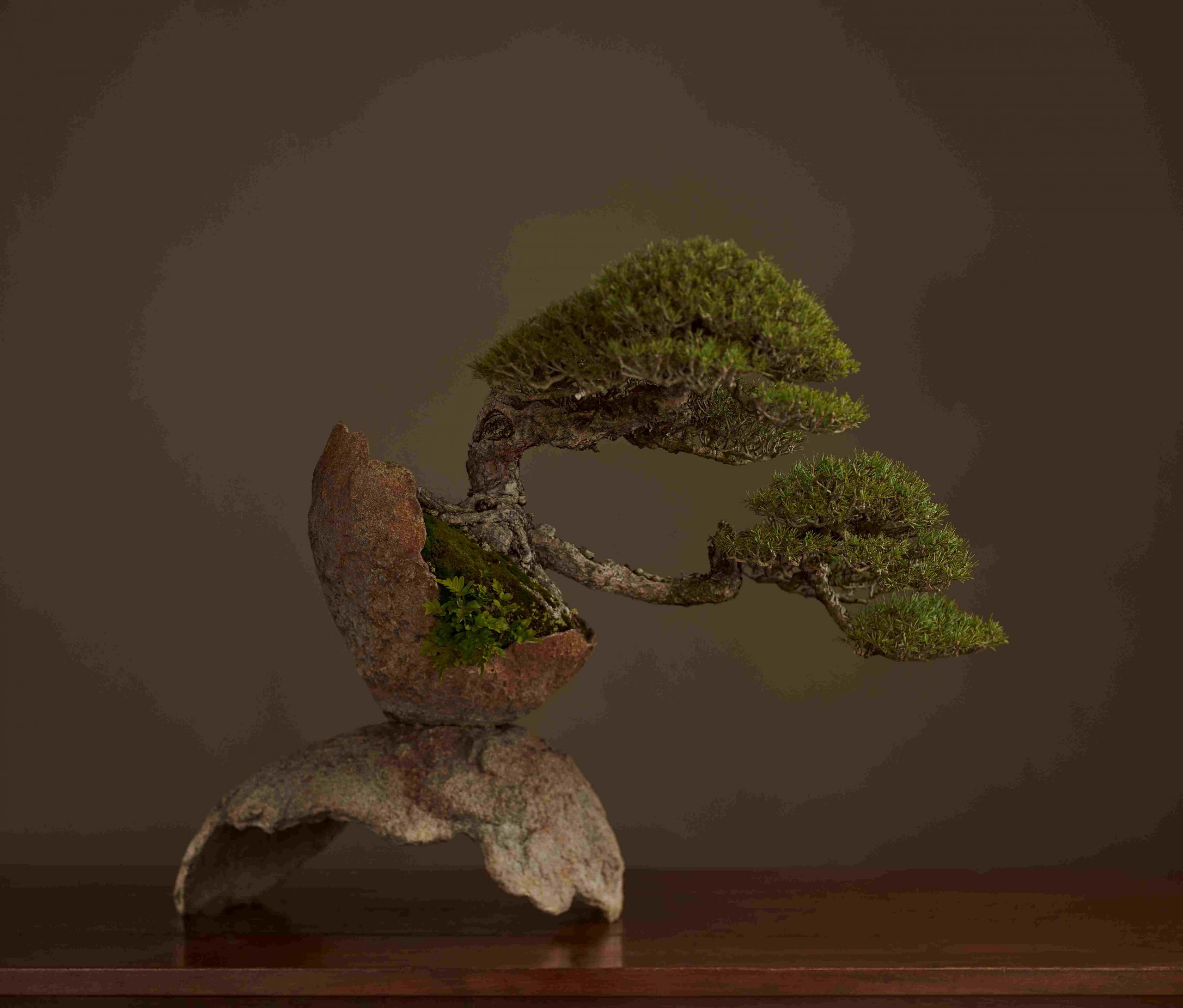
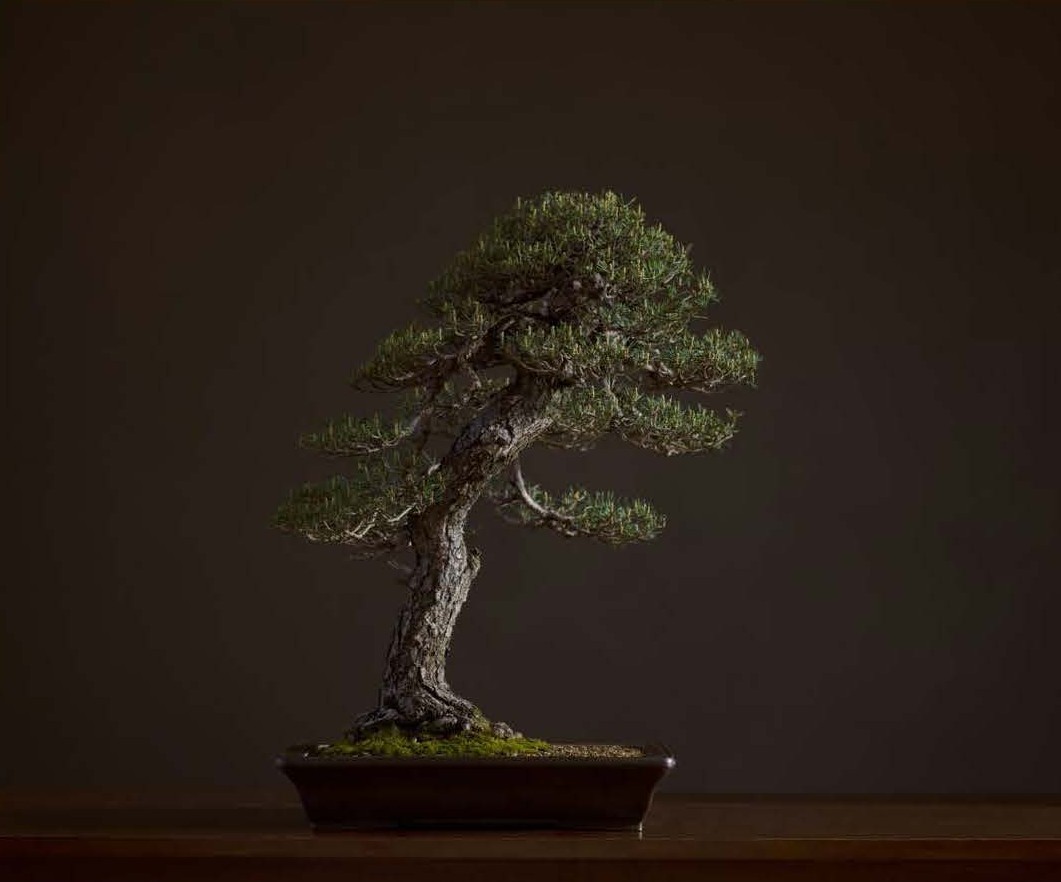
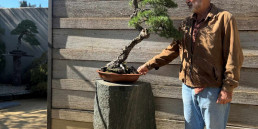
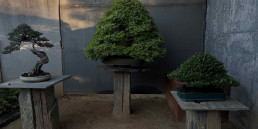
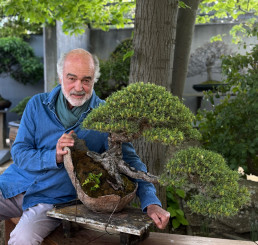
El pino albar es un superviviente, símbolo de regeneración. Es capaz de vivir en lugares poco propicios. En suelos rocosos donde las raíces de otros árboles no pueden profundizar, el pino crece alto y poderoso. Es un economista sabio; en condiciones adversas reduce el crecimiento y prioriza la supervivencia.
Y es que tiene una impresionante capacidad de adaptación, cambia su forma si está en un valle, una pradera, un bosque o solo en las grandes alturas.
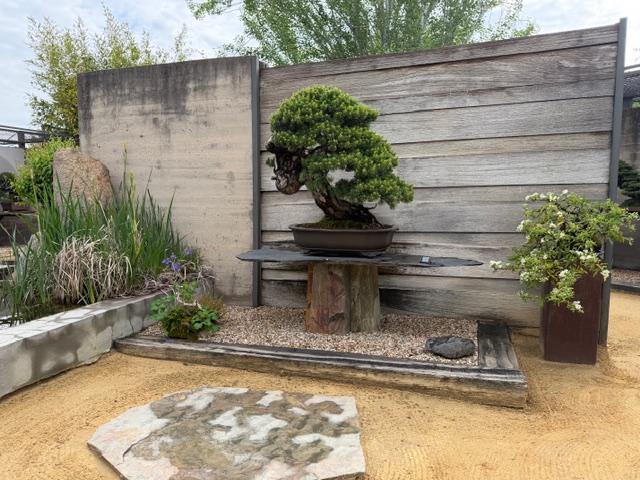
Eso es lo que reflejan los pinos albares de la colección, eso es lo que cuentan. Como todo bonsái y como cada uno de nosotros, cuentan una historia. El que ha vivido feliz sin muchos problemas, el que ha sobrevivido a grandes adversidades, el que vive acompañado compartiéndolo todo o el que vive solo en las alturas…
Aquí los tenemos a todos.
The Scots pine is a survivor, a symbol of regeneration. It is capable of thriving in inhospitable places; on rocky ground where the roots of other trees cannot penetrate deeply, the Scots pine grows tall and mighty. It is a wise economiser; in adverse conditions, it slows its growth and prioritises survival.
It has an impressive ability to adapt, changing its shape depending on whether it is in a valley, a meadow, a forest or alone at high altitudes. That is what the Scots pines in the collection reflect; that is what they tell us. Like every bonsai and like each one of us, they tell a story. The one that has lived happily and without major problems, the one that has survived great adversity, the one that lives in company, sharing everything, or the one that lives alone in the heights…
Here we have it all
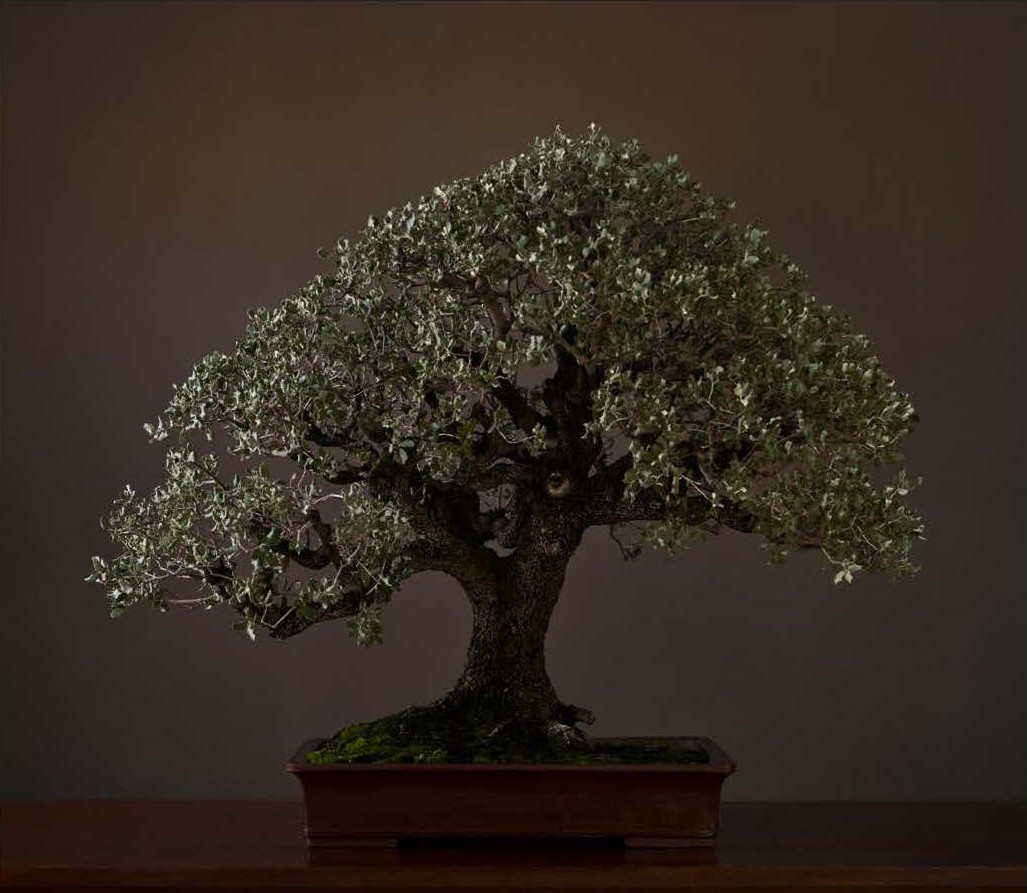
Tres Quercus y una dehesa.
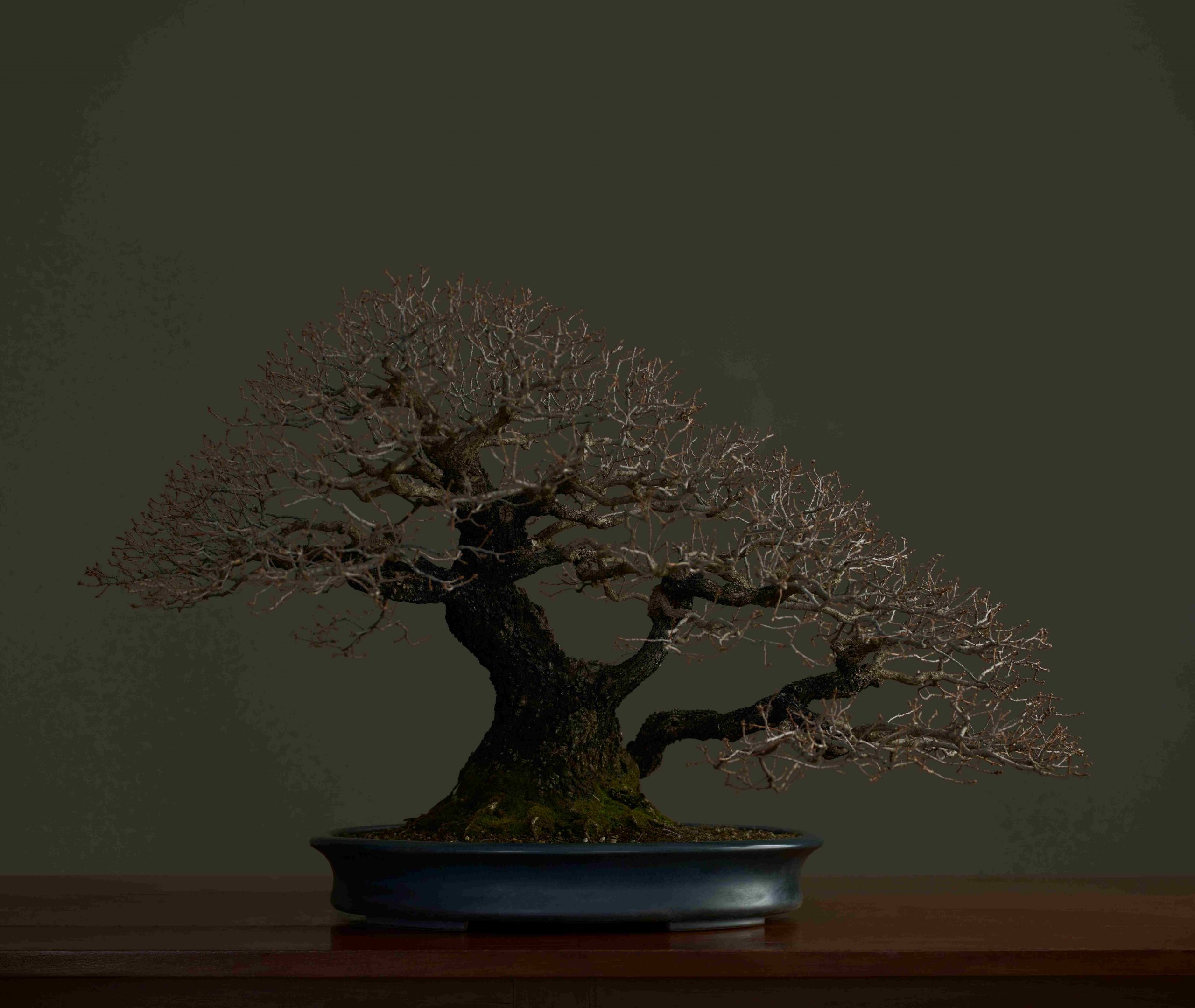
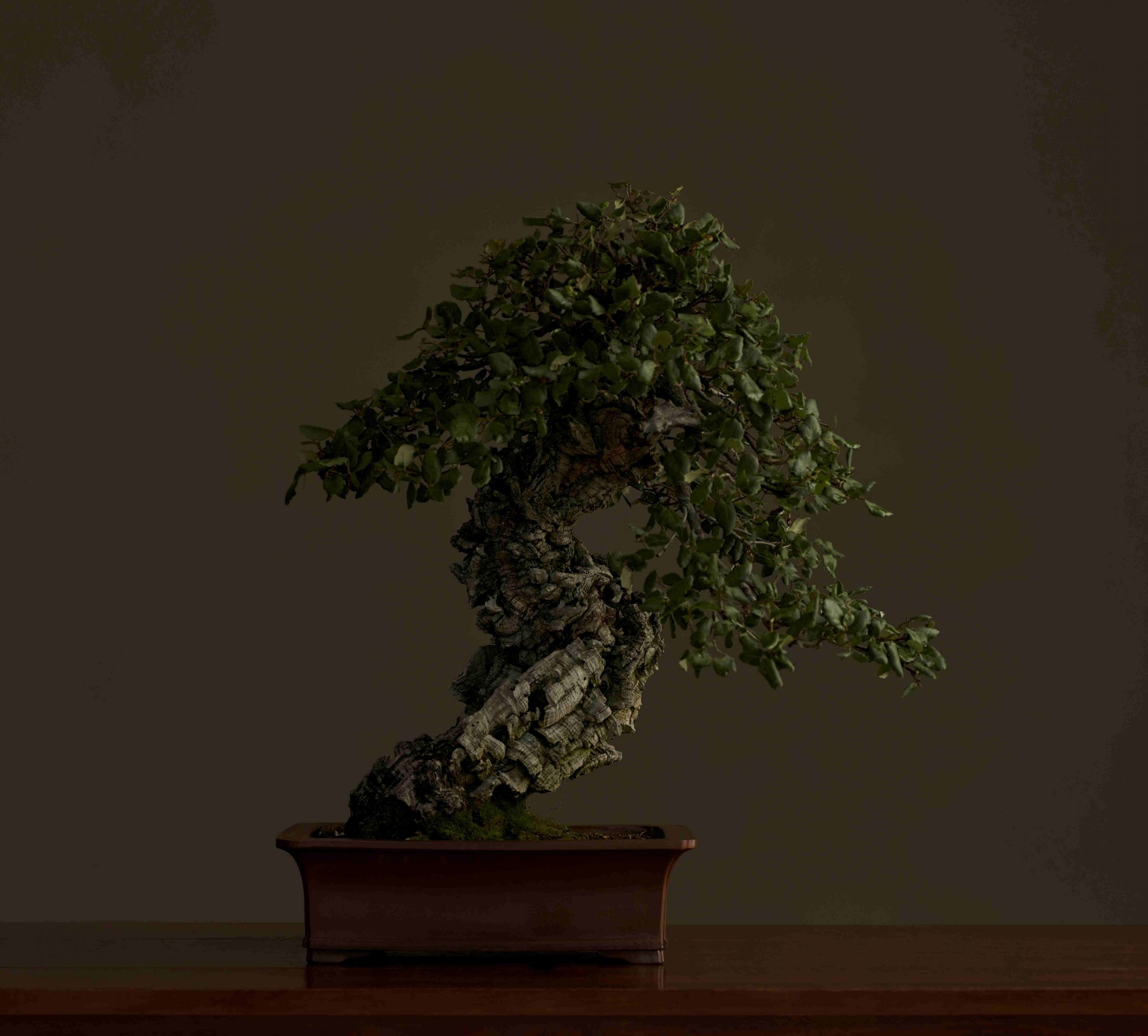
En el jardín, junto a la colección de árboles japoneses, se expone la colección de árboles autóctonos, ejemplos de flora mediterránea.
Este arte parte del profundo conocimiento de la naturaleza, del estudio del paisaje y sus árboles para así ser capaz de evocarlos en el bonsái. Los pinos albares, sabinas, olivos, encinas y alcornoques de la colección, son fruto de viajes recorriendo la geografía española, estudiándola y apreciándola.
Hoy como emblema de flora ibérica traemos a los tres quercus de la colección; Quercus ilex, Quercus faginea y Quercus suber. Hablar de los tres, es hablar de la dehesa española, un modelo único de interacción entre el hombre y el medio. Dehesa viene del latín “deffesa” o defensa… un sistema que crea sinergias interesantísimas entre agricultura, ganadería, medio ambiente y paisaje. Se crean estos pedazos aclarados de bosque mediterraneo, en los que prevalecen los árboles más interesantes, las herbáceas silvestres y se elimina gran parte del matorral. Son cortafuegos naturales de gran valor ecológico y social.
Son un mundo, un paisaje.
Millones de hectáreas de patrimonio cultural.
In the garden, alongside the collection of Japanese trees, you can see the collection of native trees, examples of Mediterranean flora.
This art stems from a deep understanding of nature and the study of the landscape and its trees, in order to be able to evoke them in bonsai. The Scots pines, junipers, olive trees, holm oaks and cork oaks in the collection are the result of journeys across Spain, studying and appreciating the country’s geography.
Today, as emblems of Iberian flora, we present the three Quercus species in the collection: Quercus ilex, Quercus faginea and Quercus suber. To speak of these three is to speak of the Spanish dehesa, a unique model of interaction between humans and the environment. The word ‘dehesa’ derives from the Latin ‘deffesa’, meaning ‘defence’… is a system that creates fascinating synergies between agriculture, livestock farming, the environment and the landscape. These patches of thinned Mediterranean woodland are created, where the most interesting trees and wild herbaceous plants prevail and much of the scrub is removed. They are natural firebreaks of great ecological and social value.
They are a world, a landscape.
Millions of hectares of cultural heritage.
Semana Santa púrpura otra vez/ Purple Easter again.
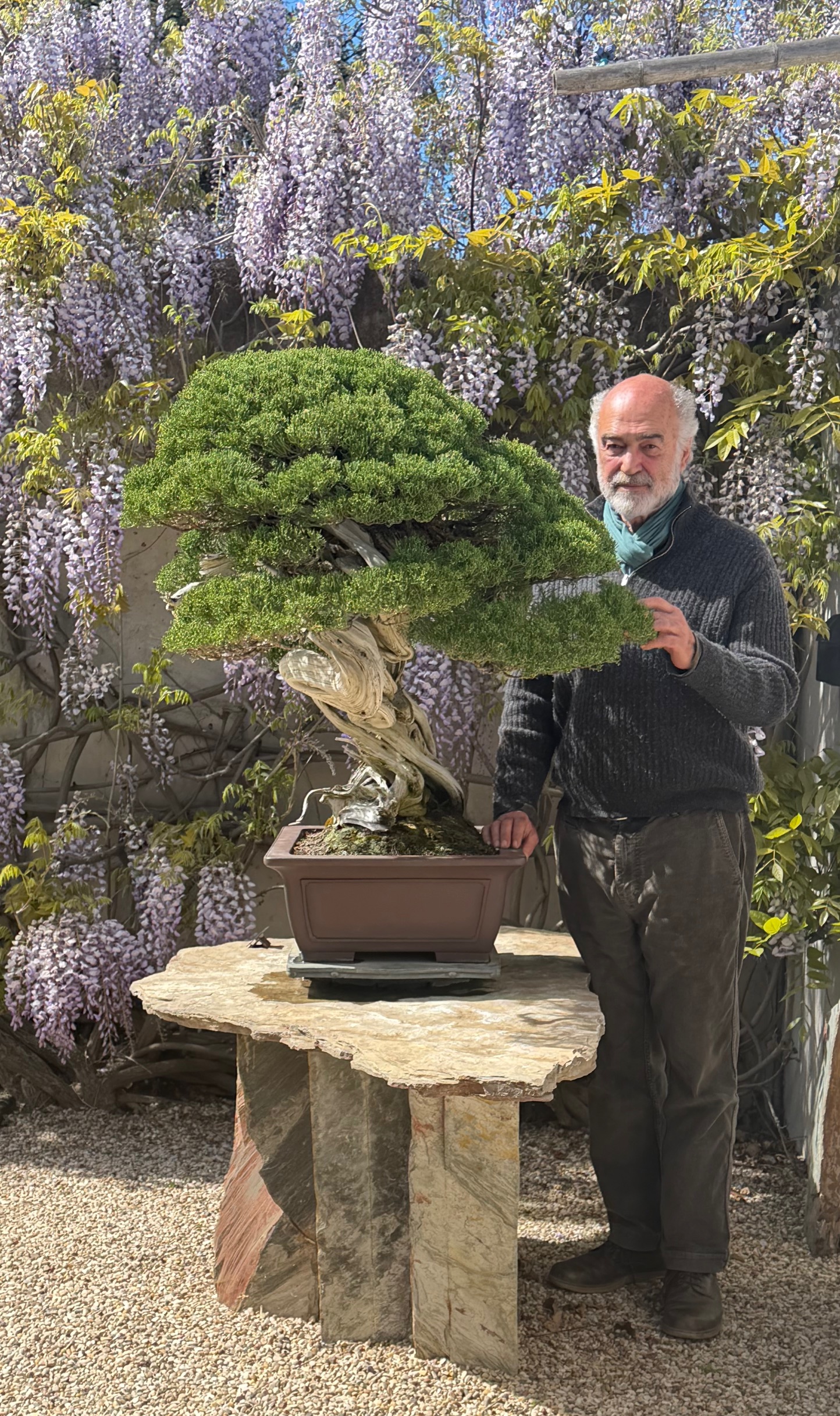

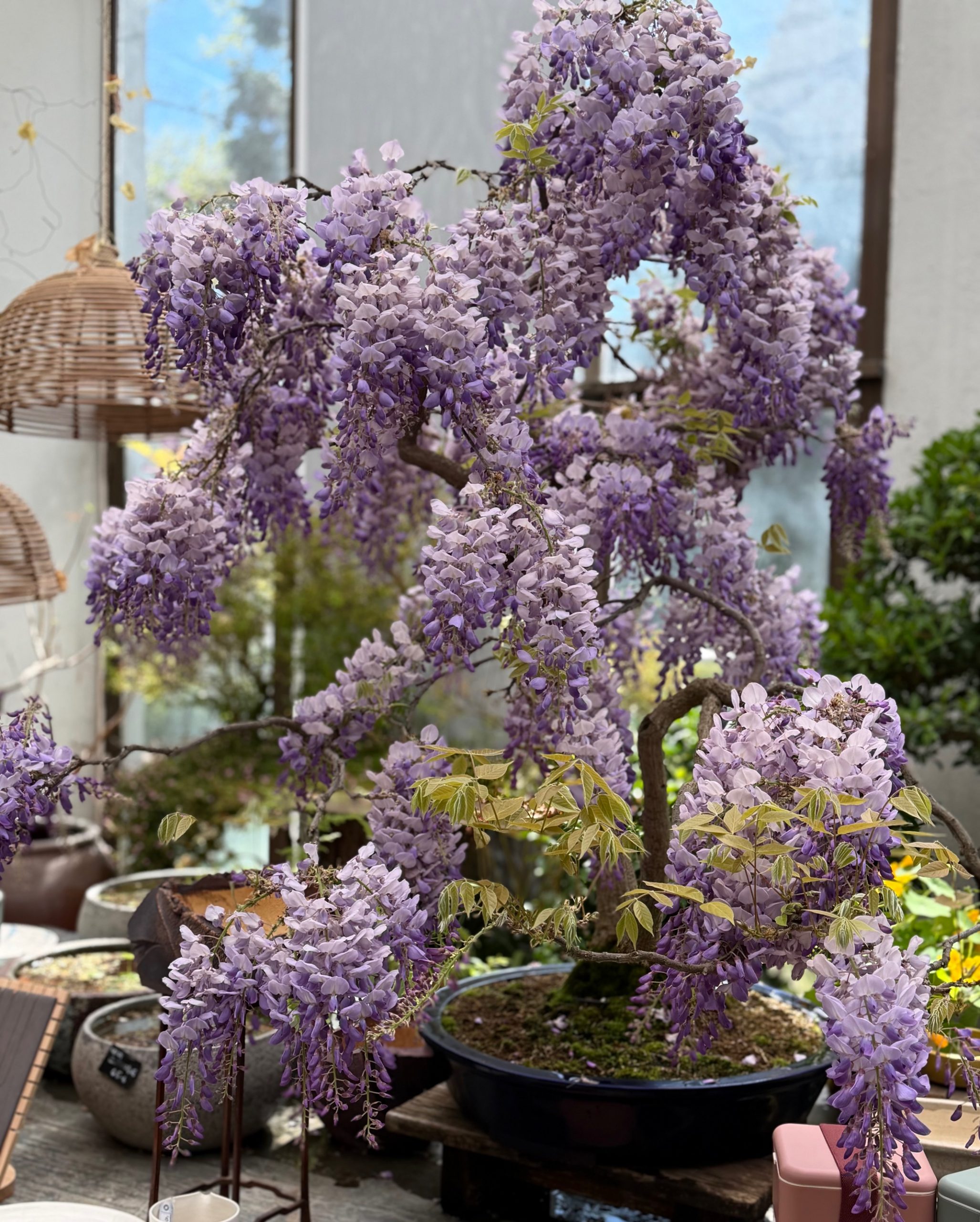
La primera foto es de ayer y la segunda es del año pasado. Releo lo que escribí hace un año para Semana Santa. El año pasado cayó a final de abril y este año con casi un mes de diferencia todo está igual, la glicinia en flor (¿cómo sabe que tiene que florecer ahora?) el tiempo cambiante y el ambiente tranquilo.
La Semana Santa coincide siempre con el cambio de estación, días ventosos, grises, soleados, fríos, calurosos…un poco de todo
Tiempo de glicinias, en Japón se conocen como Fuji, la flor que engalanaba el escudo de armas familiar del clan Fujiwara y que simboliza la humildad y la reflexión…
Y es tiempo de reflexión, año tras año ocurre lo mismo, uno de esos momentos en los que todos paramos al mismo tiempo y miramos hacia donde ir.
Igual este año escogemos bien.
The first photo is from yesterday and the second is from last year. I’m re-reading what I wrote a year ago for Easter. Last year it fell at the end of April, and this year, with almost a month’s difference, everything is the same: the wisteria in bloom (how does it know it has to bloom now?), the changeable weather and the peaceful atmosphere.
Easter always coincides with the change of season: windy, grey, sunny, cold, hot days… a bit of everything.
It’s wisteria season; in Japan they’re known as Fuji, as it was the flower that adorned the Fujiwara clan’s family coat of arms, and its blossom symbolises humility and reflection…
And it is a time for reflection; year after year the same thing happens, one of those moments when we all pause at the same time and look to see where we are going.
Perhaps this year we will make the right choice.