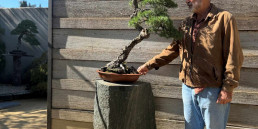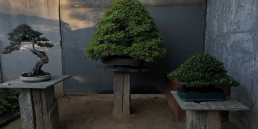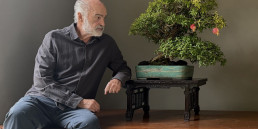
Hemos hecho obra en el taller. Poca cosa; ampliar la puerta (ya no cabían algunos árboles) cambiar algunos muebles, ordenar, pintar… de repente ha cambiado la luz y me ha hecho pensar en la importancia de la belleza cotidiana y lo mucho que nos influye.
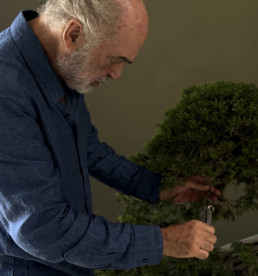
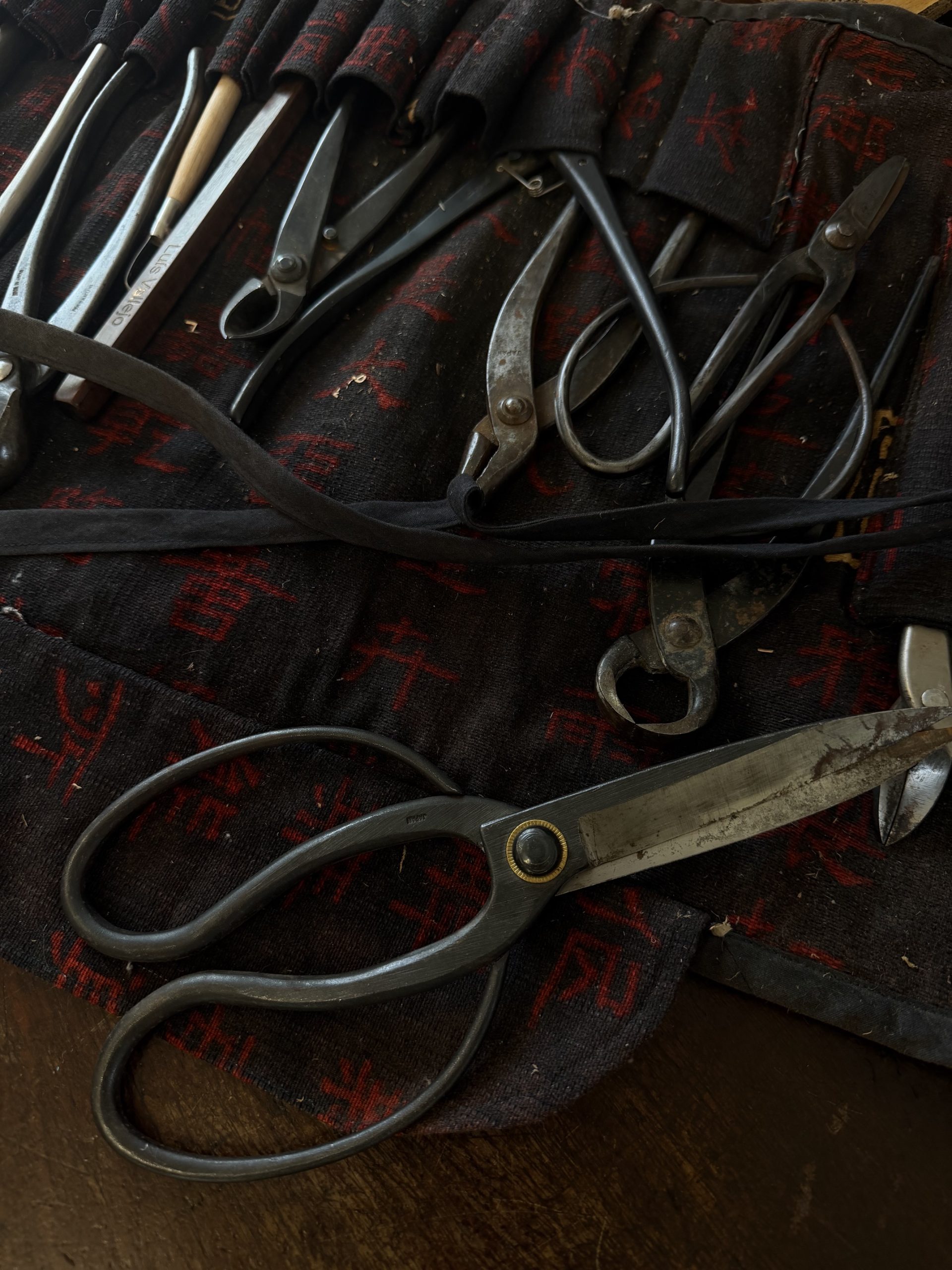
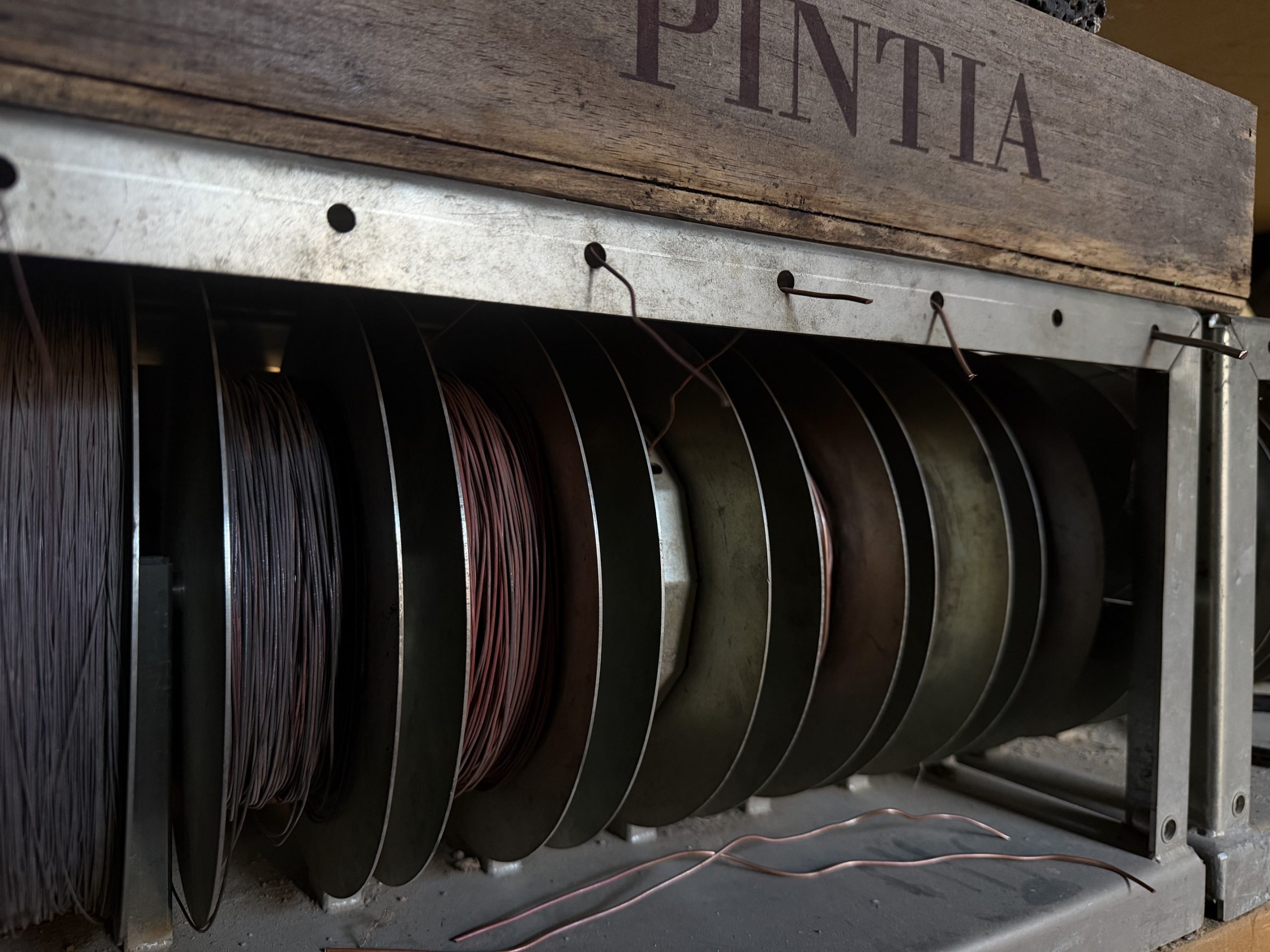
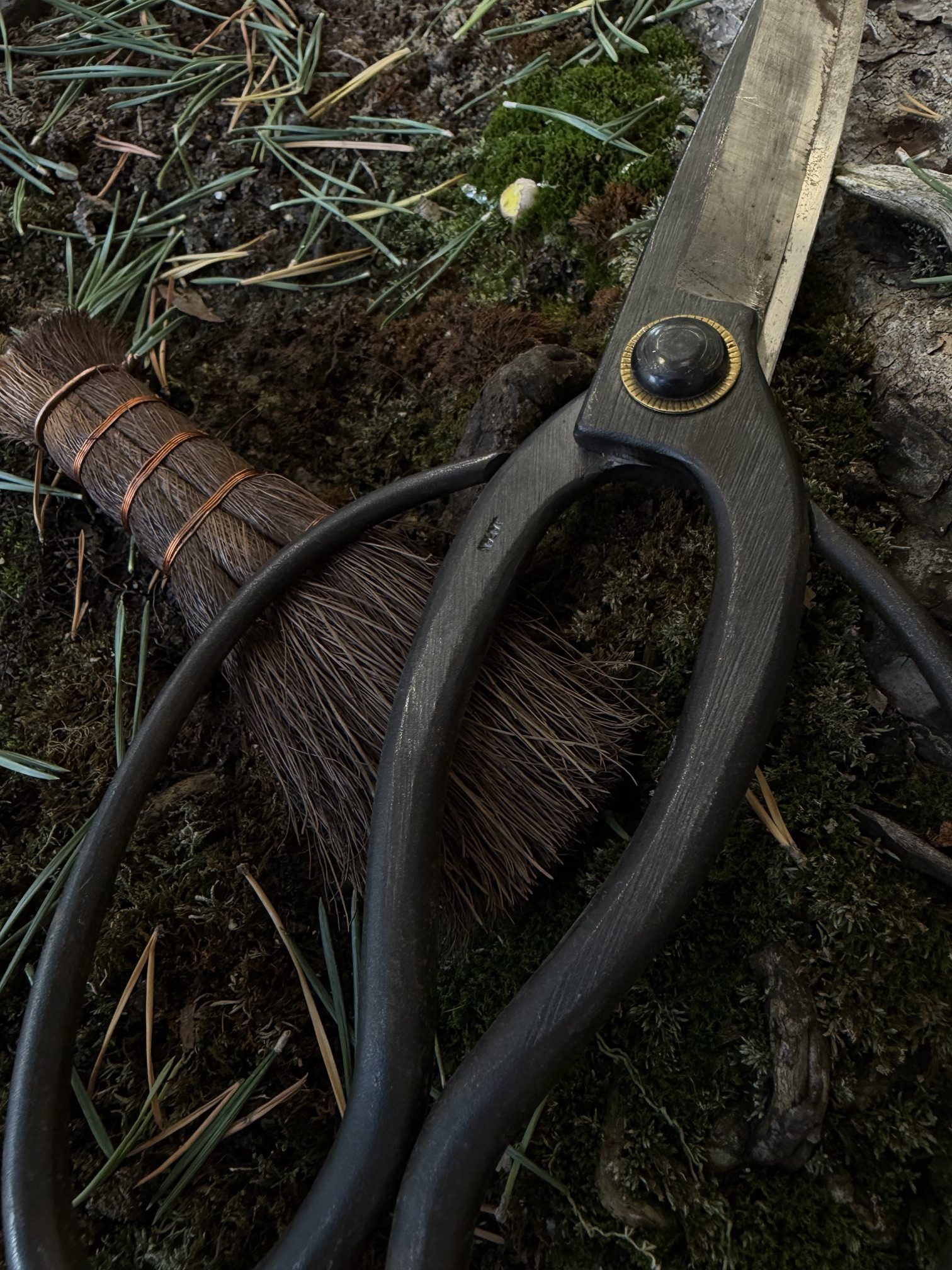
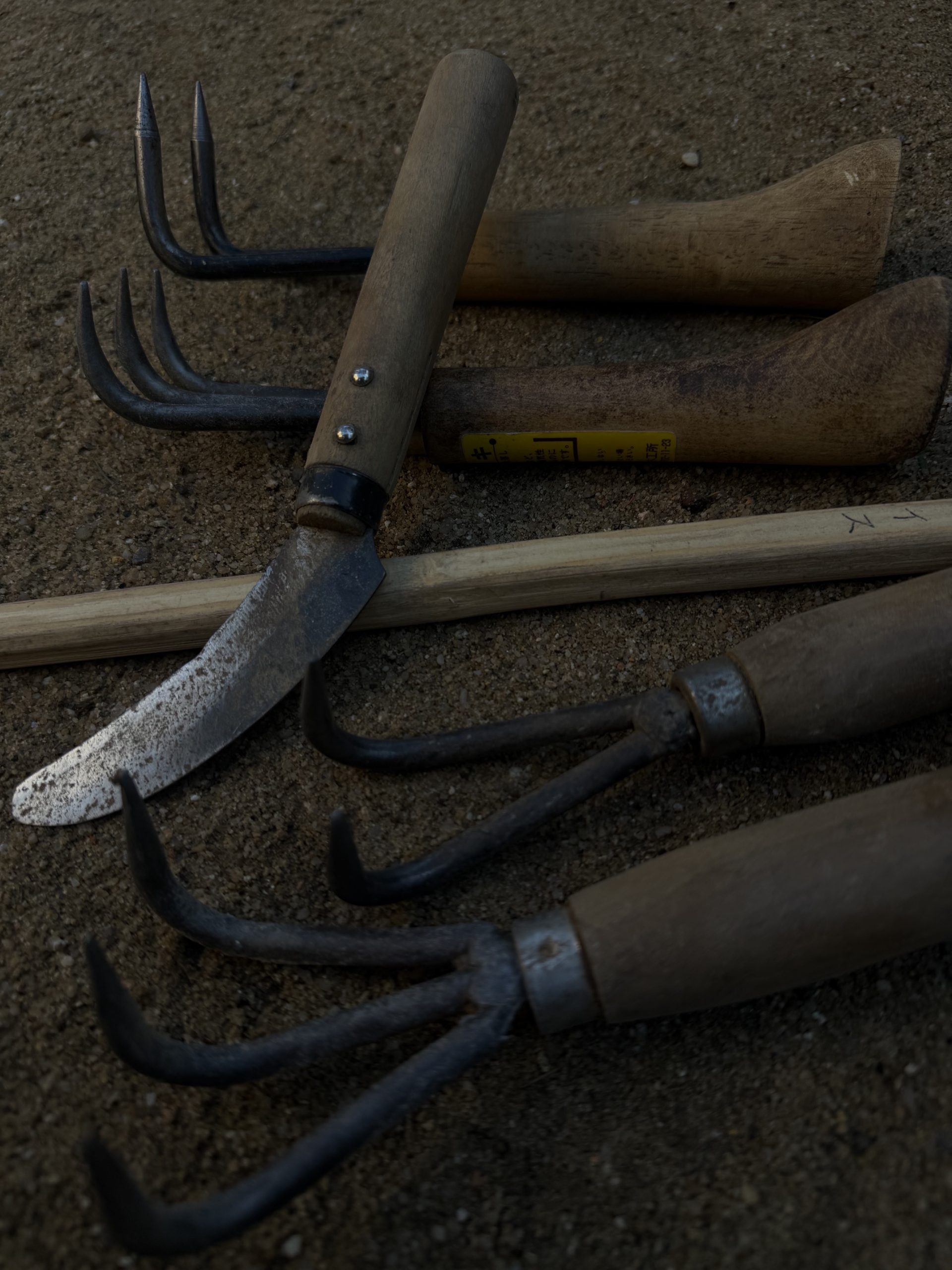
A medio camino entre el arte y la artesanía, vivimos rodeados de materiales y herramientas muy estéticas, las de bonsái tienen una belleza especial, fueron adaptadas de otros oficios por la necesidad de que fueran pequeñas. Una de las marcas míticas, (Masakuni) surgió de adaptar el instrumental de dentistas y cirujanos.
Nuestras herramientas no tienen adornos innecesarios, cada curva y cada ángulo responden a una necesidad, la forma sigue a la función, sus materiales son nobles, están pensadas con honestidad y ahí radica su belleza.
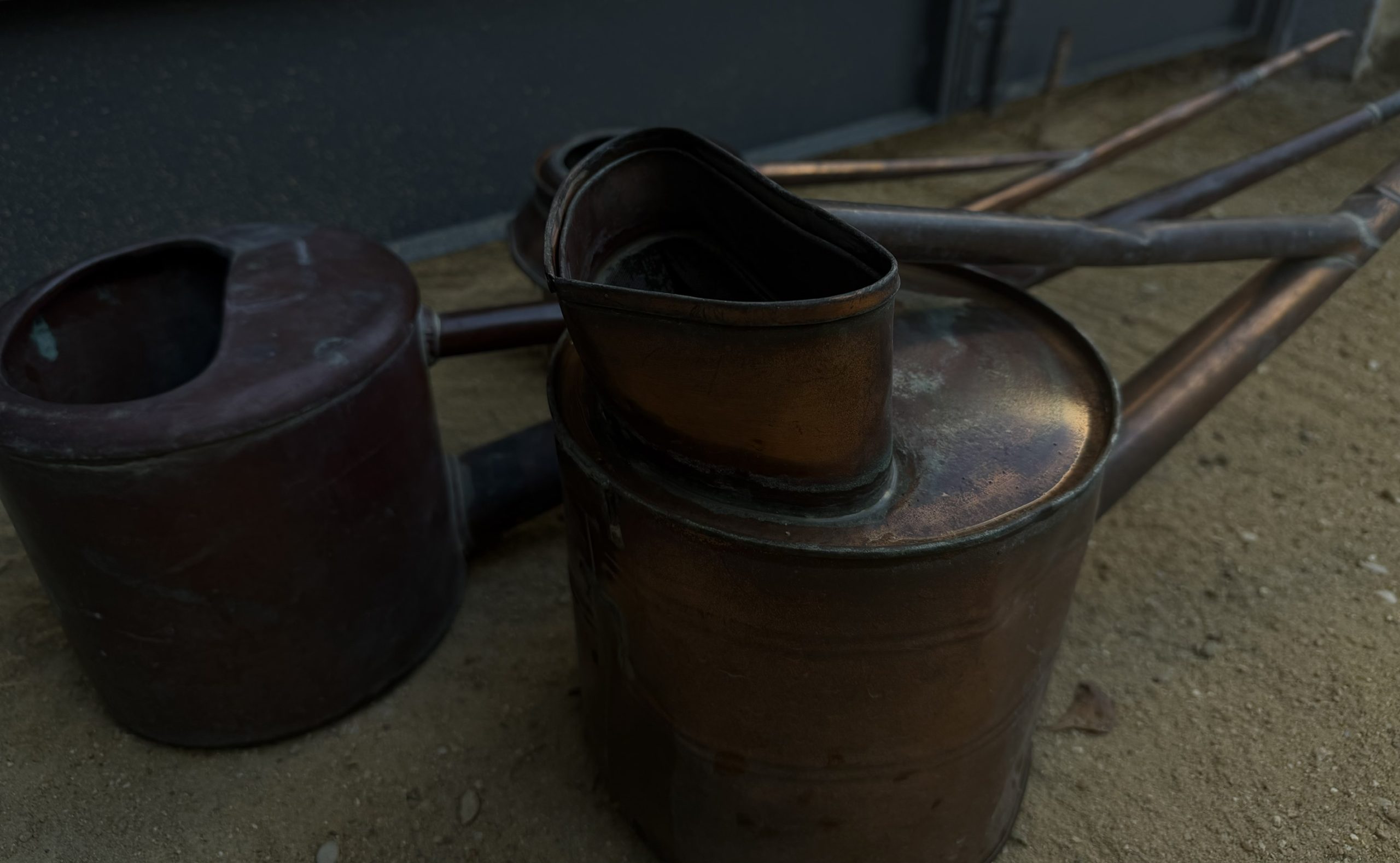
Son como dice Soetsu Yanagi en “La belleza del objeto cotidiano” los mingei; esos objetos cotidianos que usamos a diario y que acompañan silenciosa y humildemente nuestras vidas.
We’ve been doing renovations in the workshop. Nothing major; widening the door (some trees no longer fit through), moving some furniture around, tidying up, painting… Suddenly, the light has changed and it’s made me think about the importance of everyday beauty and just how much it influences us.
Halfway between art and craftsmanship, we live surrounded by highly aesthetic materials and tools; those used in bonsai have a special beauty, having been adapted from other trades due to the need for them to be small. One of the legendary brands, Masakuni, emerged from adapting the instruments used by dentists and surgeons.
Our tools have no unnecessary adornments; every curve and every angle serves a purpose – form follows function. They are made from fine materials and designed with integrity and therein lies their beauty.
As Soetsu Yanagi says in *The Beauty of Everyday Objects*, they are *mingei*: those everyday objects we use daily, which silently and humbly accompany our lives.