umeboshi
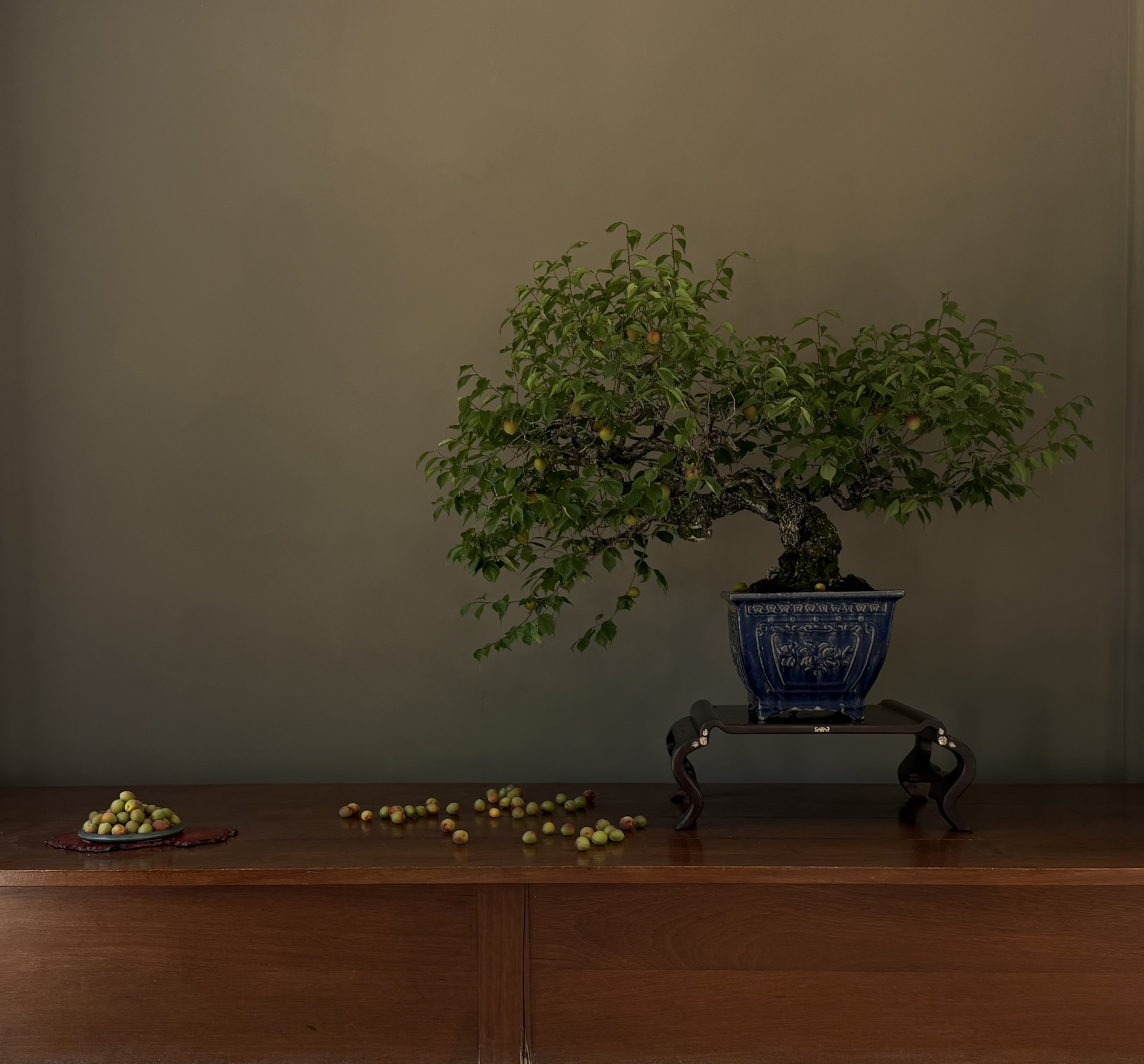
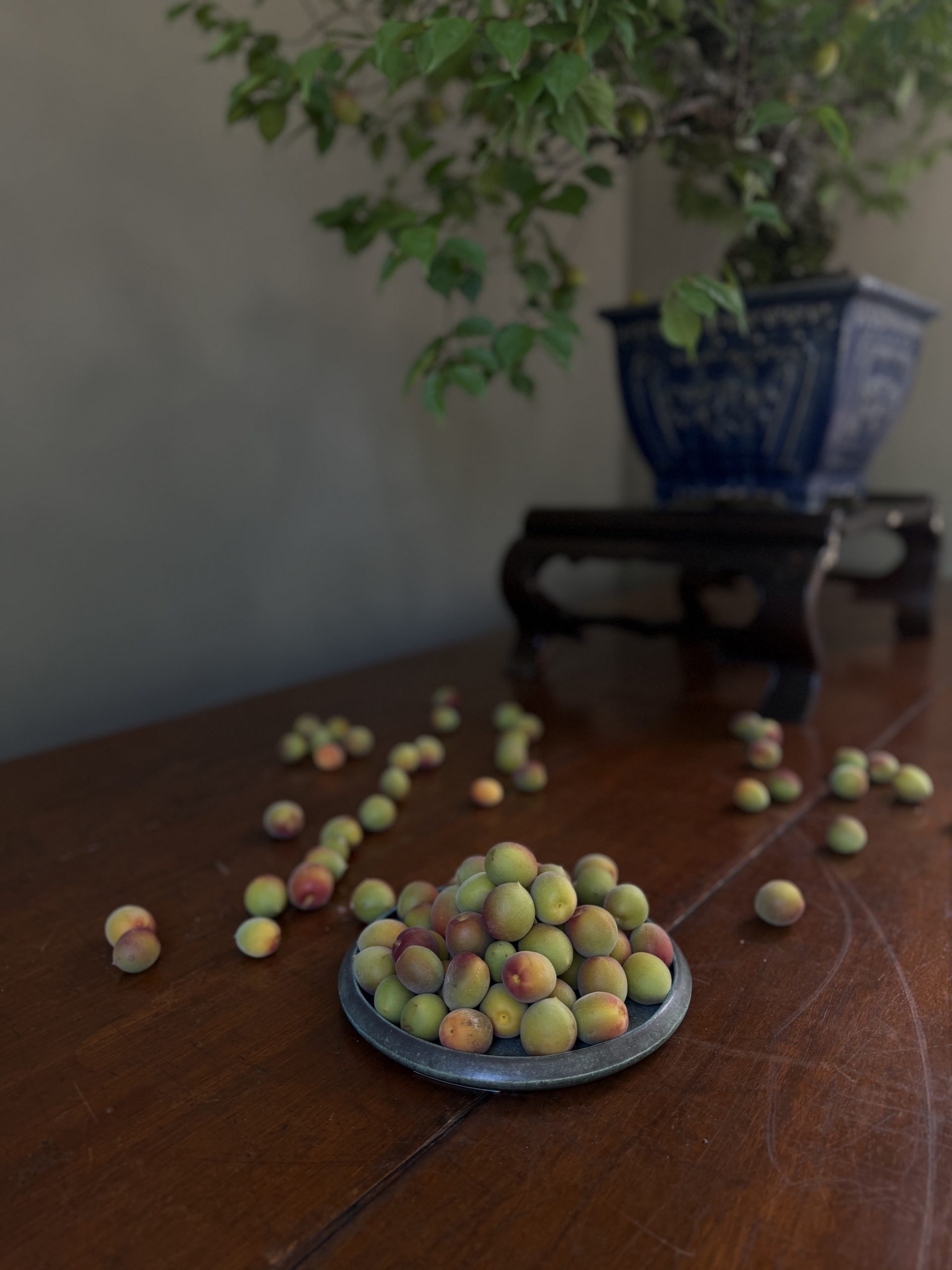
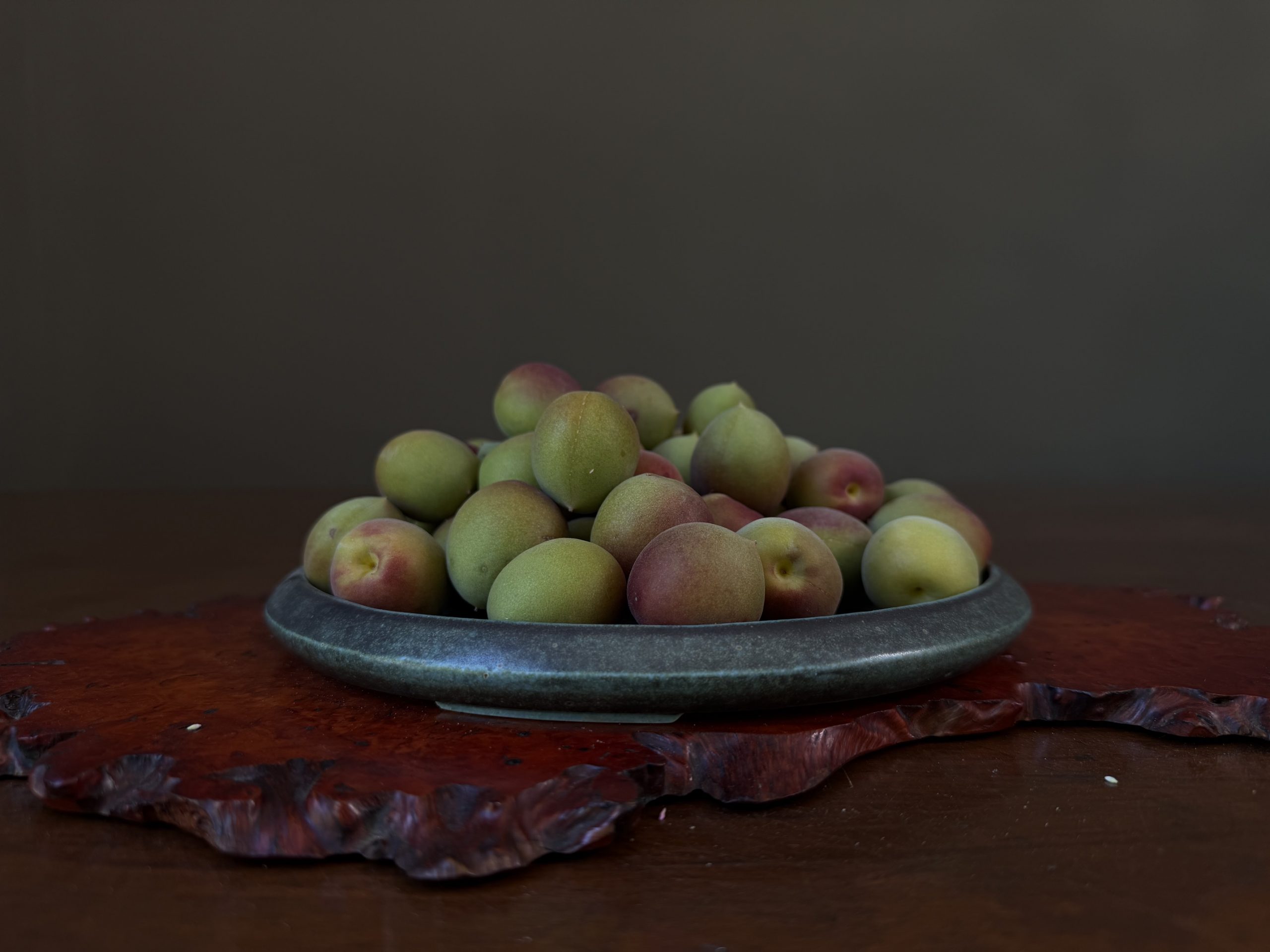
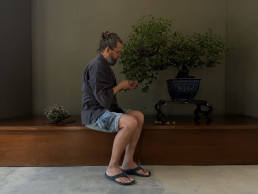
Este año vamos a hacer umeboshi. En el tokonoma Mario, el ume y toda su producción.
A Mario le encantan estos proyectos, es una de esas personas con curiosidad infinita, tiene muchos intereses; es capaz de construir cualquier cosa, arreglar maquinas, inventar la manera de que el agua de nuestro estanque esté limpia por fin, es capaz de cultivar lotos, criar kois y emocionarse con cualquier maravilla de la naturaleza.
Sabe de bonsái y sabe mucho y como todos los buenos en esto, sabe por su profundo amor y conocimiento de la naturaleza. Uno de sus recuerdos de infancia es un proyecto de reforestación con el colegio. Plantaron un pinar que todavía está en algún lugar de Polonia y al que vuelve cuando va de visita.
Mario llegó al jardín en 2008, directo de Japón. Durante todos estos años, su trabajo ha sido fundamental en la consolidación de esta colección.
La colección no sería lo que es sin Mario y no sé cómo sería Mario sin la colección, pero sea cual sea el futuro de los dos, ya están unidos para siempre.
This year we’re going to make umeboshi. In the tokonoma, Mario, the ume and all its production.
Mario loves these projects; he’s one of those people with boundless curiosity and a wide range of interests. He can build anything, fix machines, come up with a way to finally keep the water in our pond clean, grow lotus flowers, breed koi, and get excited about any of nature’s wonders.
He knows about bonsai and knows a great deal, and like all the experts in this field, his knowledge stems from his deep love and understanding of nature. One of his childhood memories is a school reforestation project. They planted a pine forest that still stands somewhere in Poland, and to which he returns whenever he visits.
Mario arrived at the garden in 2008, straight from Japan. Over all these years, his work has been fundamental in building up this collection.
The collection wouldn’t be what it is without Mario, and I don’t know what Mario would be like without the collection, but whatever the future holds for the two of them, they are already bound together forever.

Zumaque
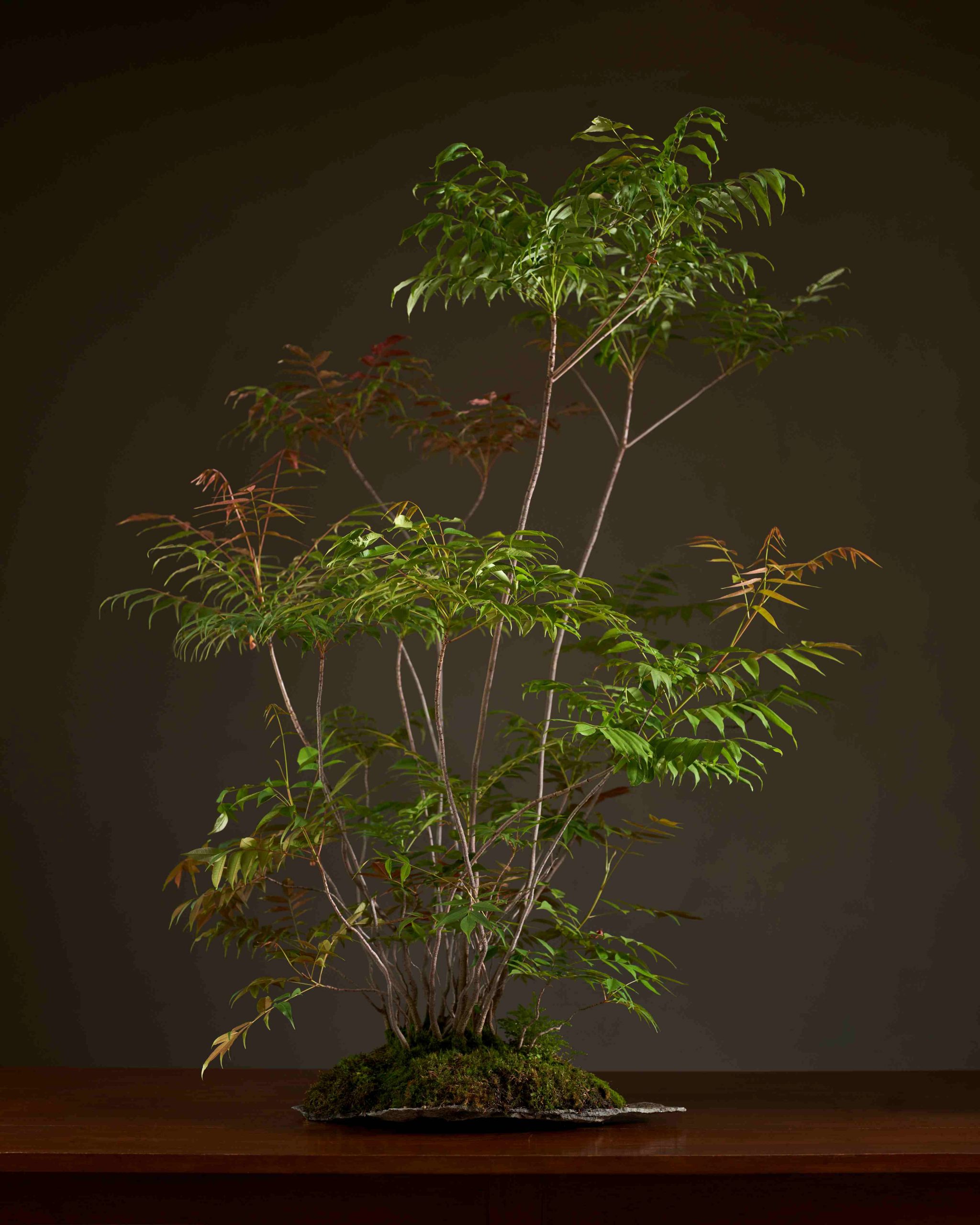
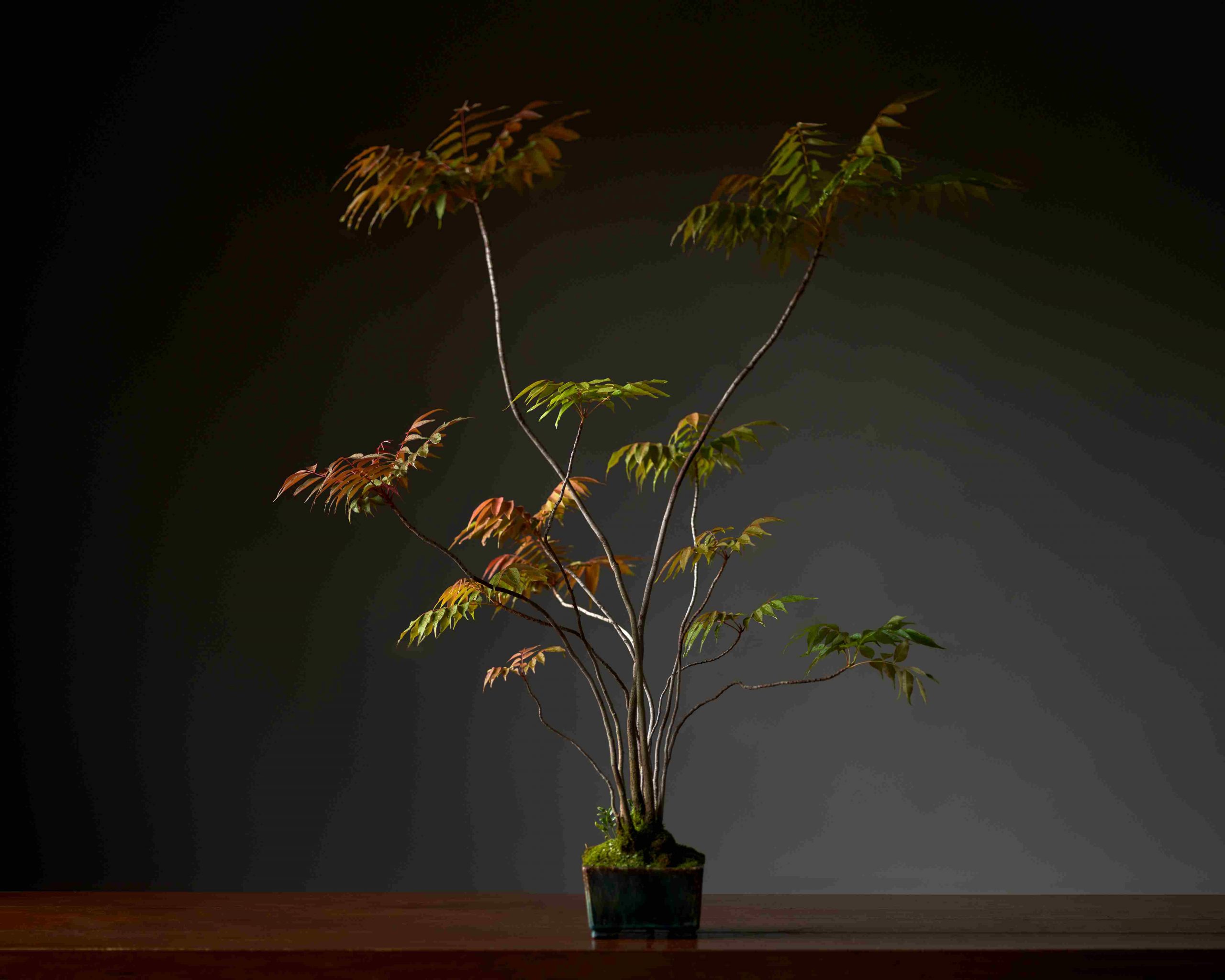
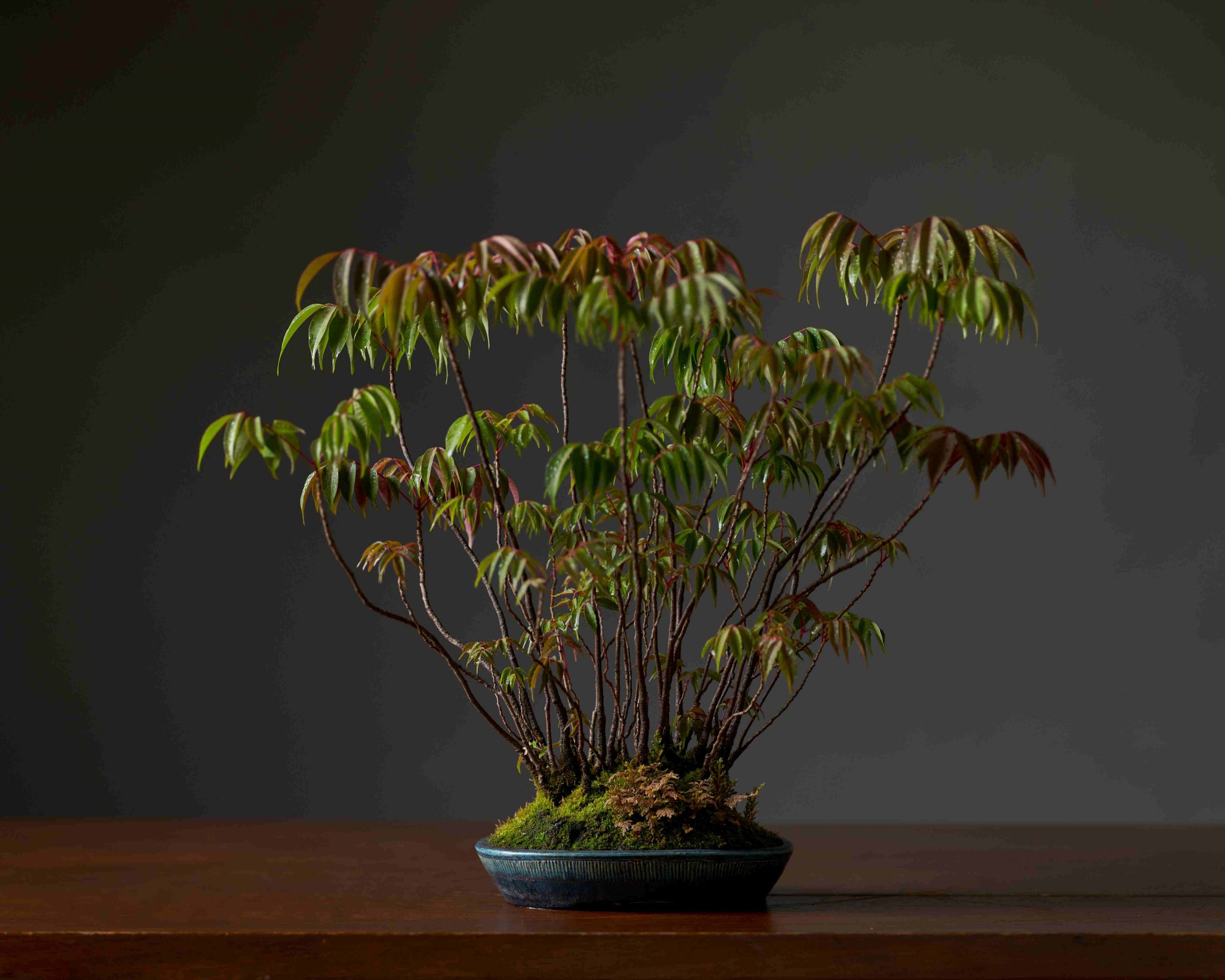
Nuestro rhus, el succedanea, viene de fuera. En España hay plantaciones abandonadas por algunos lugares del coriaria, que introdujeron los árabes. El zumaque, como se conoce aquí, se utilizaba para curtir las pieles por su gran cantidad de taninos. Sirve para teñir y se usa en gastronomía…es uno de los ingredientes del famoso za’atar libanés.
Aquí nos encanta, a él nosotros no le gustamos tanto…el nuestro, como buen Toxidondendrum nos deja con urticaria cada vez que puede.
Ahora en el jardín lo ponemos por todas partes. Los tenemos altos, altísimos, pequeños, en piedra, en composiciones de pocos árboles o bosques frondosos. El que lo ha visto en otoño recordará para siempre el color rojo que llegan a tener sus hojas, pero en primavera vuelve a ser el protagonista con sus brotes verde brillante.
Luis cuenta que el primero que llegó se lo regalaron a Carmen Romero en uno de los primeros viajes que hizo Felipe González a Japón, hablamos del año 84…aquel primer ejemplar se dividió, una parte está en la colección del Jardín botánico y la otra aquí. Los de las fotos son sus hijos, nietos y bisnietos.
Our Rhus, the succedanea variety, comes from abroad. In Spain, there are abandoned plantations of the coriaria variety in some places, which were introduced by the Arabs. The Zumaque, as it is known here, was used to tann leather due to its high tannin content. It is used for dyeing and in cooking… it is one of the ingredients in the famous Lebanese za’atar.
We love it here, but it doesn’t like us quite so much… ours, like any good Toxidondendrum, gives us a rash whenever it can.
Now it’s everywhere in the garden. We have tall ones, very tall ones, small ones, on stone, in small groups of trees or lush groves. Anyone who has seen it in autumn will always remember the red color its leaves turn, but in spring it takes centre stage once again with its bright green shoots.
Luis says that the first one was given to Carmen Romero on one of Felipe González’s early trips to Japan—we’re talking about 1984… that first specimen was divided; one part is in the Botanical Garden’s collection and the other is here. The ones in the photos are its children, grandchildren and great-grandchildren.
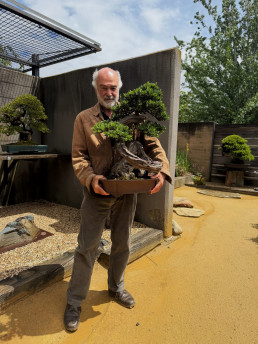
De olivos y acebuches
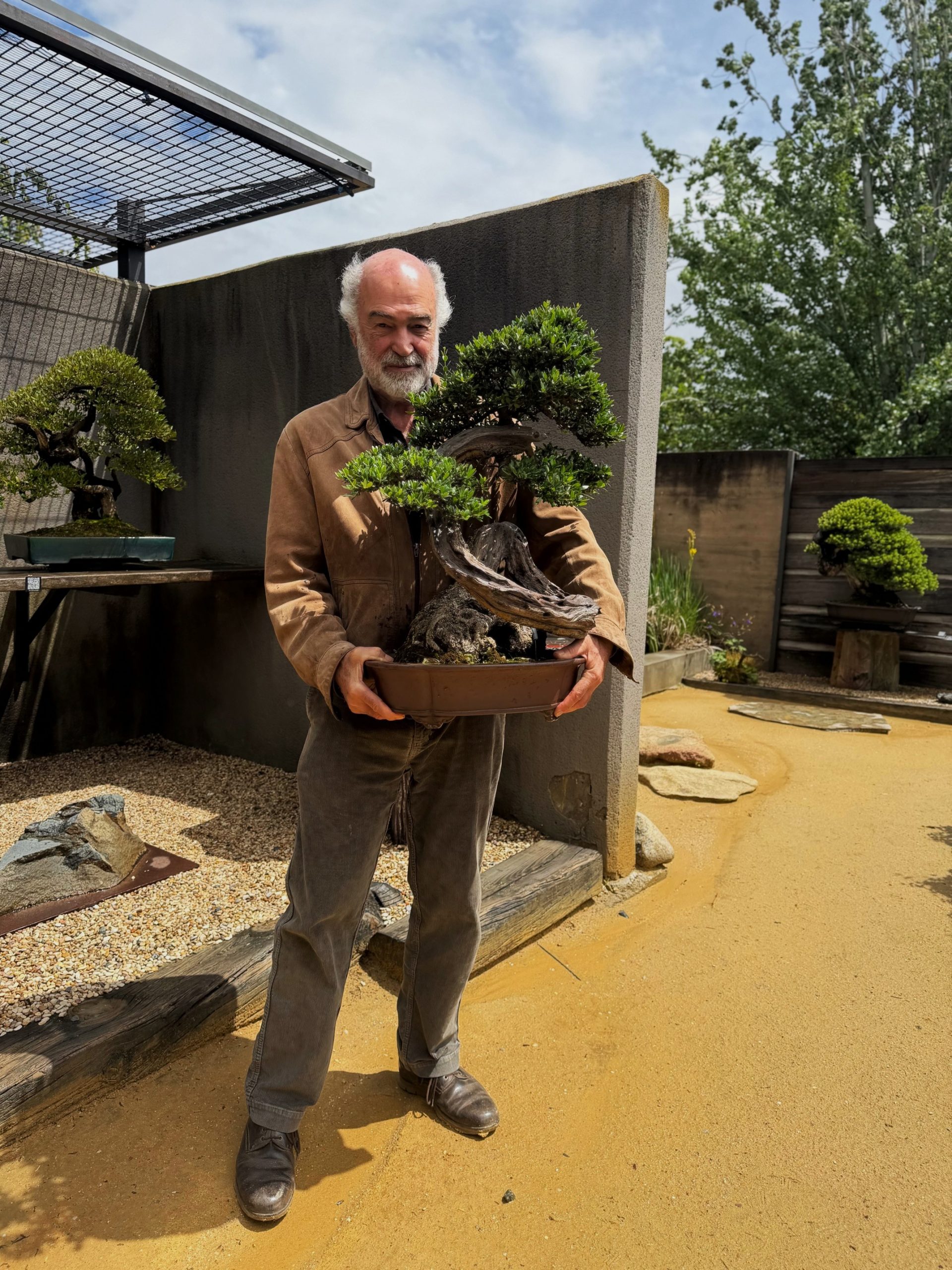
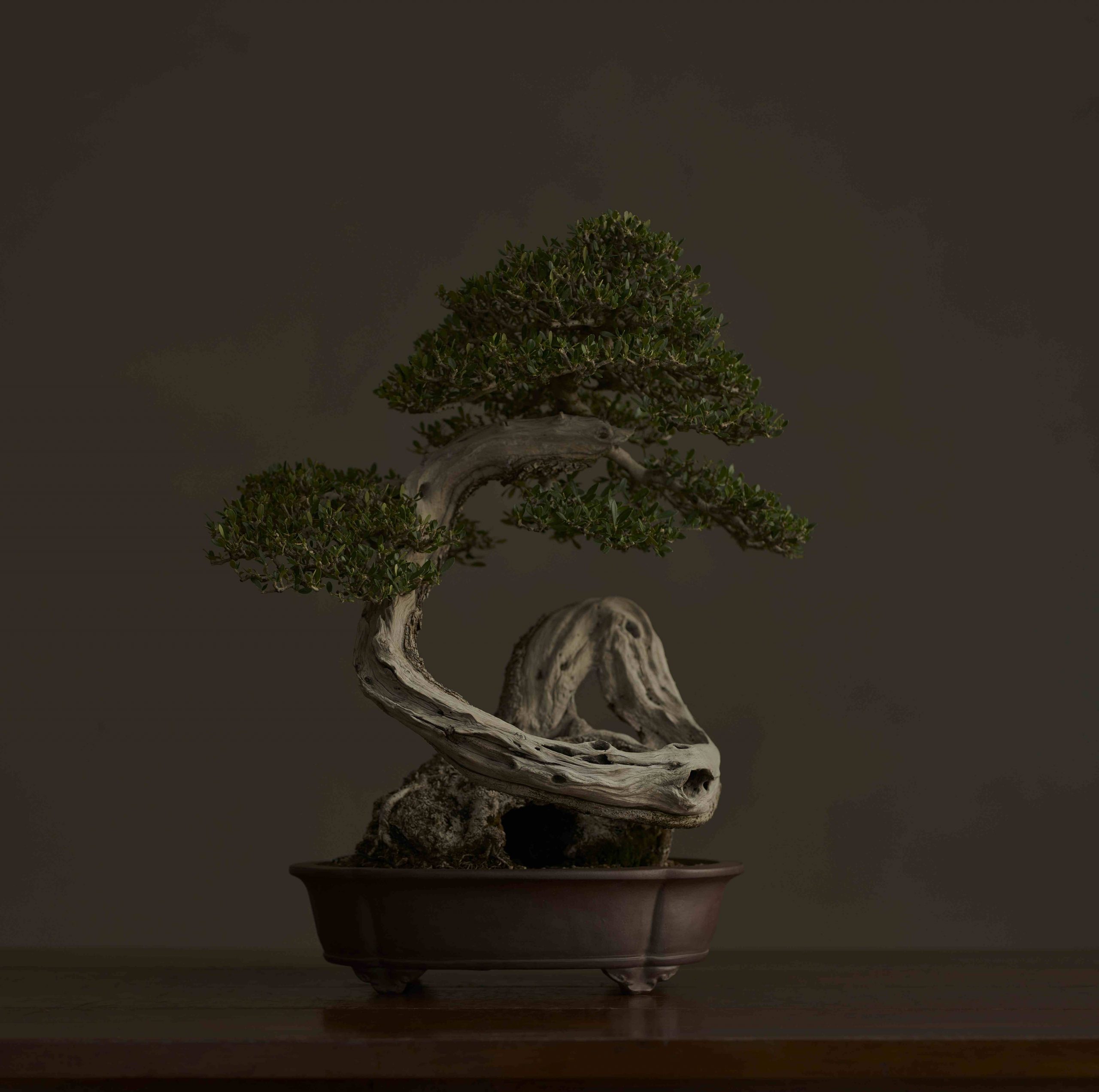
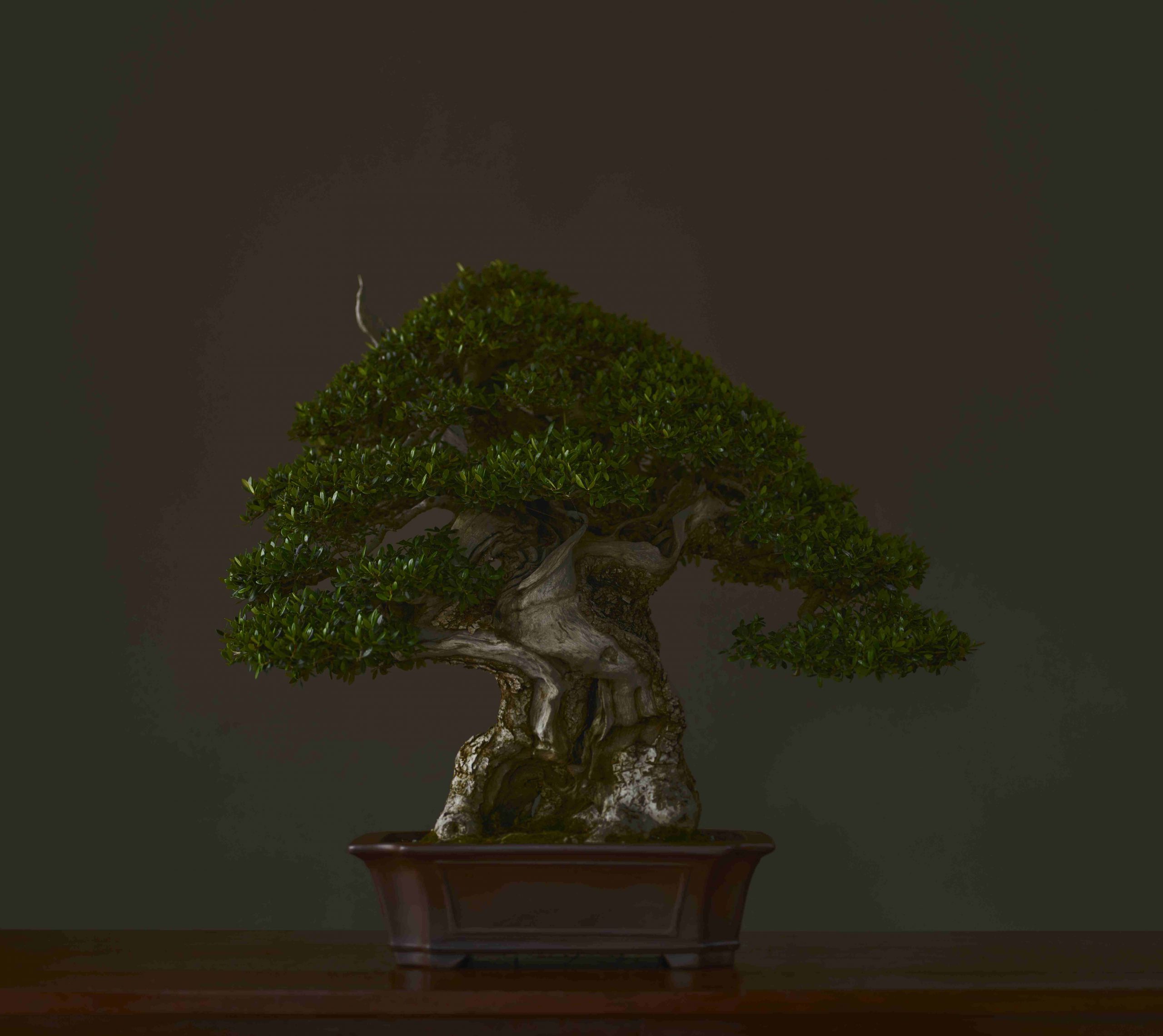
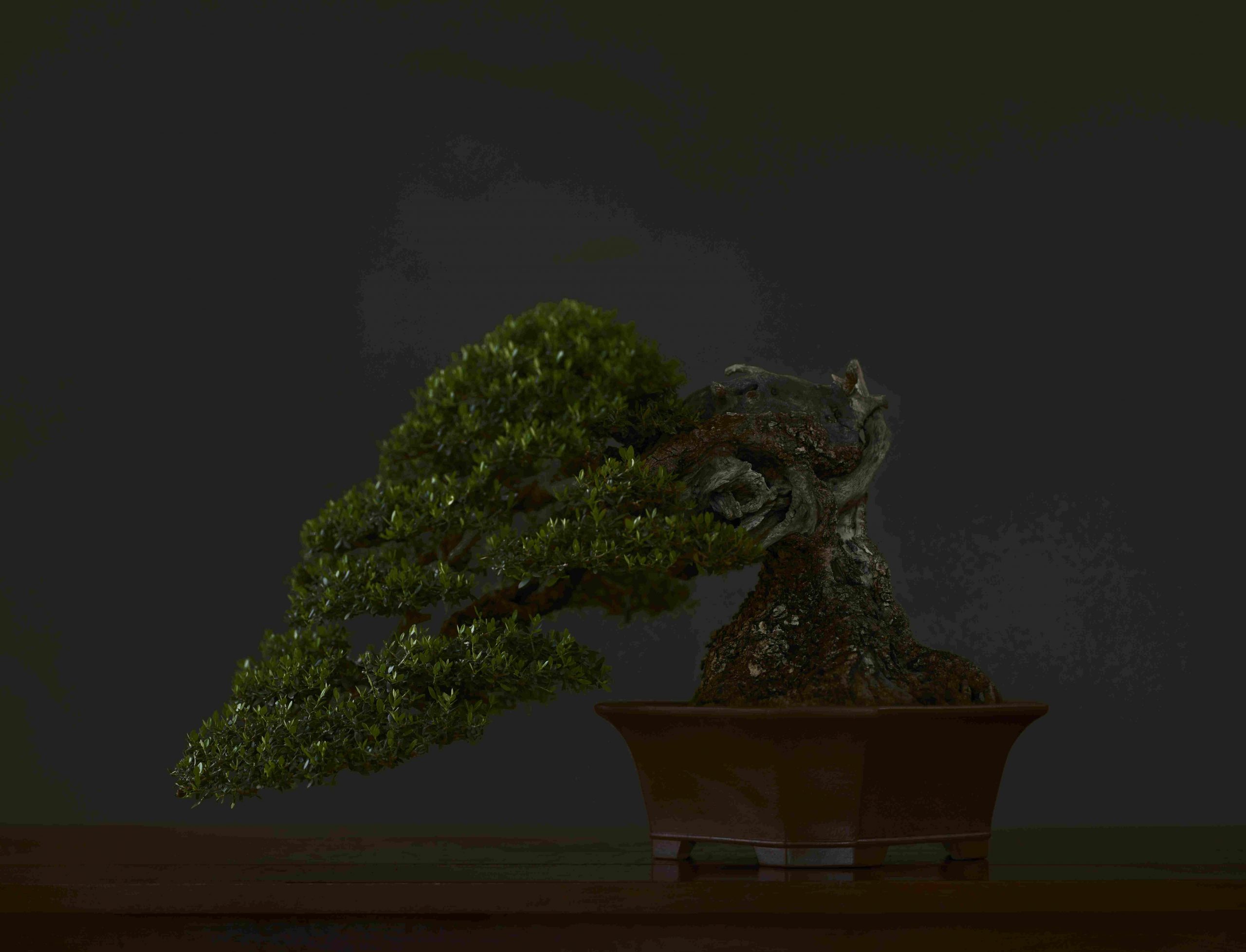
Acebuche, olivo silvestre, olivo bravo, olivera borda, olivastro, ullastre, zambujo…
En la colección tenemos acebuches, el padre dicen de todas las variedades de olivo. El acebuche tiene la hoja pequeña y la acebuchina más pequeña que la oliva, perfecto todo para nuestra escala.
El acebuche es pobre, salvaje y libre. Su destino está ligado al de su prole, cuando un olivar se abandona se dice que se está “acebuchando”. Un olivo asalvajado se vuelve acebuche..se vuelve a la naturaleza. Es tan determinada su genética que de las semillas de un olivo cultivado salen acebuches….
Pero olivos y acebuches ya venían mezclados desde la Odisea:
..”Debajo de dos aceitunas brotaron de la misma raíz
un olivo silvestre y otro de linaje de buena raza
tan densos que crecieron juntos para siempre, enre-
dados uno al lado del otro.”
Acebuche, wild olive, olivera borda, olivastro, ullastre, zambujo…
Our collection has acebuches, said to be the progenitor of all olive varieties. The wild olive tree has smaller leaves, and the acebuchina is also smaller than the olive, making them perfect for our scale.
The wild olive is humble, untamed and free. Its fate is linked to that of its offspring; when an olive grove is abandoned, it is said to be ‘acebuchando” (going wild). A cultivated olive tree that has run wild becomes a wild olive… it returns to nature. Its genetics are so determined that the seeds of a cultivated olive tree produce wild olives…
But olive trees and wild olive trees have been intertwined since the Odyssey:
..”Beneath two olives, sprout from the same root,
a wild olive tree and another of fine lineage
so tight that they grew together forever,
entwined side by side.”
Una reverencia en forma de hueco./ A bow in the shape of a hollow.
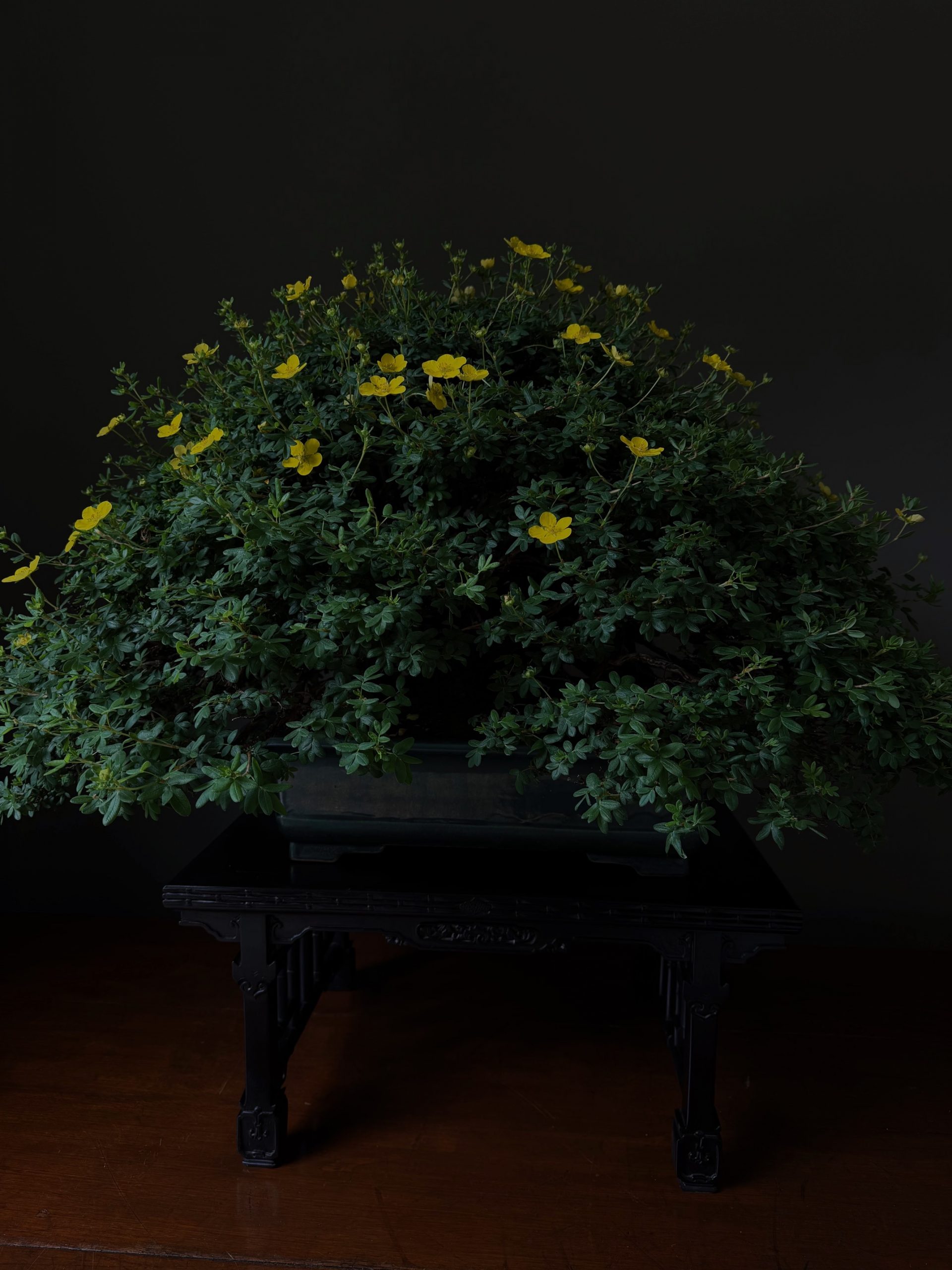
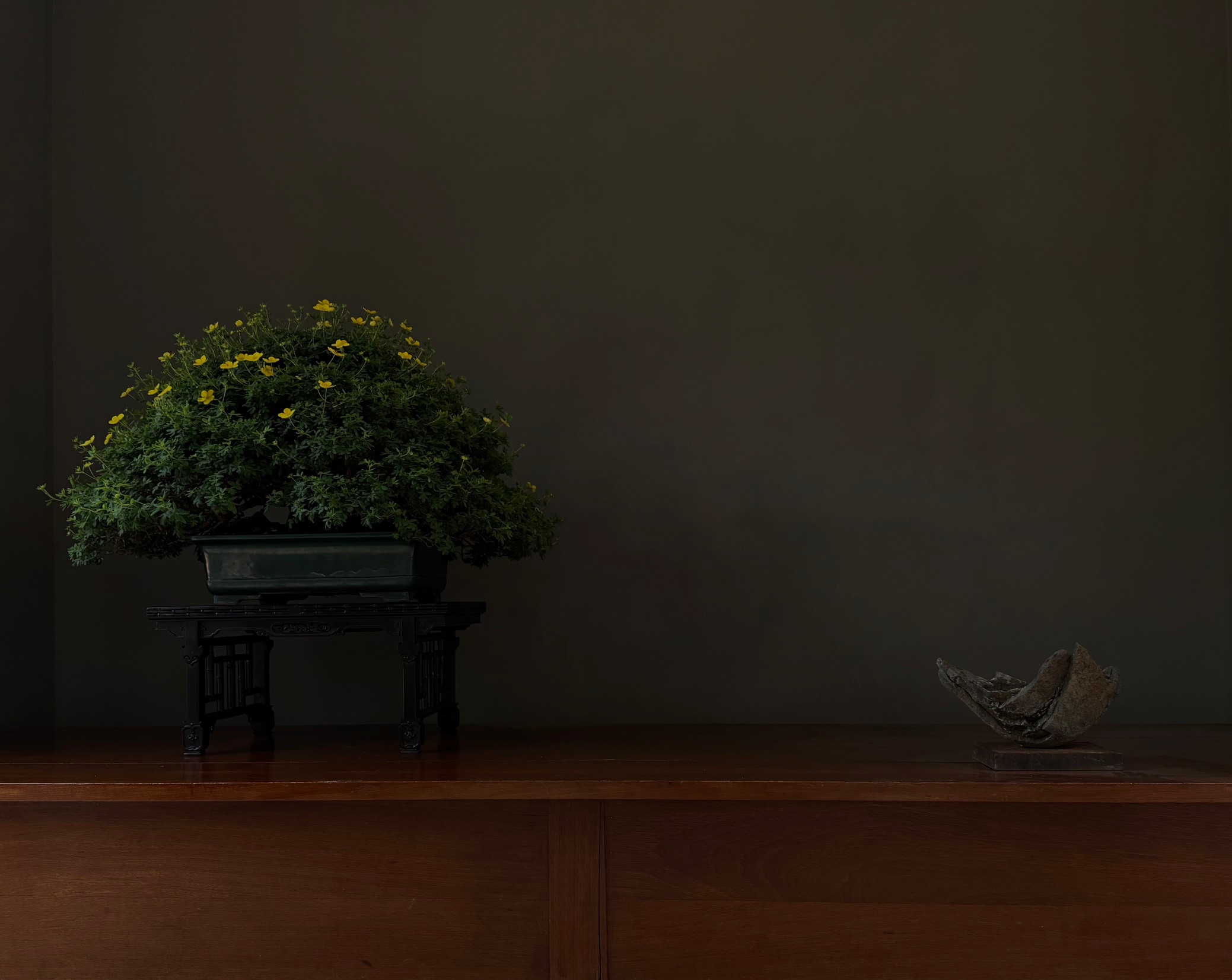
De este pequeño espacio salen casi todas nuestras historias.
Un tokonoma es una estancia sencilla, sin pretensiones y sin embargo en ella se concentra todo. Es un gesto de hospitalidad y una declaración de intenciones.
Cada elemento que lo compone tiene su espacio, para poder ver las partes, el conjunto y el vacío.
No sé de quien es la frase, pero de todas las que he leido sobre el sentido del tokonoma, ninguna lo describe como esta:
” Un tokonoma es una reverencia en forma de hueco”.
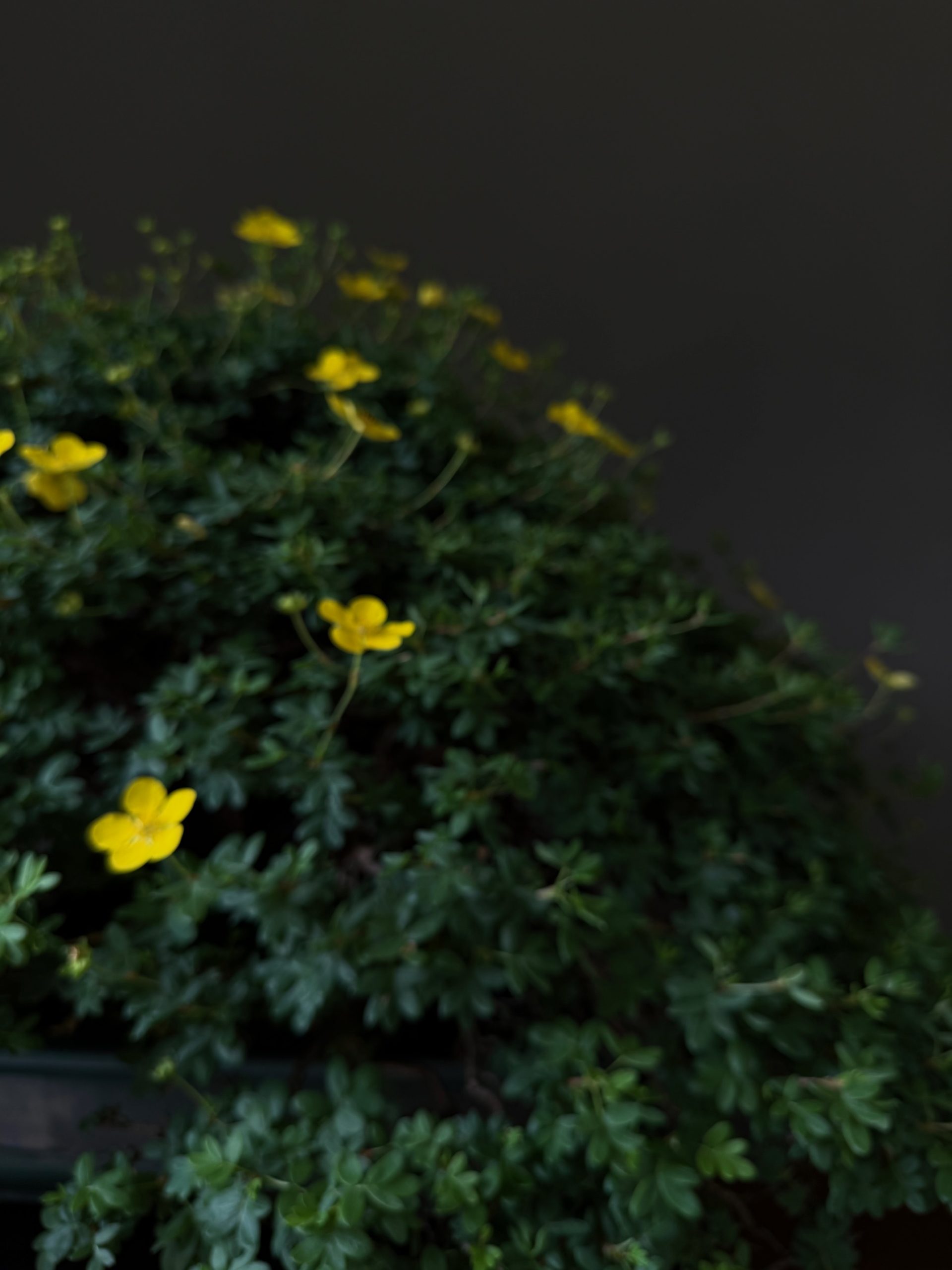
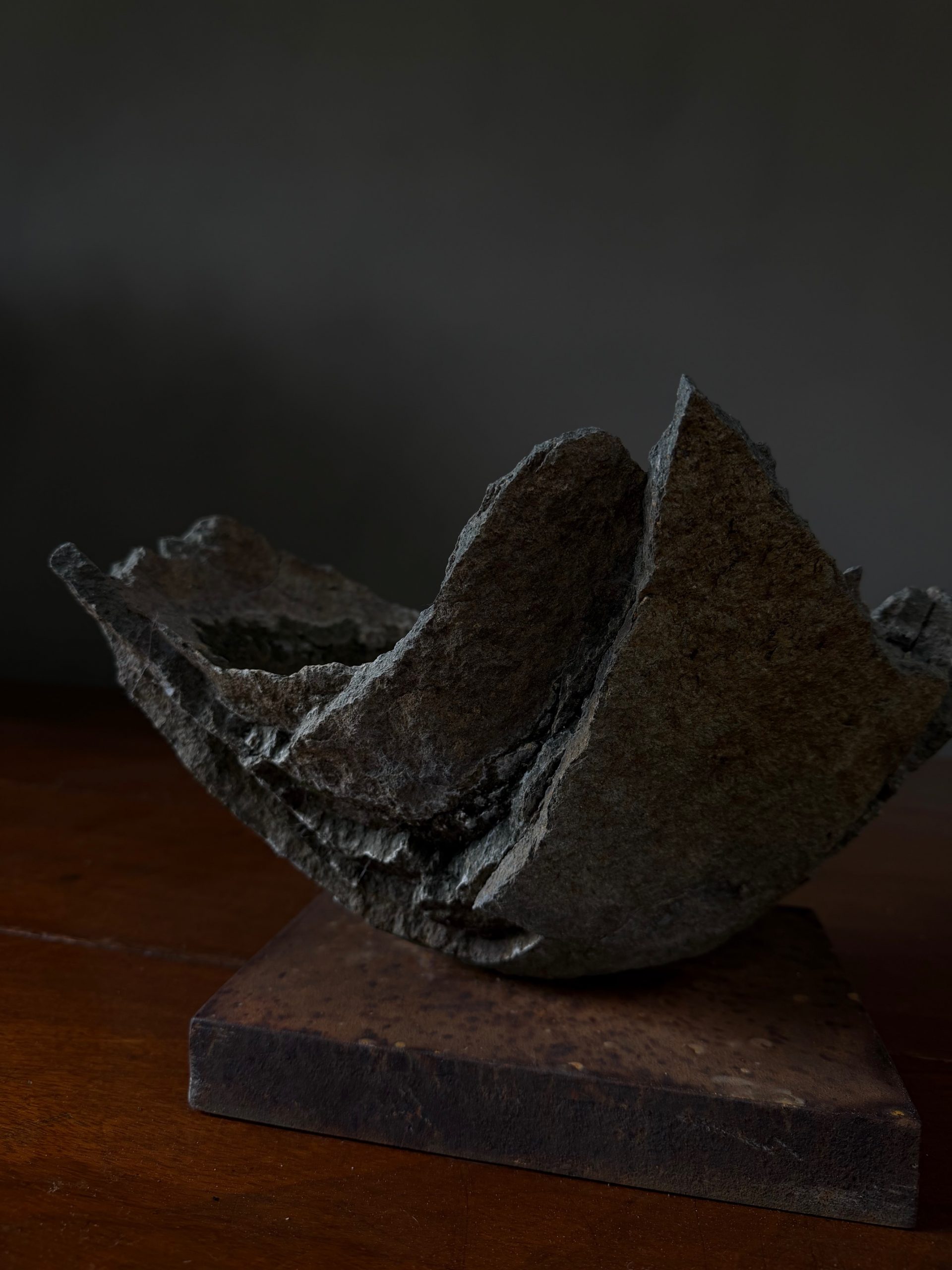
Hoy tenemos a la potentilla llena de flores, acompañada por una piedra de Luis en forma de cuenco. Flores y agua de primavera, el tokonoma listo para ser contemplado, para introducir a todo el que viene en la estación y en el jardín que está a punto de ver.
Almost all our stories begin in this small space.
A tokonoma is a simple, unpretentious space, and yet it is where everything is concentrated. It is a gesture of hospitality and a statement of intent.
Every element that makes it up has its own space, so that one can see the parts, the whole and the void.
There are thousands of texts explaining the meaning of the tokonoma, but none describe it quite like this sentence I read somewhere:
“A tokonoma is a bow in the shape of a hollow”.
Today we have the cinquefoil in full bloom, accompanied by a bowl-shaped stone by Luis. Flowers and spring water; the tokonoma is ready to be contemplated, to introduce everyone who comes to the season and the garden they are about to see.
La Picea de Hokkaido
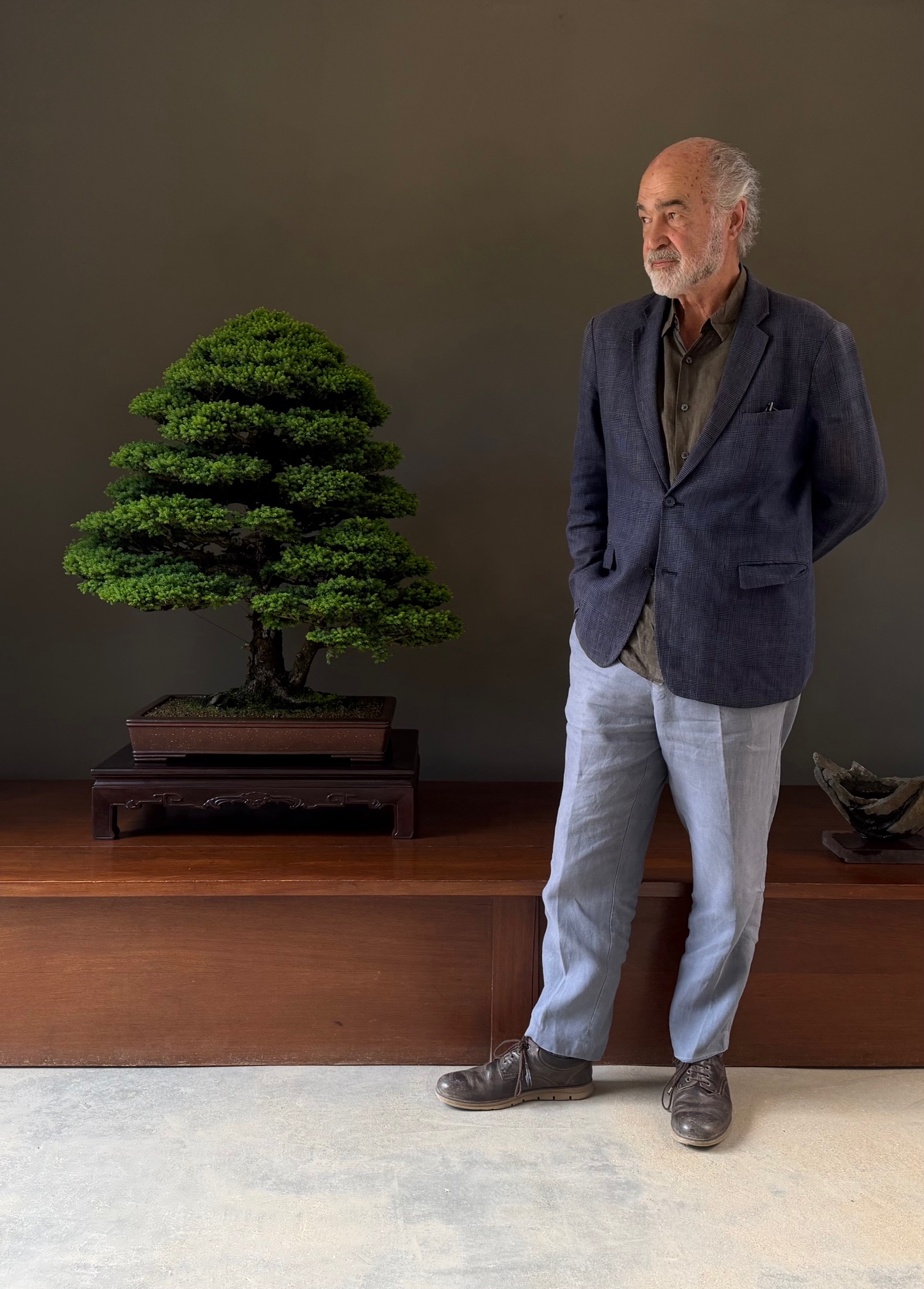
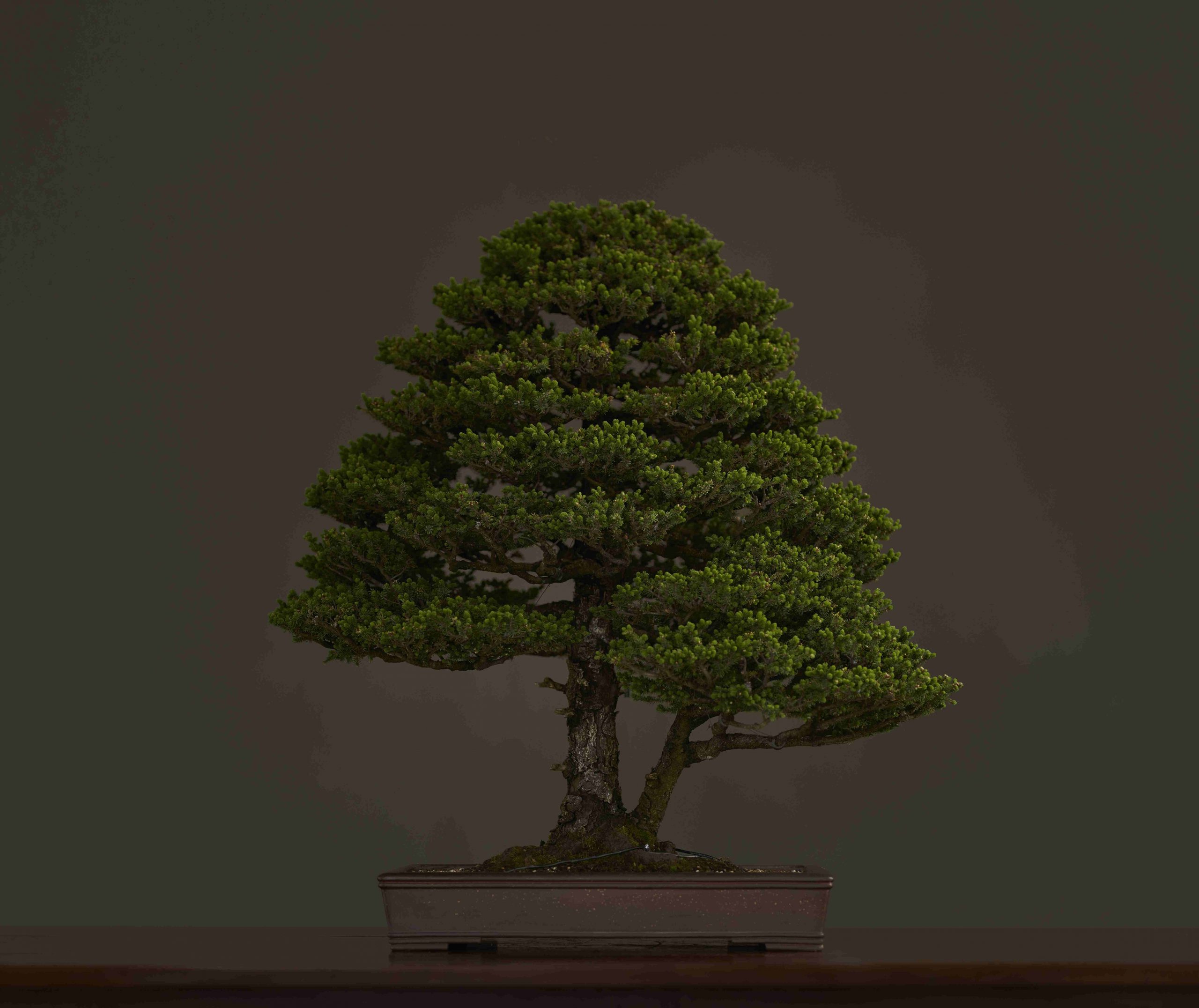
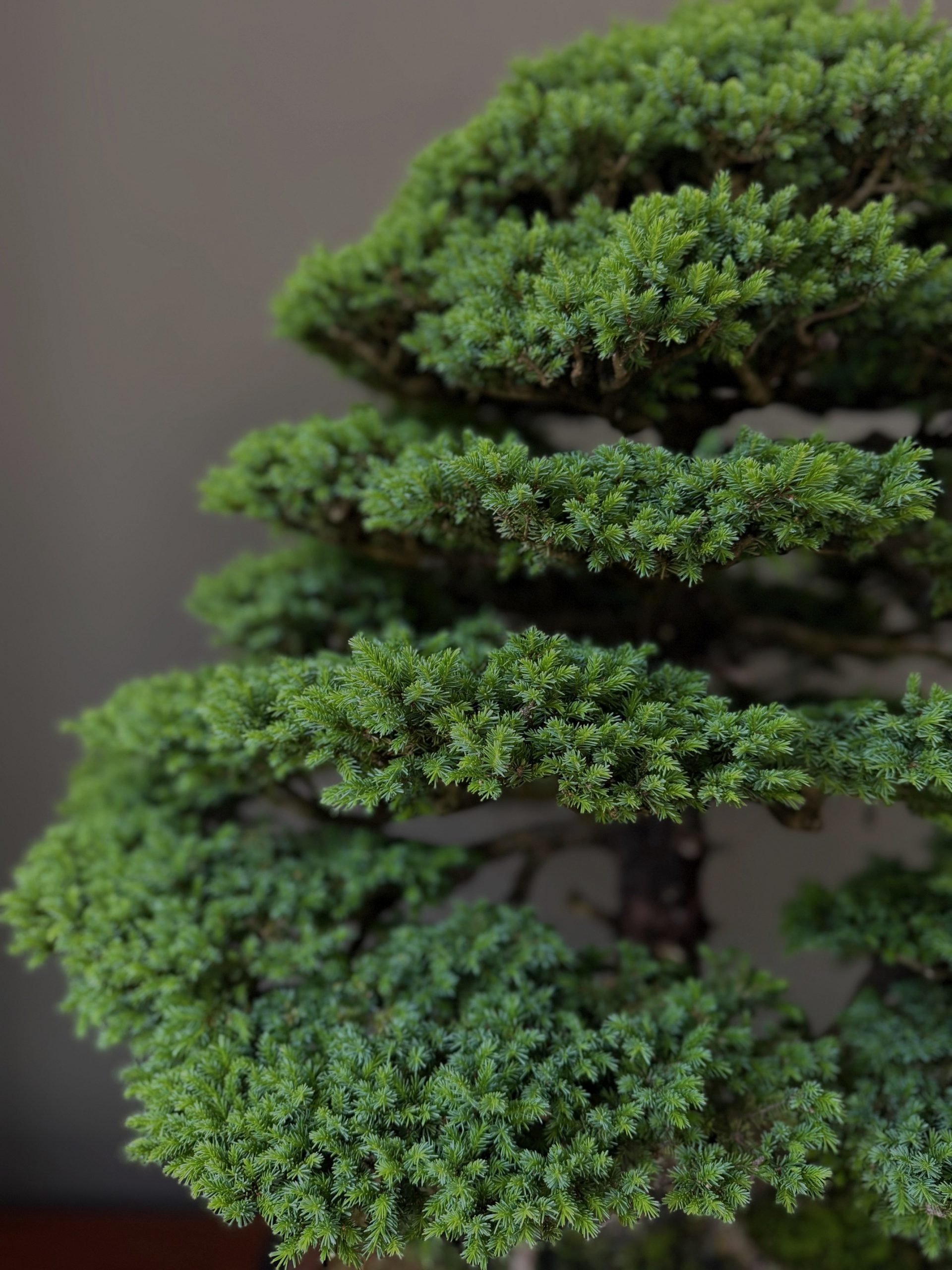
Luis con la Picea de Hokkaido
Picea de Ezo, (antiguo nombre de Hokkaido)
Picea de Sajalin. (Rusia)
Al pensar en esta especie, pienso en Saburo Kato y en aquella entrevista preciosa de 2005, poco antes de su muerte. En ella hablaba de cuando se empezaron a trabajar las piceas en bonsái, de como aquellos abetos que podían verse en Hokkaido y algo más al norte, vivían en un clima extremo con nevadas y hielo gran parte del año. Tenían tan solo unos pocos meses para desarrollar nuevos brotes, se trataba de árboles muy viejos que sin embargo habían crecido muy poco…su padre Tomekishi fue el primero en ver su potencial y traer los primeros ejemplares.
Para él, sus paisajes de piceas eran el recuerdo de los viajes con su padre, ir hasta Hokkaido y desde allí tres horas en barco hasta las islas Kuriles ya en Rusia.
De eso hablaban sus obras; del paisaje que conoció, de sus recuerdos, de su infancia.
…En cada uno de sus países hay montañas, ríos y bosques. Esas son las escenas en las que inspirarse. No hay nada que copiar, hay que conseguir que el bonsái tenga la belleza de la naturaleza…
Saburo Kato
Luis with the Hokkaido spruce
Ezo spruce (the former name for Hokkaido)
Sakhalin spruce. (Russia)
When I think of this species, I think of Saburo Kato and that wonderful interview from 2005, shortly before his death. In it, he spoke of when spruce trees first began to be cultivated as bonsai, and of how those spruce trees found in Hokkaido and further north lived in an extreme climate with snow and ice for much of the year. They had only a few months to develop new shoots; they were very old trees that had nevertheless grown very little… his father, Tomekishi, was the first to see their potential and bring back the first specimens.
For him, his spruce landscapes were a reminder of the trips he took with his father, travelling to Hokkaido and from there taking a three-hour boat journey to the Kuril Islands, in Russia.
That is what his works spoke of: the landscape he knew, his memories, his childhood.
…In each of your countries there are mountains, rivers and forests. These are the scenes from which to draw inspiration. There is nothing to copy; the aim is to ensure that the bonsai possesses the beauty of nature…
Saburo Kato