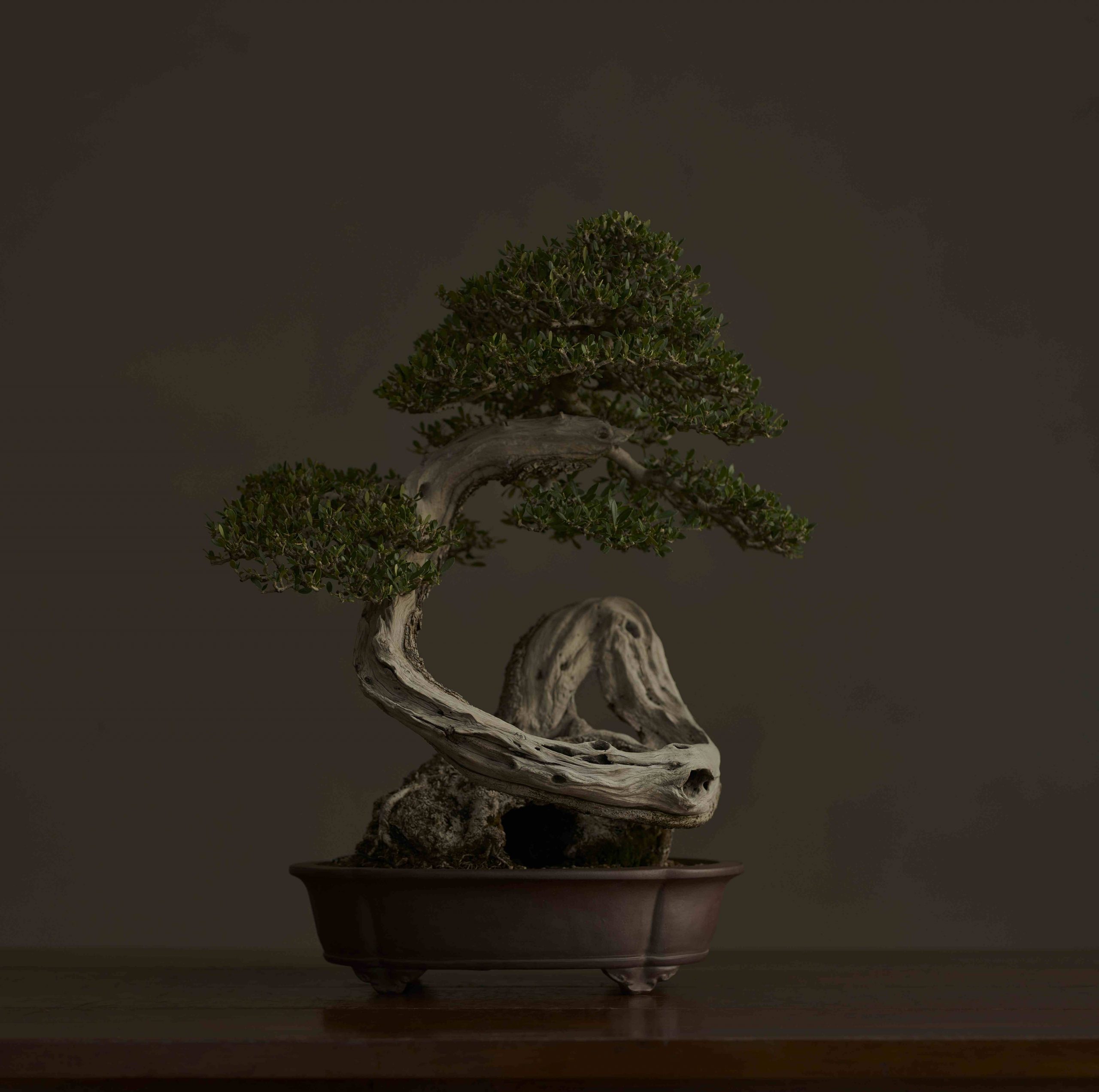
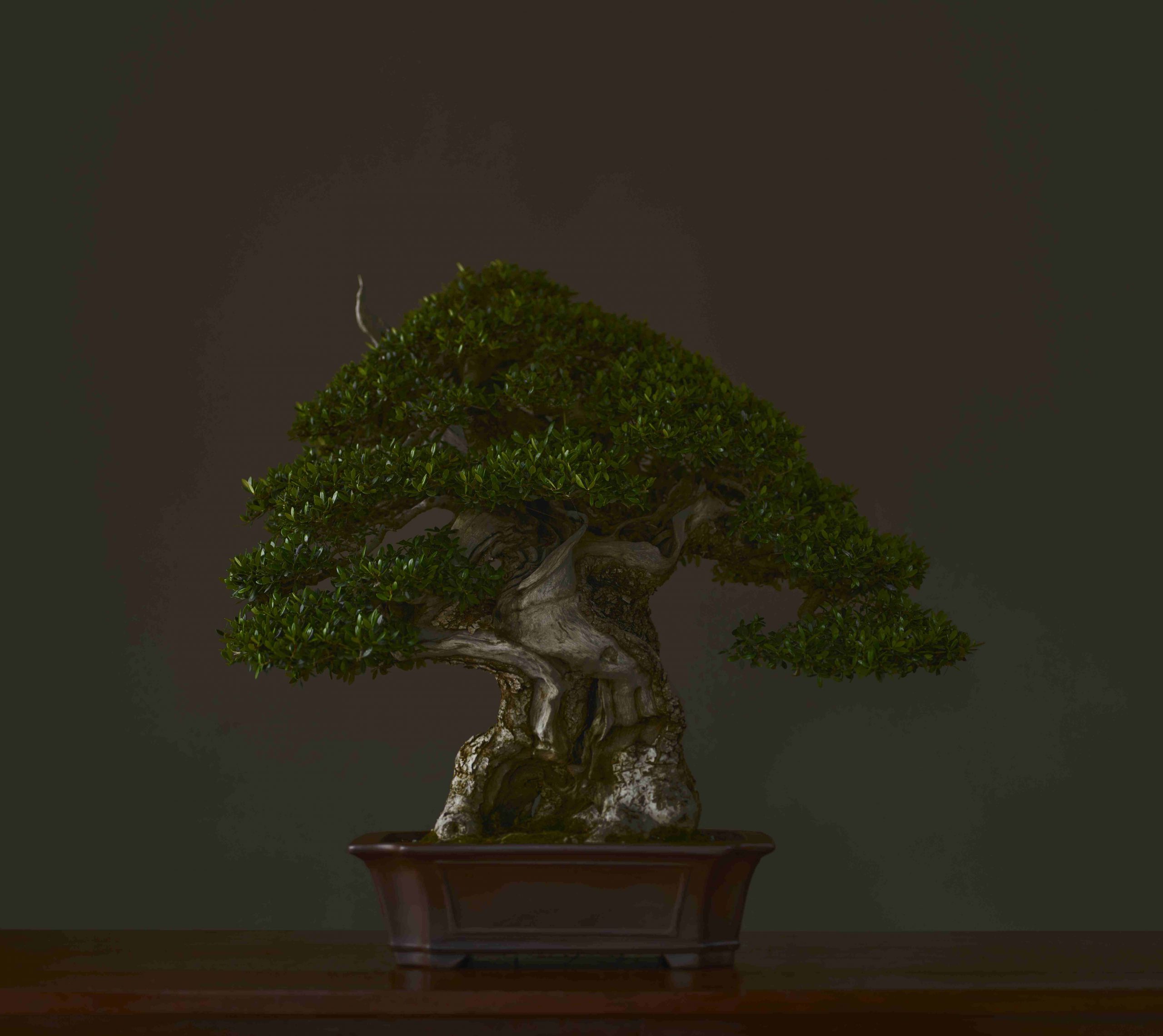
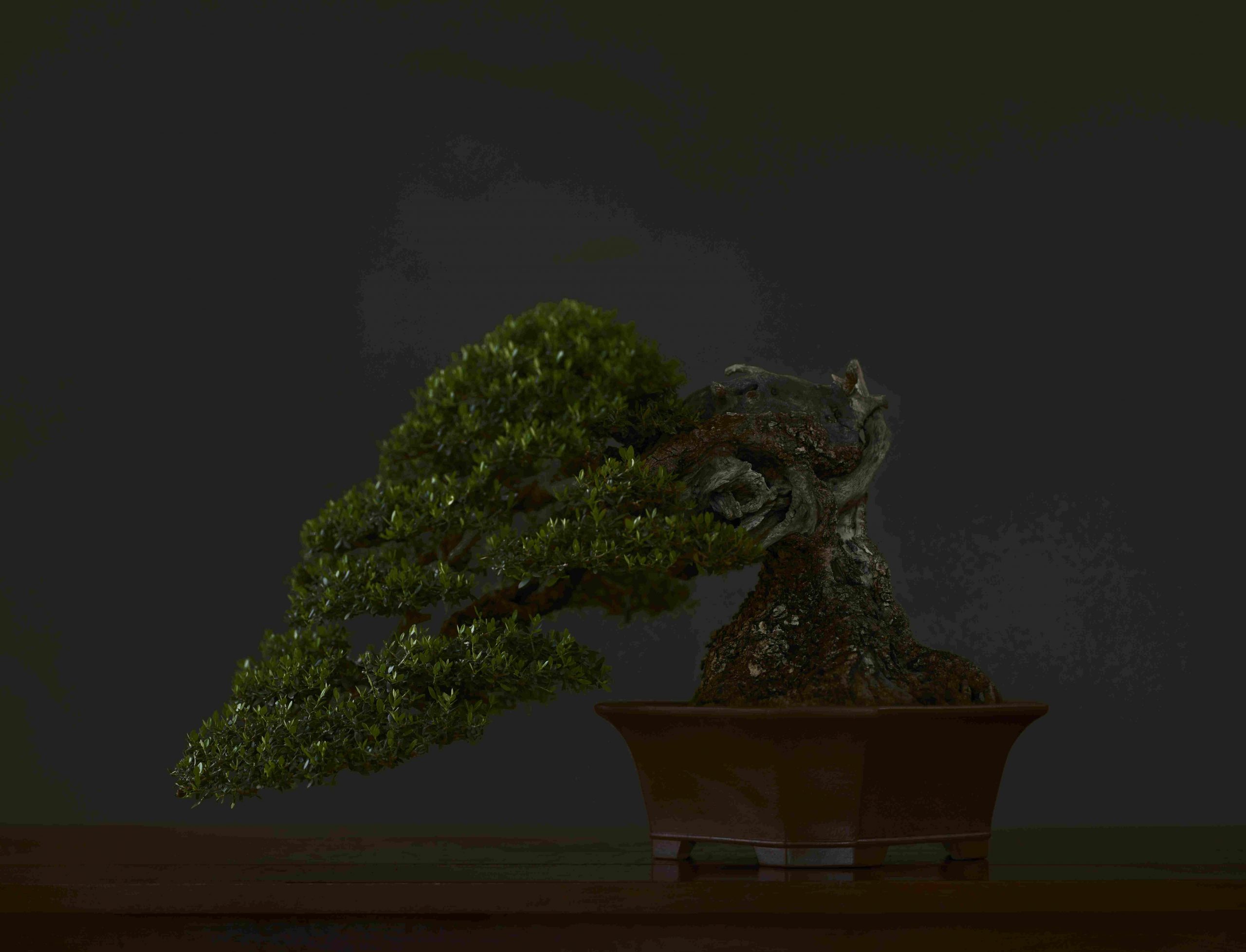
Acebuche, olivo silvestre, olivo bravo, olivera borda, olivastro, ullastre, zambujo…
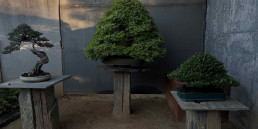
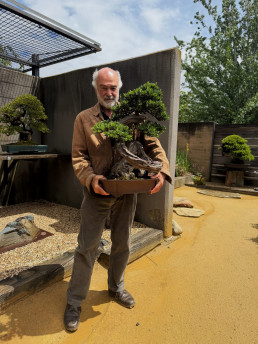
En la colección tenemos acebuches, el padre dicen de todas las variedades de olivo. El acebuche tiene la hoja pequeña y la acebuchina más pequeña que la oliva, perfecto todo para nuestra escala.
El acebuche es pobre, salvaje y libre. Su destino está ligado al de su prole, cuando un olivar se abandona se dice que se está “acebuchando”. Un olivo asalvajado se vuelve acebuche..se vuelve a la naturaleza. Es tan determinada su genética que de las semillas de un olivo cultivado salen acebuches….
Pero olivos y acebuches ya venían mezclados desde la Odisea:
..”Debajo de dos aceitunas brotaron de la misma raíz
un olivo silvestre y otro de linaje de buena raza
tan densos que crecieron juntos para siempre, enre-
dados uno al lado del otro.”
Acebuche, wild olive, olivera borda, olivastro, ullastre, zambujo…
Our collection has acebuches, said to be the progenitor of all olive varieties. The wild olive tree has smaller leaves, and the acebuchina is also smaller than the olive, making them perfect for our scale.
The wild olive is humble, untamed and free. Its fate is linked to that of its offspring; when an olive grove is abandoned, it is said to be ‘acebuchando” (going wild). A cultivated olive tree that has run wild becomes a wild olive… it returns to nature. Its genetics are so determined that the seeds of a cultivated olive tree produce wild olives…
But olive trees and wild olive trees have been intertwined since the Odyssey:
..”Beneath two olives, sprout from the same root,
a wild olive tree and another of fine lineage
so tight that they grew together forever,
entwined side by side.”