Nuestro rhus, el succedanea, viene de fuera. En España hay plantaciones abandonadas por algunos lugares del coriaria, que introdujeron los árabes. El zumaque, como se conoce aquí, se utilizaba para curtir las pieles por su gran cantidad de taninos. Sirve para teñir y se usa en gastronomía…es uno de los ingredientes del famoso za’atar libanés.
Aquí nos encanta, a él nosotros no le gustamos tanto…el nuestro, como buen Toxidondendrum nos deja con urticaria cada vez que puede.
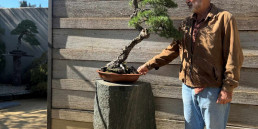
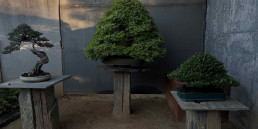
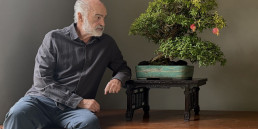
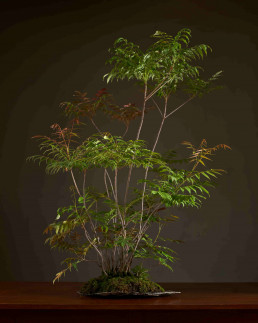
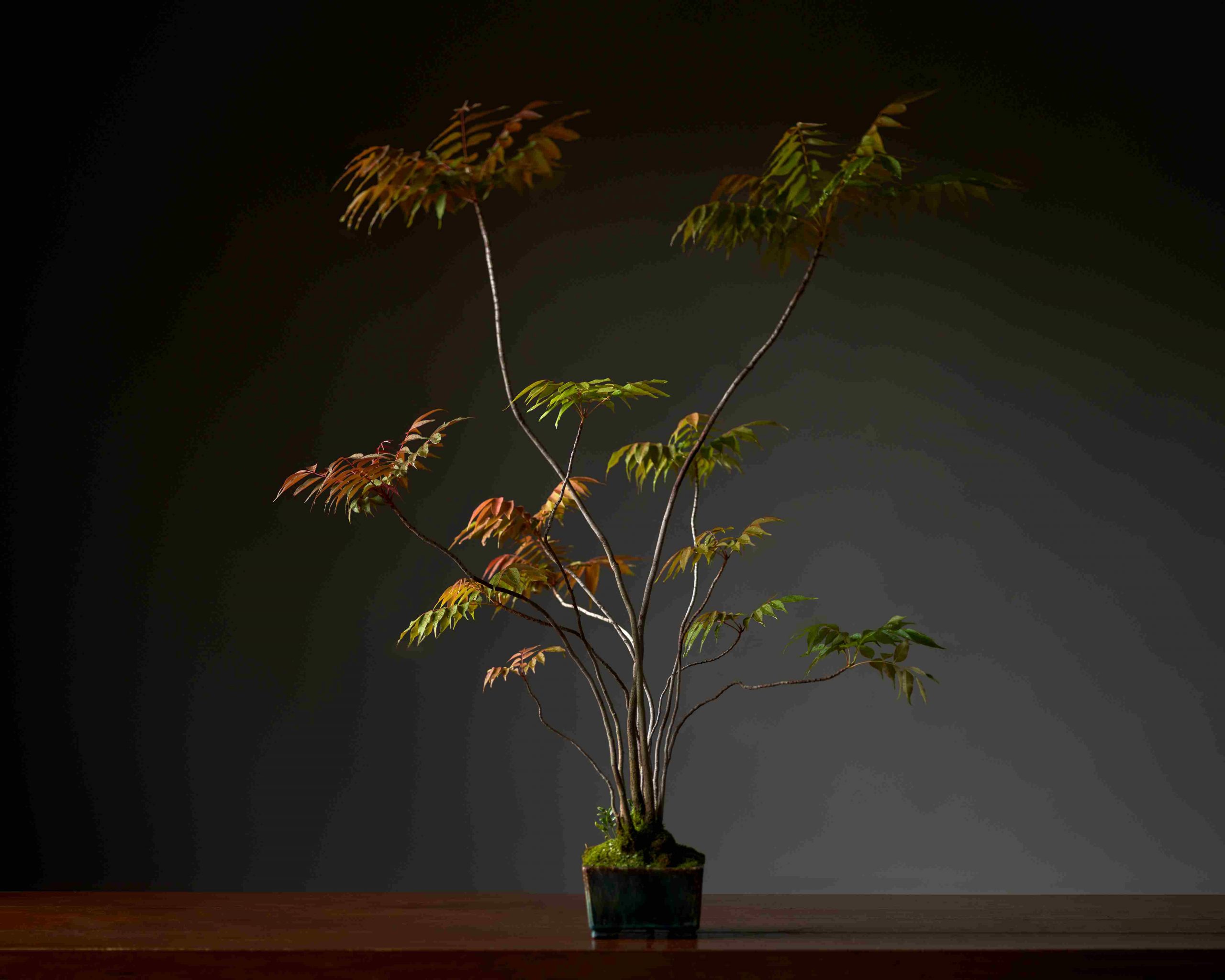
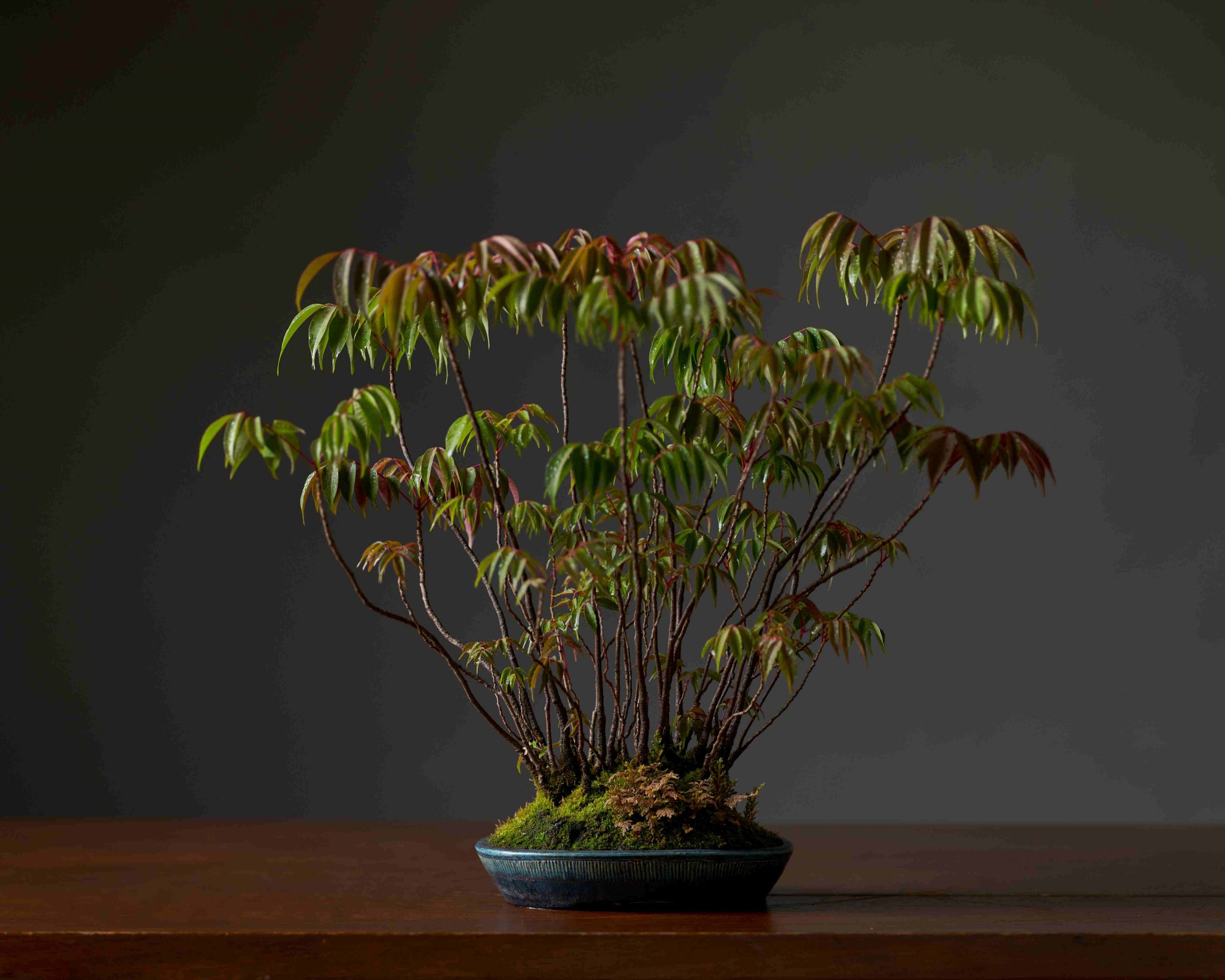
Ahora en el jardín lo ponemos por todas partes. Los tenemos altos, altísimos, pequeños, en piedra, en composiciones de pocos árboles o bosques frondosos. El que lo ha visto en otoño recordará para siempre el color rojo que llegan a tener sus hojas, pero en primavera vuelve a ser el protagonista con sus brotes verde brillante.
Luis cuenta que el primero que llegó se lo regalaron a Carmen Romero en uno de los primeros viajes que hizo Felipe González a Japón, hablamos del año 84…aquel primer ejemplar se dividió, una parte está en la colección del Jardín botánico y la otra aquí. Los de las fotos son sus hijos, nietos y bisnietos.
Our Rhus, the succedanea variety, comes from abroad. In Spain, there are abandoned plantations of the coriaria variety in some places, which were introduced by the Arabs. The Zumaque, as it is known here, was used to tann leather due to its high tannin content. It is used for dyeing and in cooking… it is one of the ingredients in the famous Lebanese za’atar.
We love it here, but it doesn’t like us quite so much… ours, like any good Toxidondendrum, gives us a rash whenever it can.
Now it’s everywhere in the garden. We have tall ones, very tall ones, small ones, on stone, in small groups of trees or lush groves. Anyone who has seen it in autumn will always remember the red color its leaves turn, but in spring it takes centre stage once again with its bright green shoots.
Luis says that the first one was given to Carmen Romero on one of Felipe González’s early trips to Japan—we’re talking about 1984… that first specimen was divided; one part is in the Botanical Garden’s collection and the other is here. The ones in the photos are its children, grandchildren and great-grandchildren.