
De olivos y acebuches
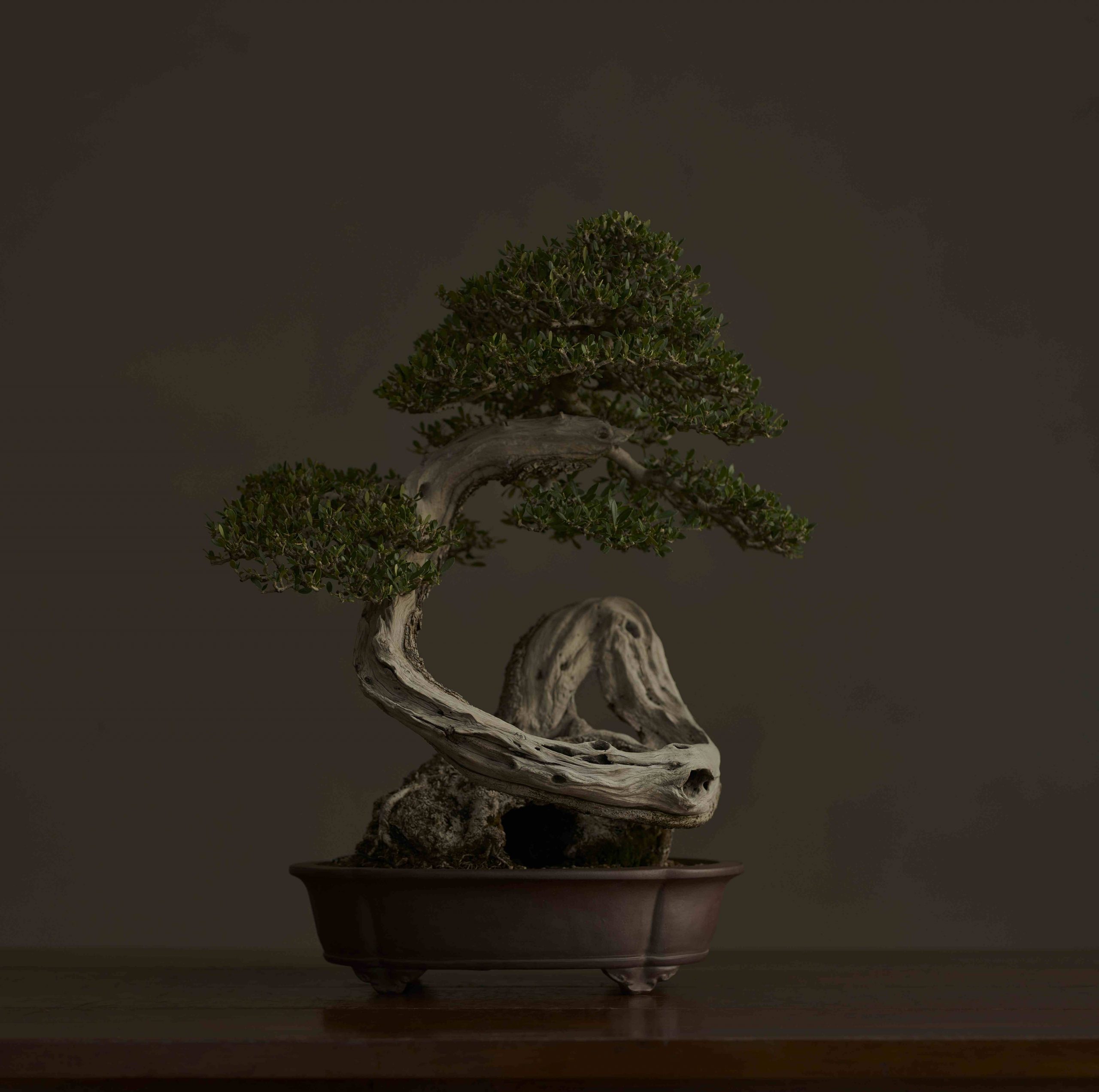
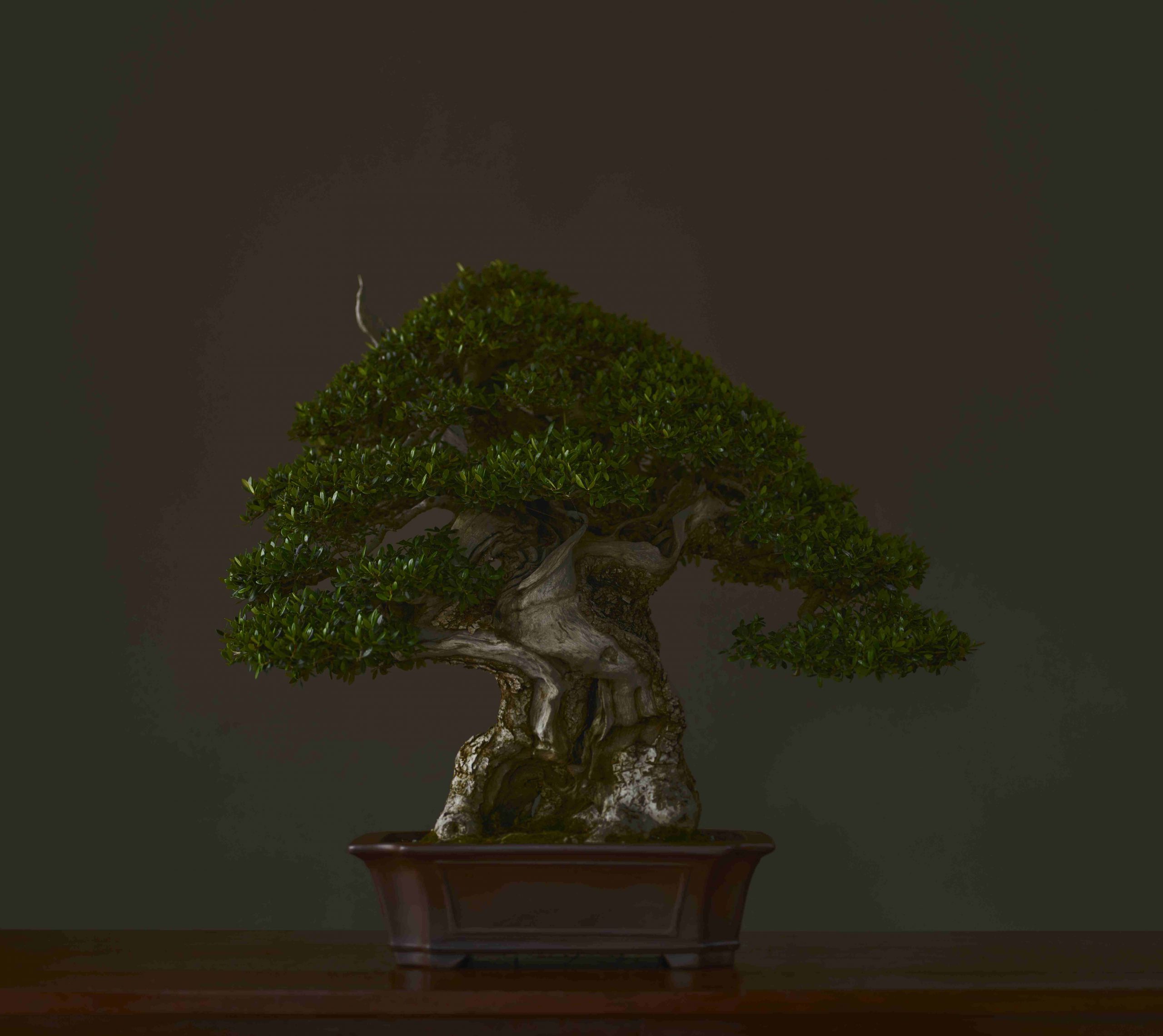
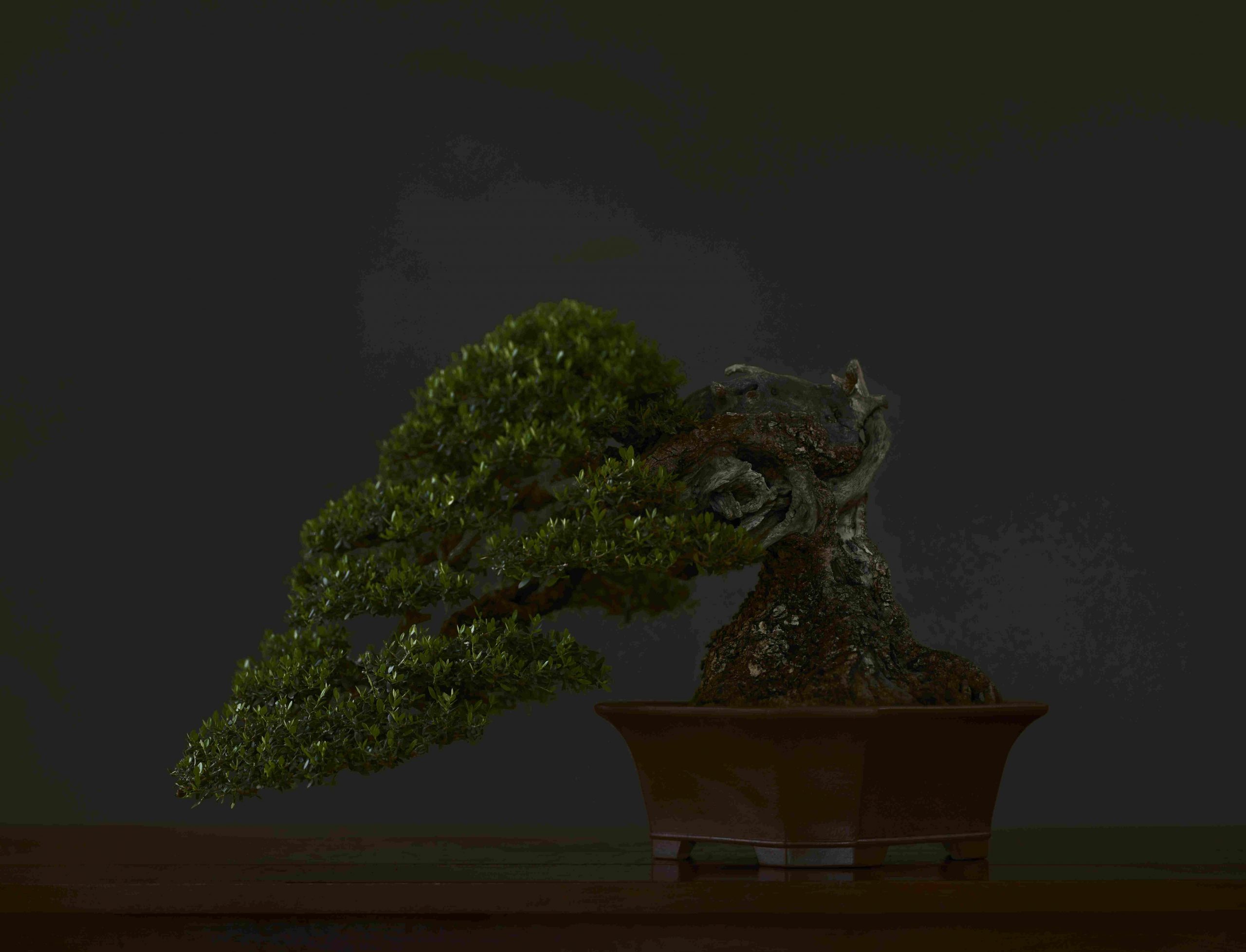
Acebuche, olivo silvestre, olivo bravo, olivera borda, olivastro, ullastre, zambujo…
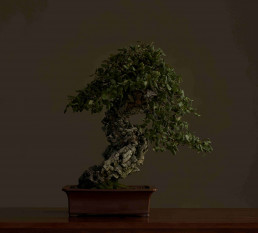
En la colección tenemos acebuches, el padre dicen de todas las variedades de olivo. El acebuche tiene la hoja pequeña y la acebuchina más pequeña que la oliva, perfecto todo para nuestra escala.
El acebuche es pobre, salvaje y libre. Su destino está ligado al de su prole, cuando un olivar se abandona se dice que se está “acebuchando”. Un olivo asalvajado se vuelve acebuche..se vuelve a la naturaleza. Es tan determinada su genética que de las semillas de un olivo cultivado salen acebuches….
Pero olivos y acebuches ya venían mezclados desde la Odisea:
..”Debajo de dos aceitunas brotaron de la misma raíz
un olivo silvestre y otro de linaje de buena raza
tan densos que crecieron juntos para siempre, enre-
dados uno al lado del otro.”
Acebuche, wild olive, olivera borda, olivastro, ullastre, zambujo…
Our collection has acebuches, said to be the progenitor of all olive varieties. The wild olive tree has smaller leaves, and the acebuchina is also smaller than the olive, making them perfect for our scale.
The wild olive is humble, untamed and free. Its fate is linked to that of its offspring; when an olive grove is abandoned, it is said to be ‘acebuchando” (going wild). A cultivated olive tree that has run wild becomes a wild olive… it returns to nature. Its genetics are so determined that the seeds of a cultivated olive tree produce wild olives…
But olive trees and wild olive trees have been intertwined since the Odyssey:
..”Beneath two olives, sprout from the same root,
a wild olive tree and another of fine lineage
so tight that they grew together forever,
entwined side by side.”

Tres Quercus y una dehesa.
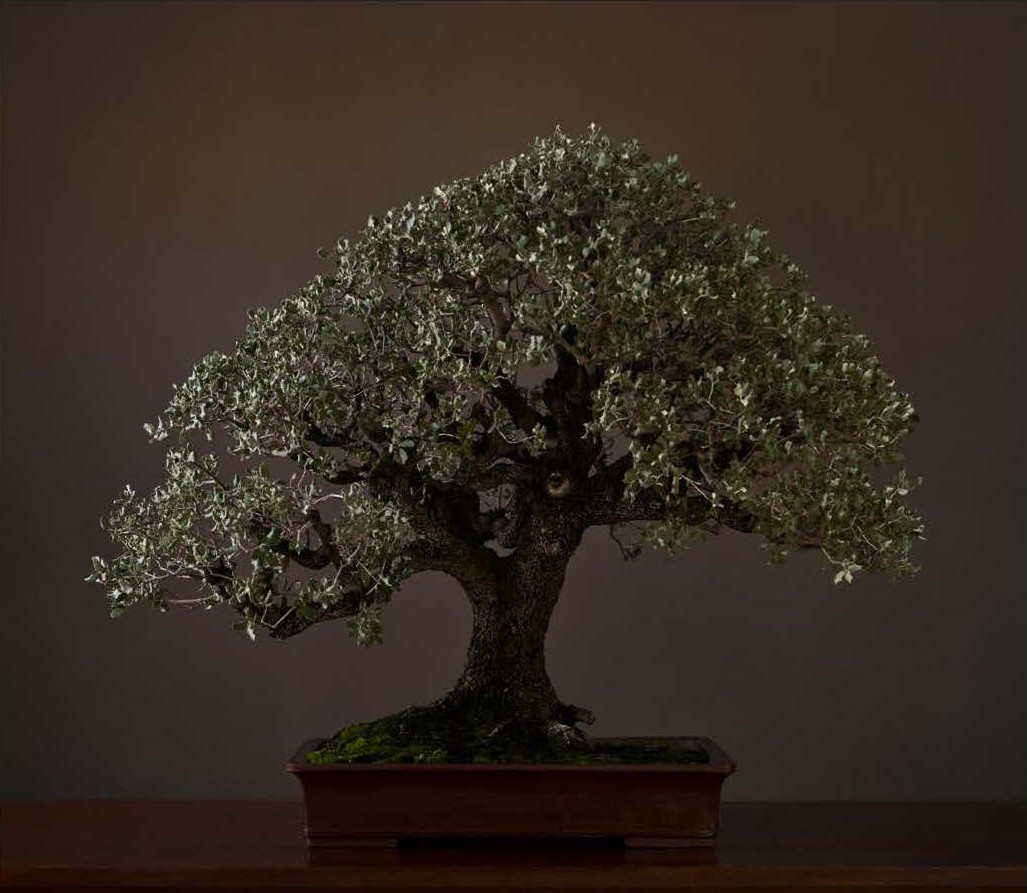
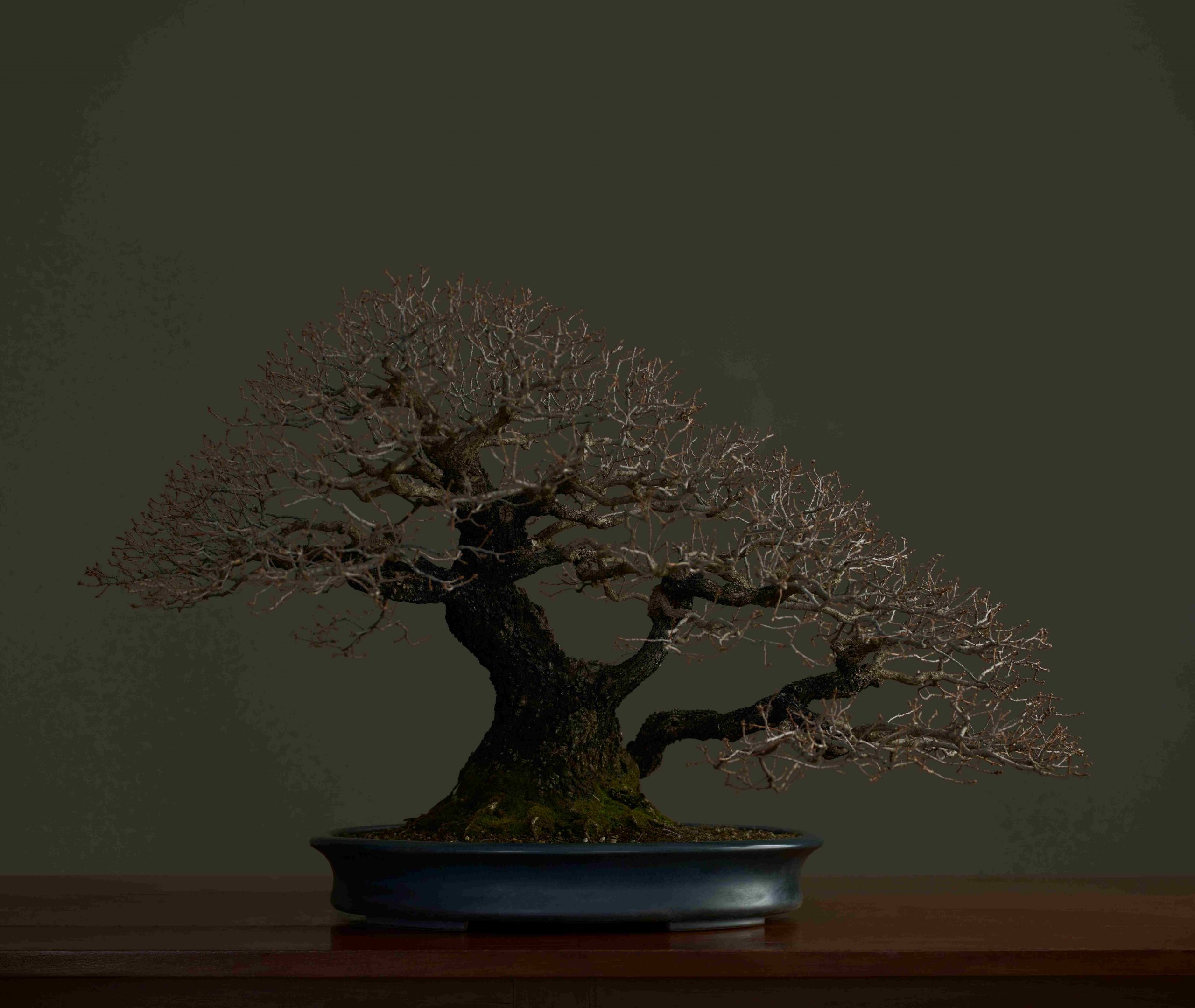
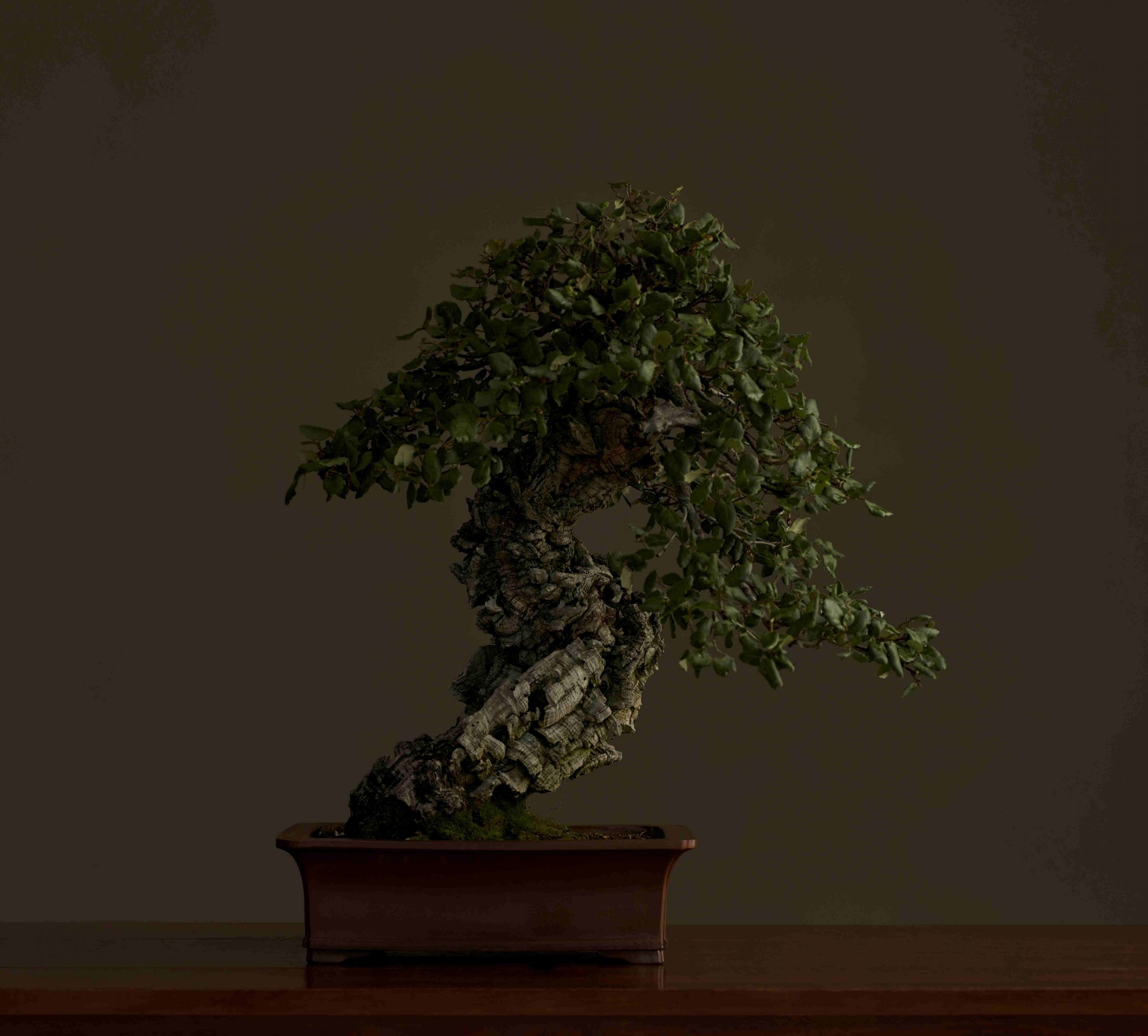
En el jardín, junto a la colección de árboles japoneses, se expone la colección de árboles autóctonos, ejemplos de flora mediterránea.
Este arte parte del profundo conocimiento de la naturaleza, del estudio del paisaje y sus árboles para así ser capaz de evocarlos en el bonsái. Los pinos albares, sabinas, olivos, encinas y alcornoques de la colección, son fruto de viajes recorriendo la geografía española, estudiándola y apreciándola.
Hoy como emblema de flora ibérica traemos a los tres quercus de la colección; Quercus ilex, Quercus faginea y Quercus suber. Hablar de los tres, es hablar de la dehesa española, un modelo único de interacción entre el hombre y el medio. Dehesa viene del latín “deffesa” o defensa… un sistema que crea sinergias interesantísimas entre agricultura, ganadería, medio ambiente y paisaje. Se crean estos pedazos aclarados de bosque mediterraneo, en los que prevalecen los árboles más interesantes, las herbáceas silvestres y se elimina gran parte del matorral. Son cortafuegos naturales de gran valor ecológico y social.
Son un mundo, un paisaje.
Millones de hectáreas de patrimonio cultural.
In the garden, alongside the collection of Japanese trees, you can see the collection of native trees, examples of Mediterranean flora.
This art stems from a deep understanding of nature and the study of the landscape and its trees, in order to be able to evoke them in bonsai. The Scots pines, junipers, olive trees, holm oaks and cork oaks in the collection are the result of journeys across Spain, studying and appreciating the country’s geography.
Today, as emblems of Iberian flora, we present the three Quercus species in the collection: Quercus ilex, Quercus faginea and Quercus suber. To speak of these three is to speak of the Spanish dehesa, a unique model of interaction between humans and the environment. The word ‘dehesa’ derives from the Latin ‘deffesa’, meaning ‘defence’… is a system that creates fascinating synergies between agriculture, livestock farming, the environment and the landscape. These patches of thinned Mediterranean woodland are created, where the most interesting trees and wild herbaceous plants prevail and much of the scrub is removed. They are natural firebreaks of great ecological and social value.
They are a world, a landscape.
Millions of hectares of cultural heritage.