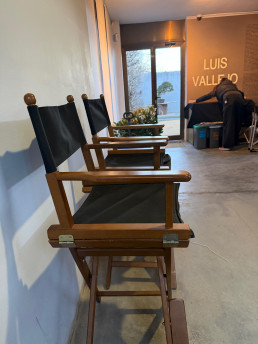
Goteras/Leaks
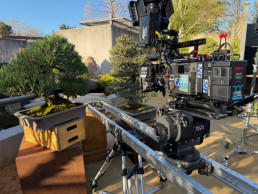
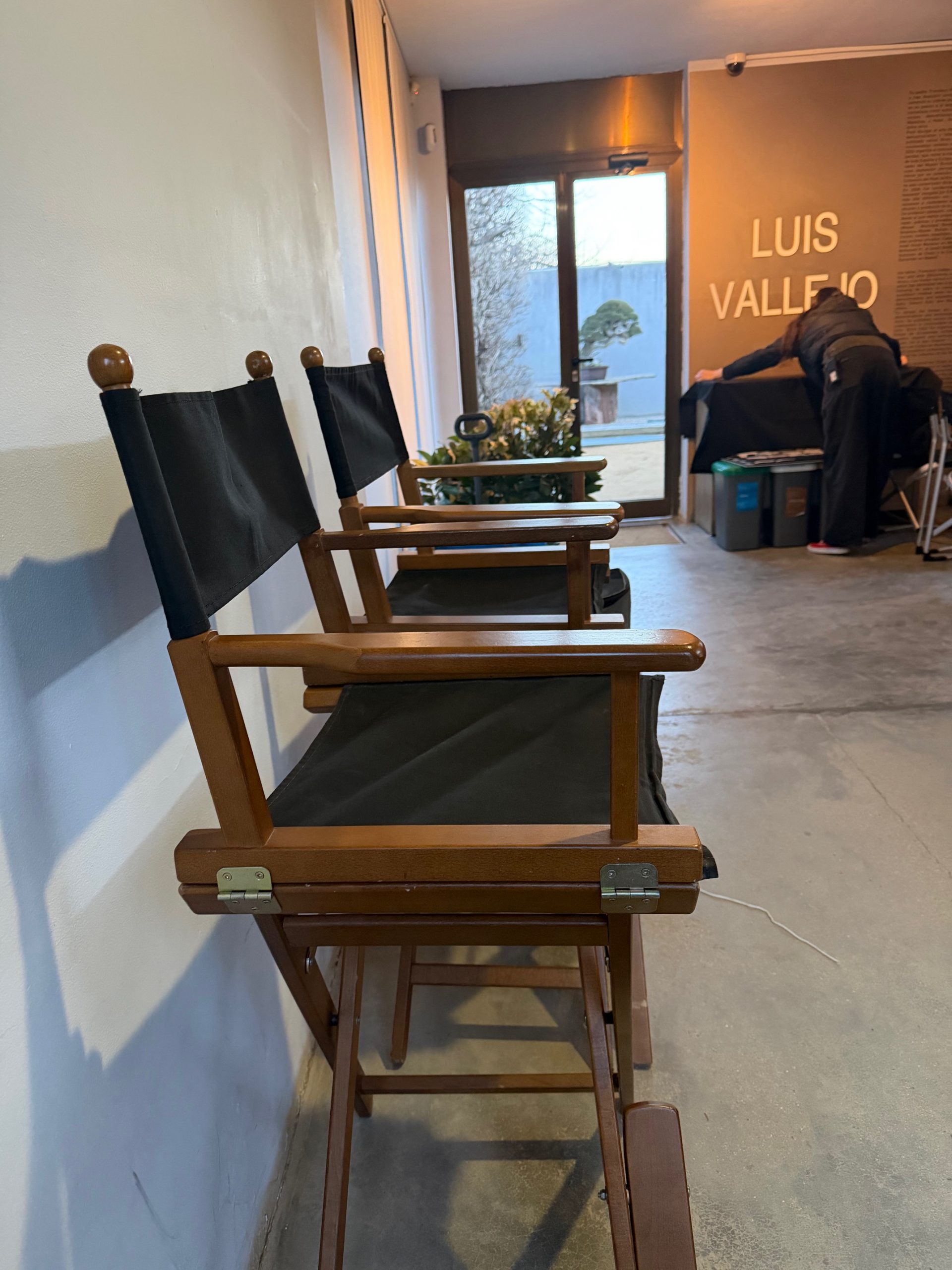
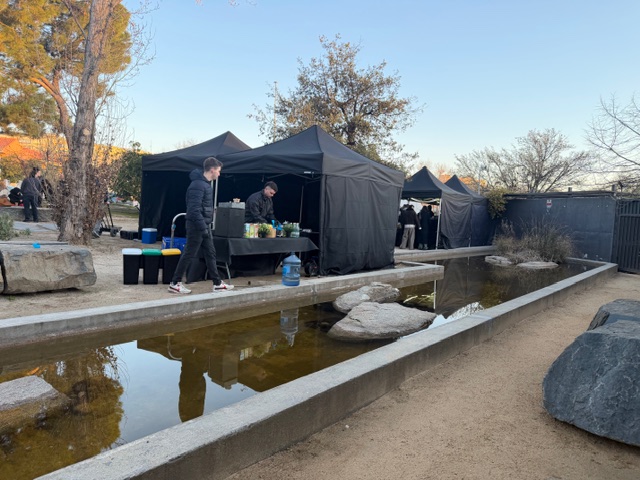
Esta semana hemos tenido el rodaje de un anuncio en el jardín. No es nuestro primer rodaje, nos adaptamos a los tiempos, hay que diversificar, conseguir formas de financiación fuera de la actividad principal y poco rentable de un museo. Museos interactivos, mediáticos, pensados para eventos, rodajes, restaurantes y experiencias. No es ningún secreto que como negocio un museo pequeño y privado puede ser una ruina si solo tiene arte…
¿Pero y los grandes museos? al parecer el Louvre, el museo más visitado del mundo tiene goteras, problemas estructurales, dificultades de personal y notorios fallos de seguridad.
El Louvre, con financiación pública y 9 millones de visitantes al año, tiene en marcha el proyecto «Nuevo renacer» para adaptarlo a los tiempos, se enfrenta a una montaña de inversiones y no tiene los fondos para acometerlas.
Mientras encontramos nuestro camino nos consuela tener algo en común con él, también tenemos goteras, montañas de inversiones y algo de arte…
This week we have had the shooting of an advertisement in the garden. It is not our first filming, we are adapting to the times, we have to diversify, to find ways of financing outside the main and not very profitable activity of a museum. Interactive museums, mass media, designed for events, filming, restaurants and experiences. It is no secret that as a business a small, private museum can be a ruin if it only has art…
But what about the big museums? Apparently the Louvre, the most visited museum in the world, has leaks, structural problems, staffing difficulties and notorious security failures.
The Louvre, with public funding and 9 million visitors a year, has the «New Renaissance» project underway to adapt it to the times, faces a mountain of investment and does not have the funds to undertake it.
While we find our way, we take comfort in the fact that we have something in common with it, we also have leaks, mountains of investments and some art…


un bosque
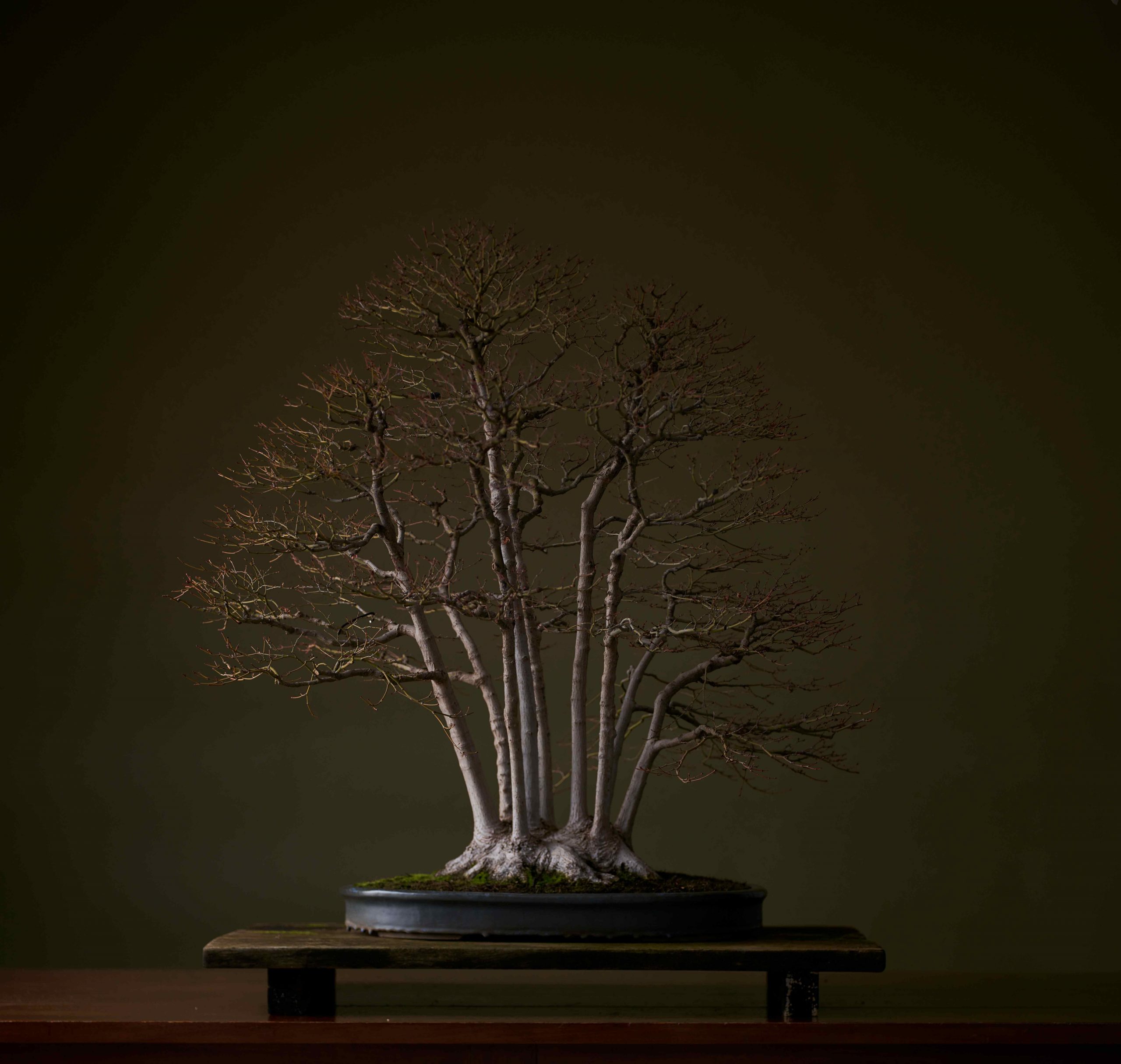
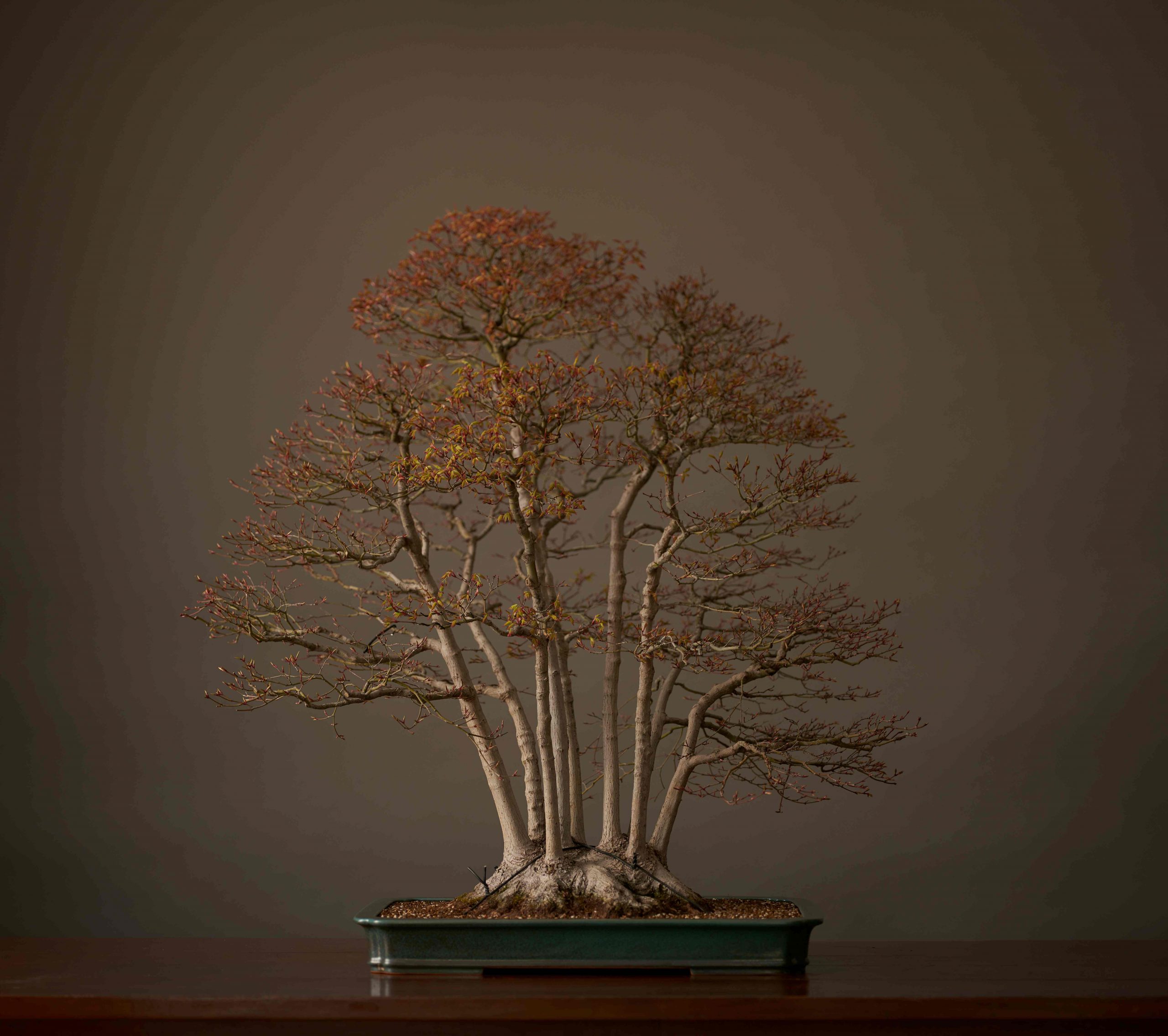
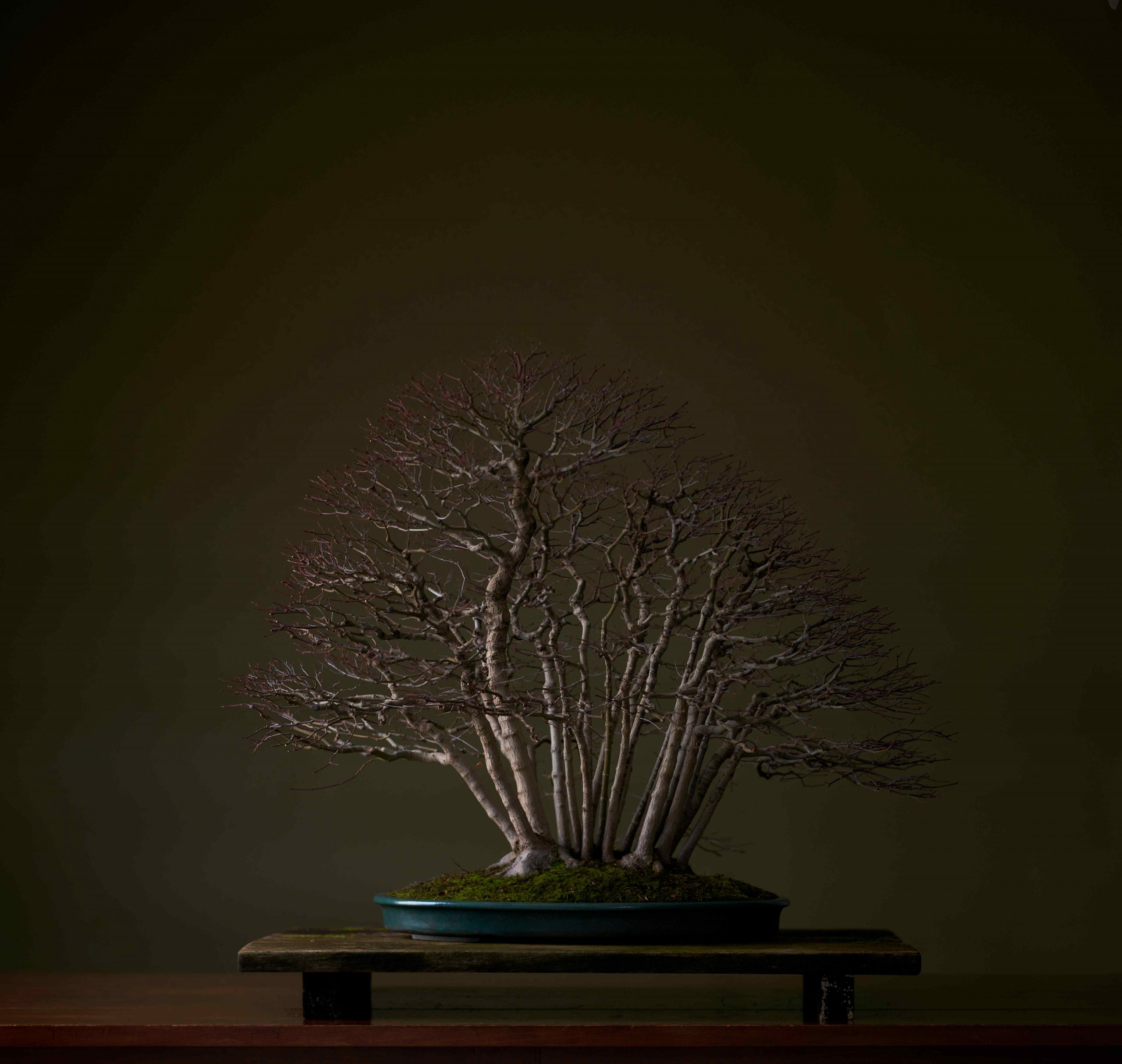
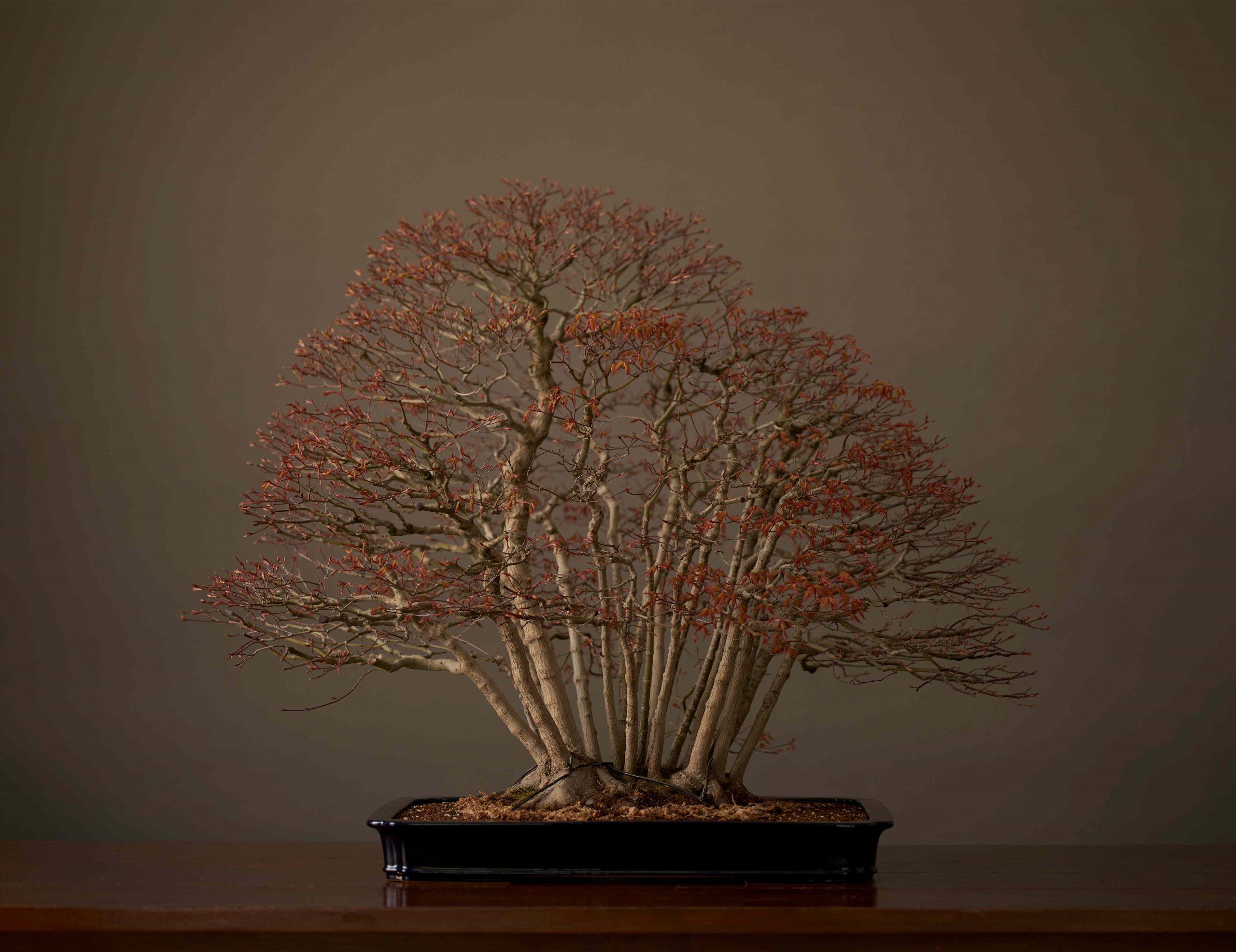
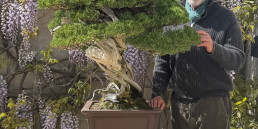
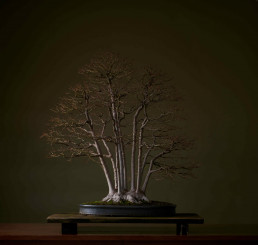
En la colección tenemos muchos bosques de muy distintas especies. Cada uno es un mundo; no solo porque entre si son muy diferentes si no porque son en si un micro mundo. Tienen una presencia muy diferente a la de un ejemplar solitario.
Existen estudios muy interesantes sobre como interactúan los bosques en la naturaleza, como sus conexiones entrelazadas por el suelo le hacen capaces de colaborar y comunicarse. Si siempre se pensó que los árboles de un bosque competían por los recursos; nutrientes, agua, luz…estos estudios hablan de que en realidad los comparten, hablan de individuos que se relacionan.
Parece que no solo comparten nutrientes; son capaces de comunicarse y avisar de plagas o amenazas. Cuentan que una arboleda de acacias en Africa aumentó la toxicidad de sus hojas cuando los antílopes se comieron las hojas de sus árboles periféricos.
…pero eso ya lo sabía Mario Benedetti:
El bosque crea
nidos, juncos, en fin
vocabulario.
In the collection we have many forests of very different species. Each one is a micro world. They have a very different presence from a single specimen.
There are very interesting studies on how forests interact in nature, how their intertwined connections through the soil make them able to collaborate and communicate. If it was always thought that the trees in a forest competed for resources; nutrients, water, light… these studies show that they actually share them, they talk about individuals that relate to each other.
But it seems they not only share nutrients; they are able to communicate and warn of pests or threats. It is said that an acacia grove in Africa increased the toxicity of its leaves when antelopes ate the leaves of its peripheral trees.
…but Mario Benedetti already knew that:
The forest creates nests
bulrushes in short
vocabulary.
Giacometti
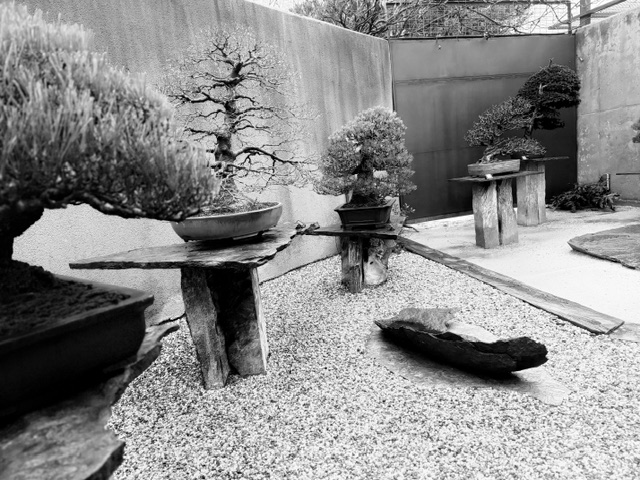
“Una exposición de Giacometti es un pueblo. Esculpe unos hombres que se cruzan por
una plaza sin verse; están solos sin remedio y, no obstante, están juntos”. Jean Paul Sartre
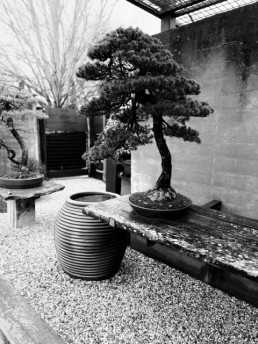
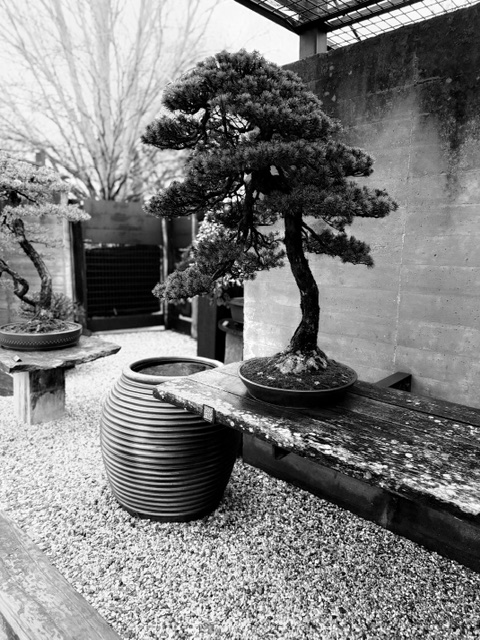
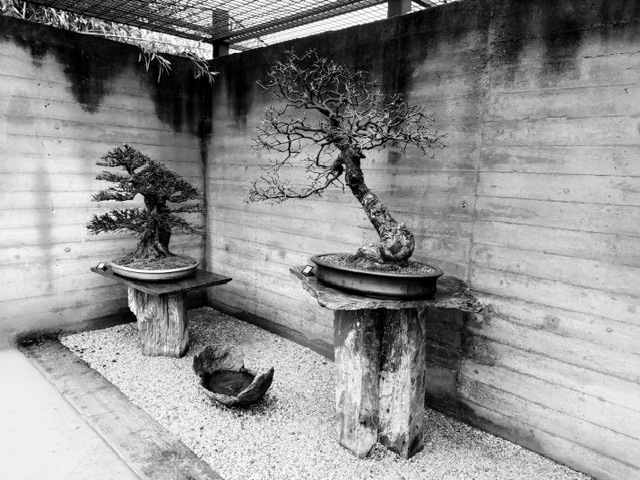
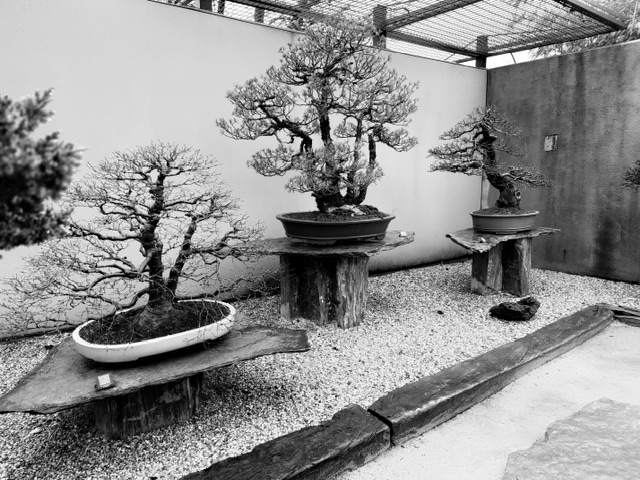
Estos días de invierno los árboles descansan expuestos a la intemperie, su presencia se intuye mientras recorres el jardín, la lluvia los hace todavía más presentes, más visibles. Cada uno en su pedestal, solos y sin embargo como en la exposición de Giacometti; juntos.
Mas que en ninguna otra estación, durante el invierno, son más escultura que árbol y el jardín, sin las distracciones de otras estaciones, es más exposición que jardín.
«An exhibition by Giacometti is a village. He sculpts men crossing each other’s paths in a a square without seeing each other; they are hopelessly alone and yet they are together». Jean Paul Sartre
These winter days the trees rest exposed to the elements, their presence is sensed as you walk through the garden, the rain makes them even more present, more visible. Each one on its own pedestal, alone and yet, as in Giacometti’s exhibition, together.
More than in any other season, during the winter, they are more sculpture than tree and the garden, without the distractions of other seasons, is more exhibition than garden.
Luis y el ume
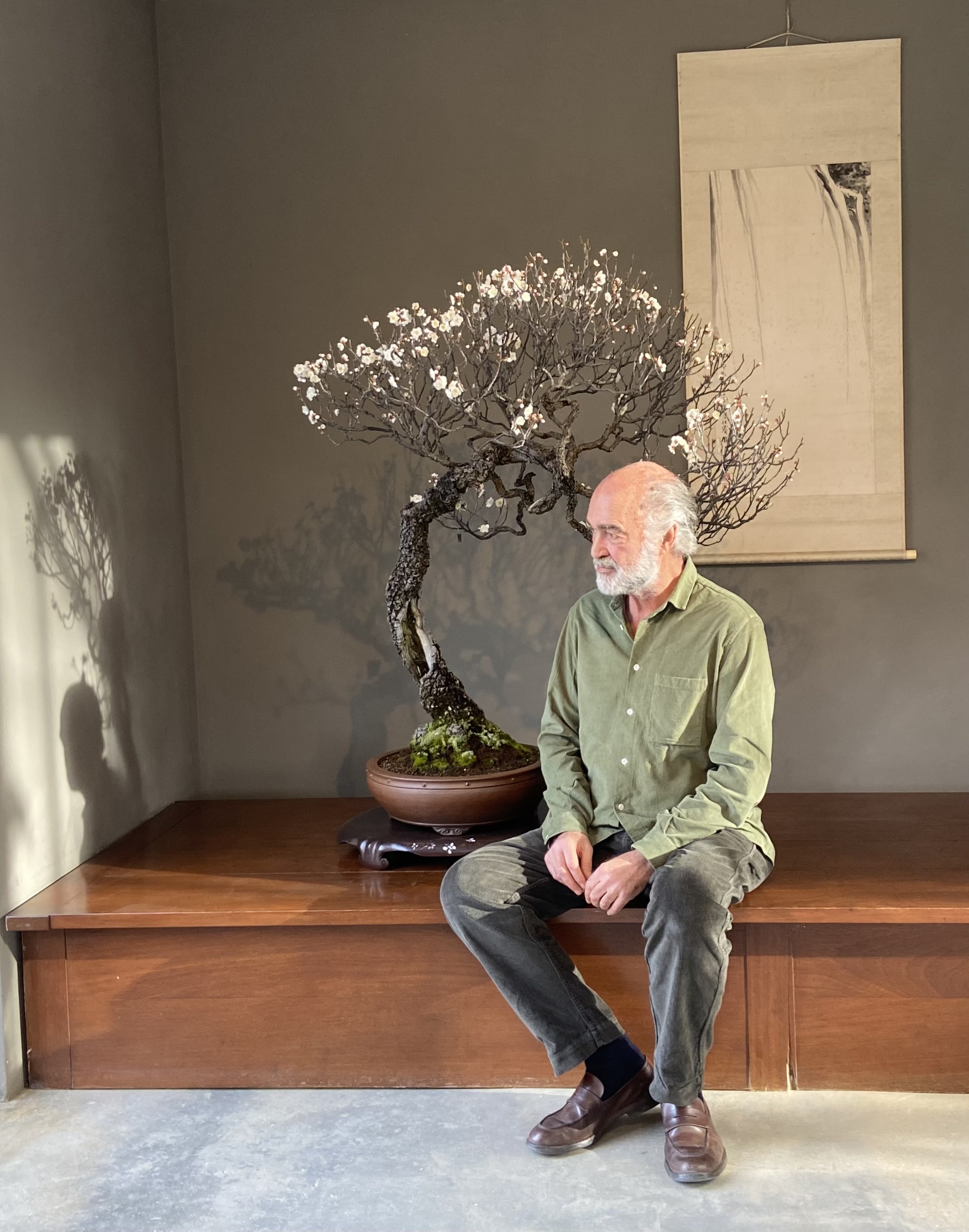
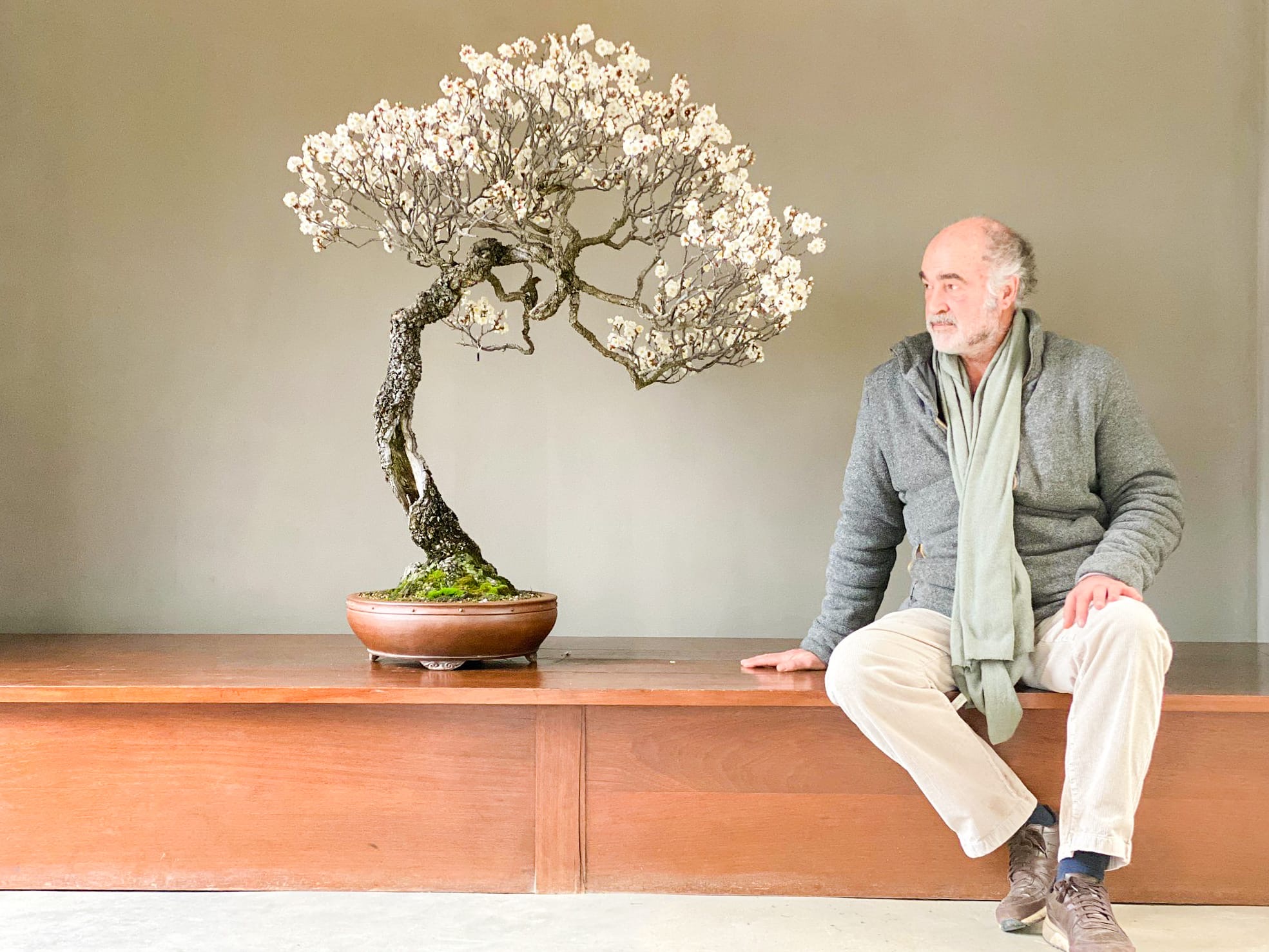
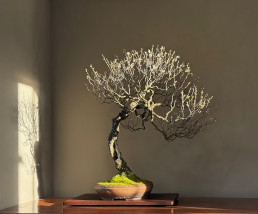
Ayer durante un rato salió el sol, el tiempo justo para hacer esta foto.
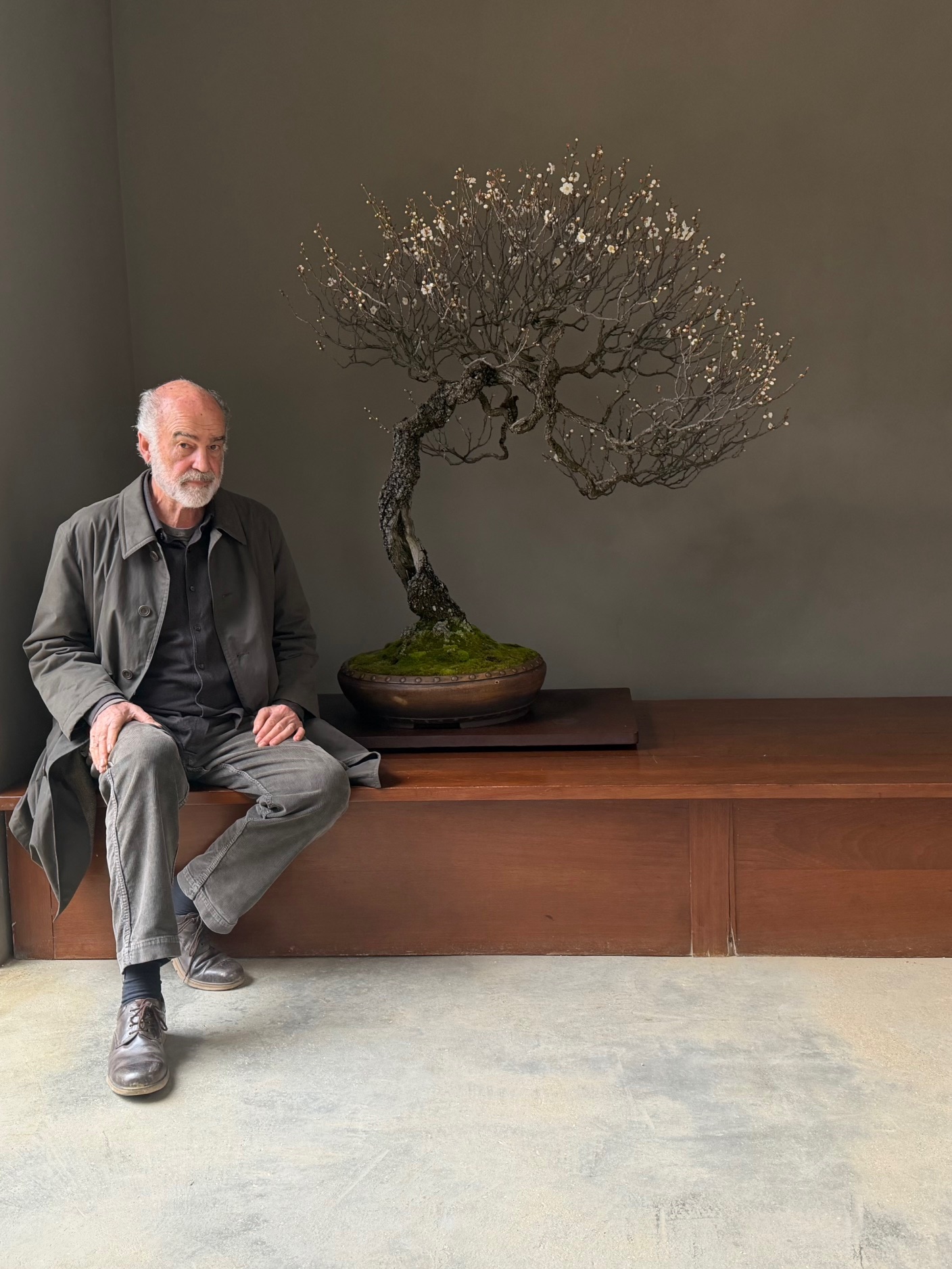
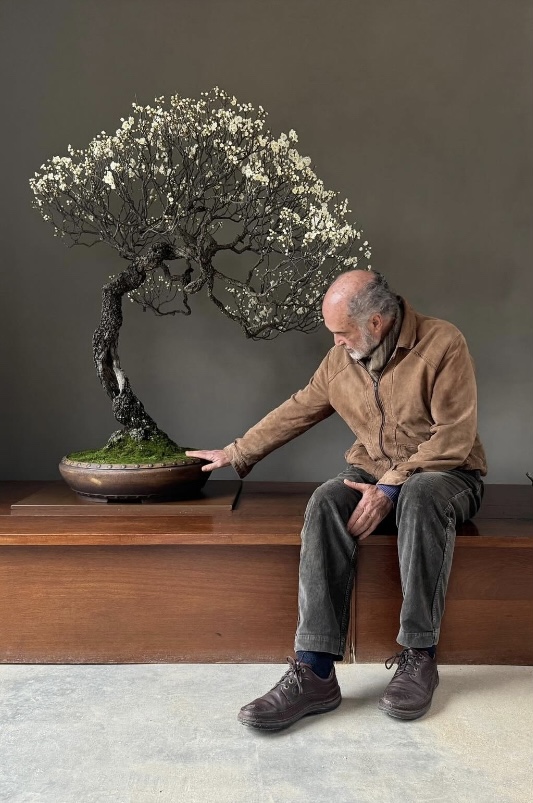
El Tokonoma de febrero no puede estar dedicado a otro árbol. El ume que vino del jardín de Sinji Suzuki; uno de los árboles más especiales de la colección y uno de los preferidos de Luis.
Hace tiempo que empezamos la tradición de fotografiarles juntos por su cumpleaños y con el tiempo parece como si se hubieran sincronizado, el ume no florece hasta que llega el cumpleaños de Luis. Los otros dos prunus mume de la colección ya perdieron la flor.
Algunos dicen que es la variedad, la edad, el lugar del jardín en el que está…yo prefiero pensar que existe un vínculo invisible entre ellos y que el ume espera todos los años para felicitar a Luis con sus flores.
Hoy todavía Luis no ha llegado, así que aquí está esperándolo.
Yesterday the sun was out for a while, just long enough to take this photo.
February’s Tokonoma could not be dedicated to any other tree.The ume that came from the garden of Sinji Suzuki; one of the most special trees in the collection and one of Luis’ favourites.
Some time ago we started the tradition of photographing them together for his birthday and over the years it seems as if they have synchronised, the ume does not flower until Luis’s birthday arrives. The other two prunus mume in the collection have already lost their flowers.
Some say it is the variety, the age, the place in the garden where it is… I prefer to think that there is an invisible link between them and that the ume waits every year to congratulate Luis with its flowers.
Today Luis hasn’t arrived yet so here he is waiting for him.