Marcescencia/Marcescence
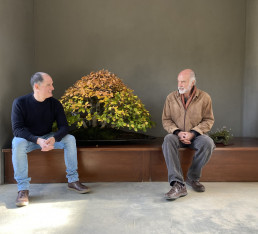
Esta semana vino a vernos Patxi; dejó el grandioso otoño de Irati para venir a ver el nuestro, algo más pequeño.
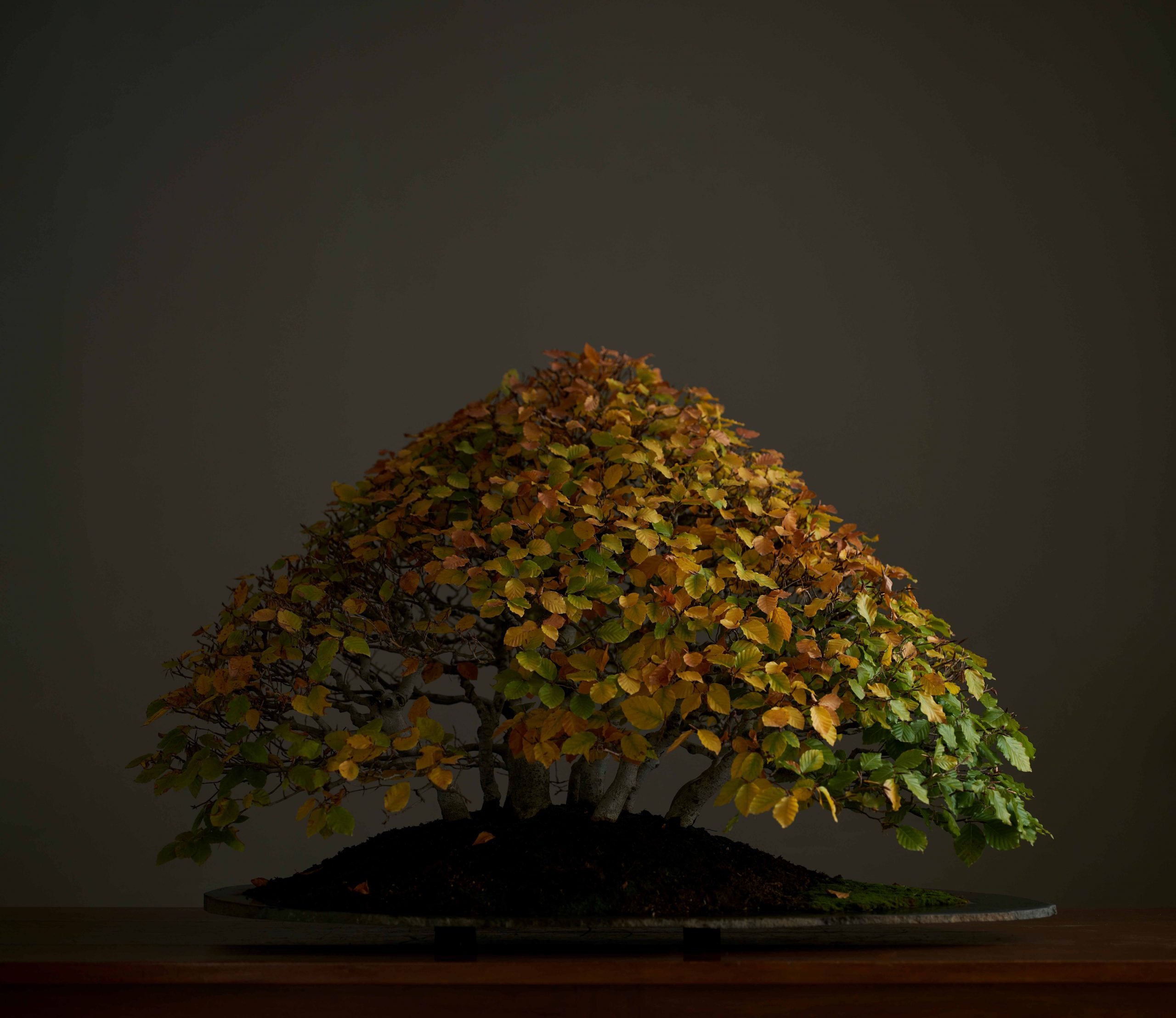
Y es que, si ya casi todos los caducos han perdido sus hojas, las hayas y los robles se empeñan en mantenerlas. Es el enigmático fenómeno de la marcescencia, un fenómeno por el cual algunos árboles retienen sus hojas en las ramas durante todo el invierno. Hay varias teorías para explicarlo; que mantienen las hojas para proteger de las heladas las yemas del año siguiente o para proteger las ramas y los brotes del ramoneo de los animales, ya que las hojas secas tienen mal sabor. También se especula con que, al desprenderse de las hojas en primavera, el árbol libera al suelo los nutrientes que contienen justo cuando más los necesita. Sea cual sea el motivo….
Caminar por la selva de Irati, en Navarra,
al final del invierno, con las hojas
marcescentes cubriendo ya el suelo y
reflejando la luz declinada del atardecer,
produce un sentimiento indefinible
“a los pinos el viento”
Luis Vallejo
This week Patxi came to see us; he left the great autumn of Irati to come and see ours, a little smaller.
And the fact is that, if almost all the deciduous trees have already lost their leaves, the beech and oak trees insist on keeping them. It is the enigmatic phenomenon of marcescence, a phenomenon by which some trees retain their leaves on their branches throughout the winter. There are several theories to explain it, that they keep the leaves to protect the following year’s buds from frost or to protect the branches and shoots from being browsed by animals, as dry leaves have a bad taste. There is also speculation that by shedding the leaves in spring, the tree releases the nutrients they contain into the soil just when it needs them most. Whatever the reason….
Walking through the Irati rain forest in Navarre,
in the late winter, with the marcescent leaves now
covering the ground and reflecting the fading light
of dusk, arouses an undefinable feeling.
The Wind among the Leaves
Luis Vallejo

Pino negro del Pirineo/Pyrenean mountain pine
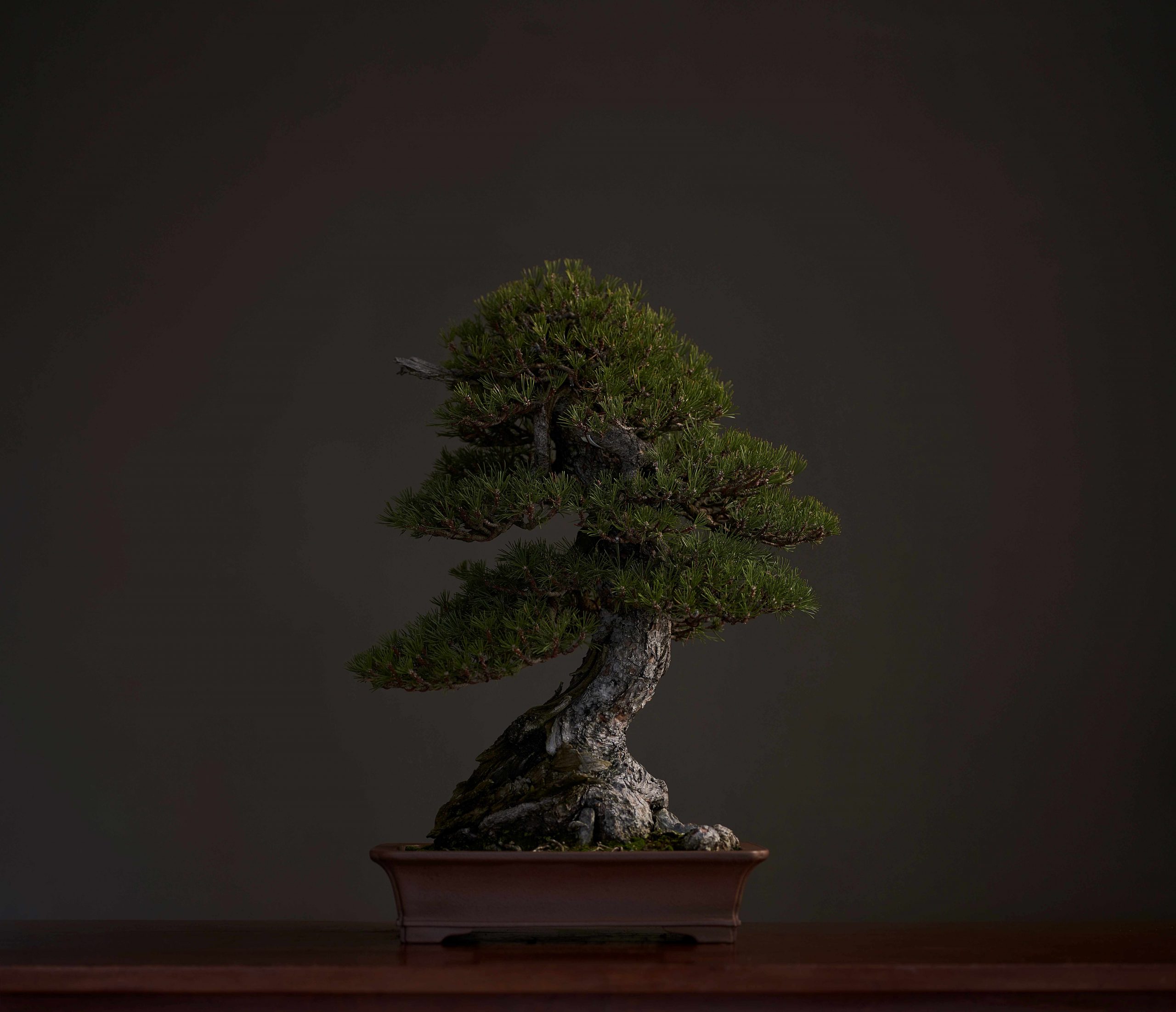
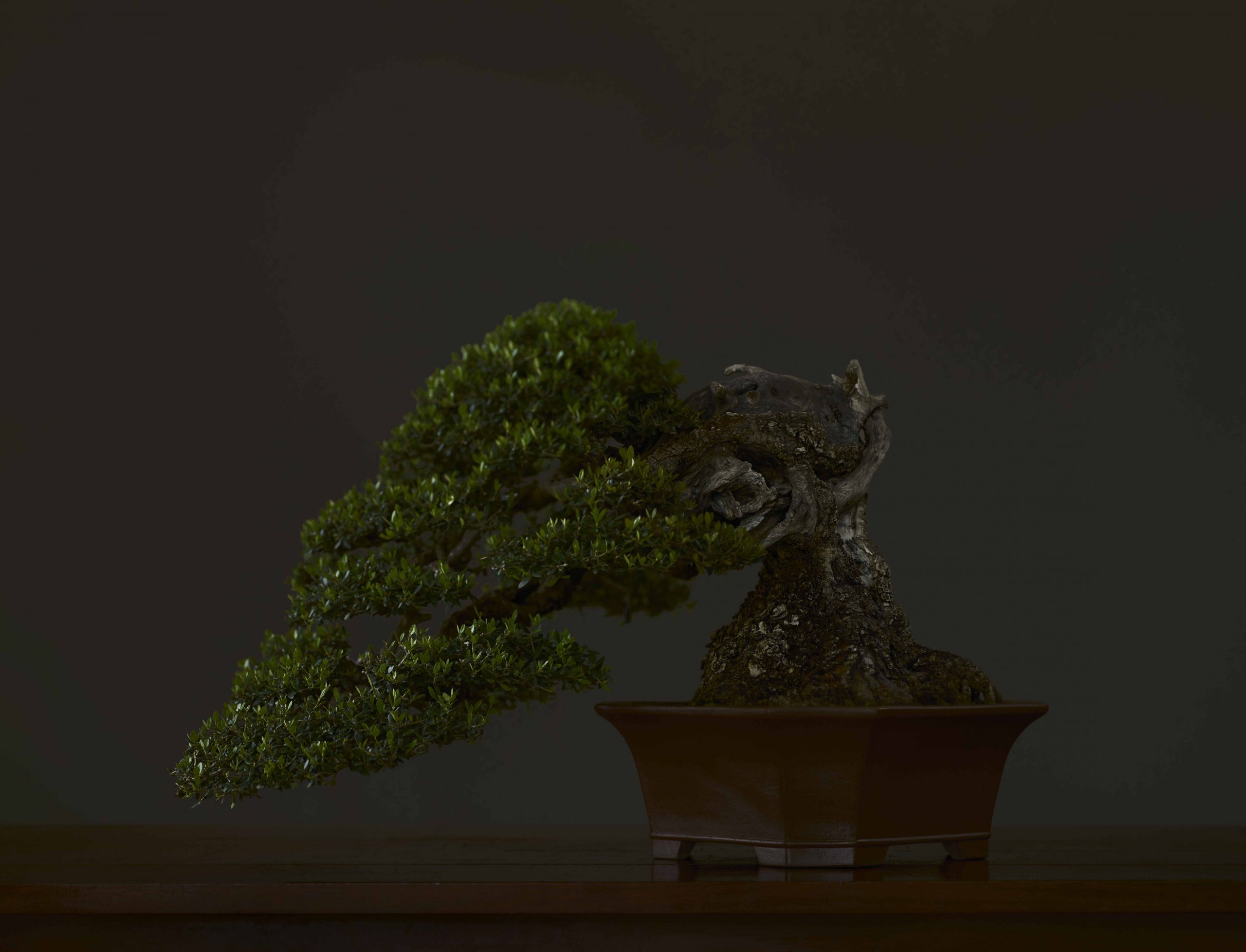
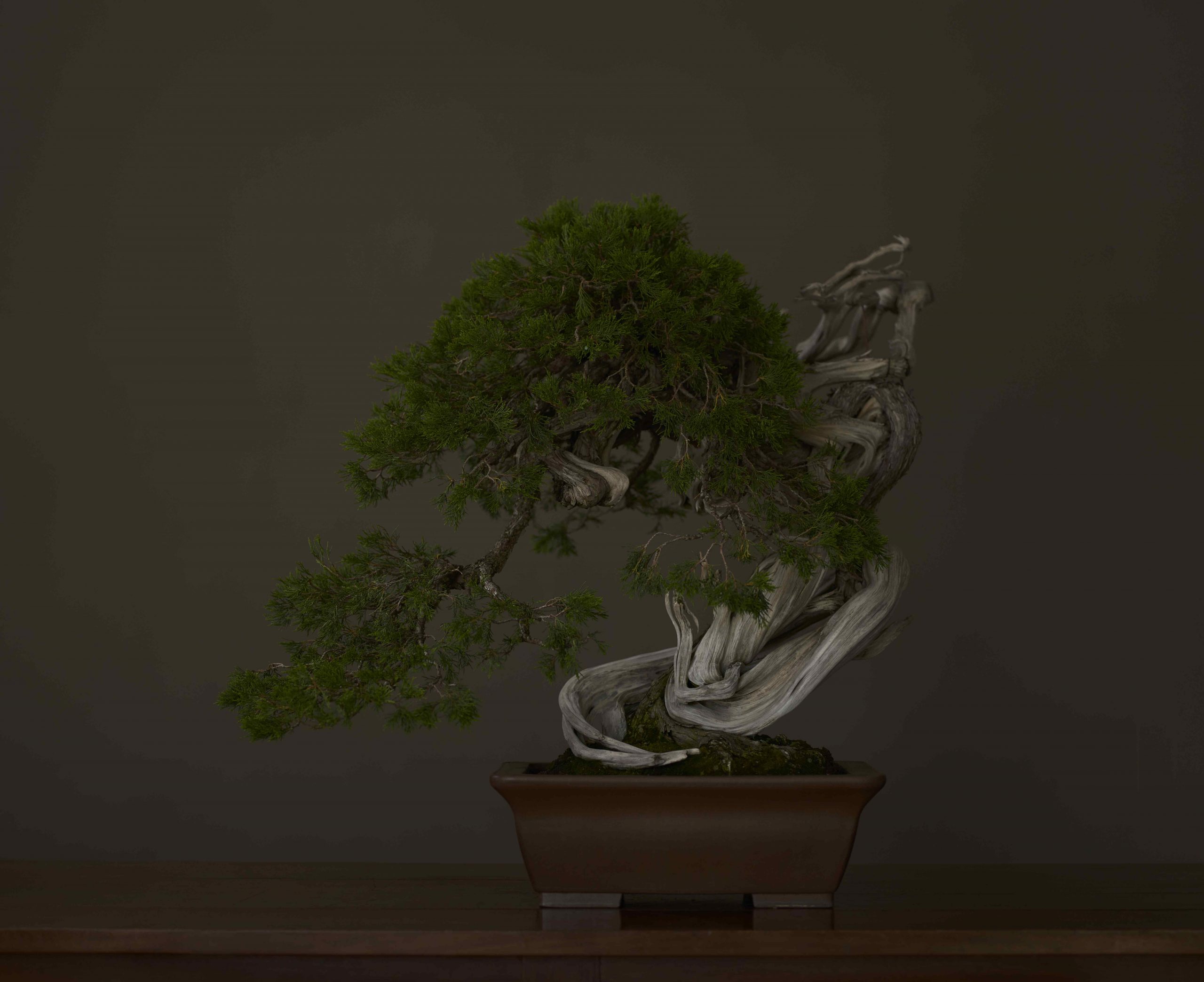
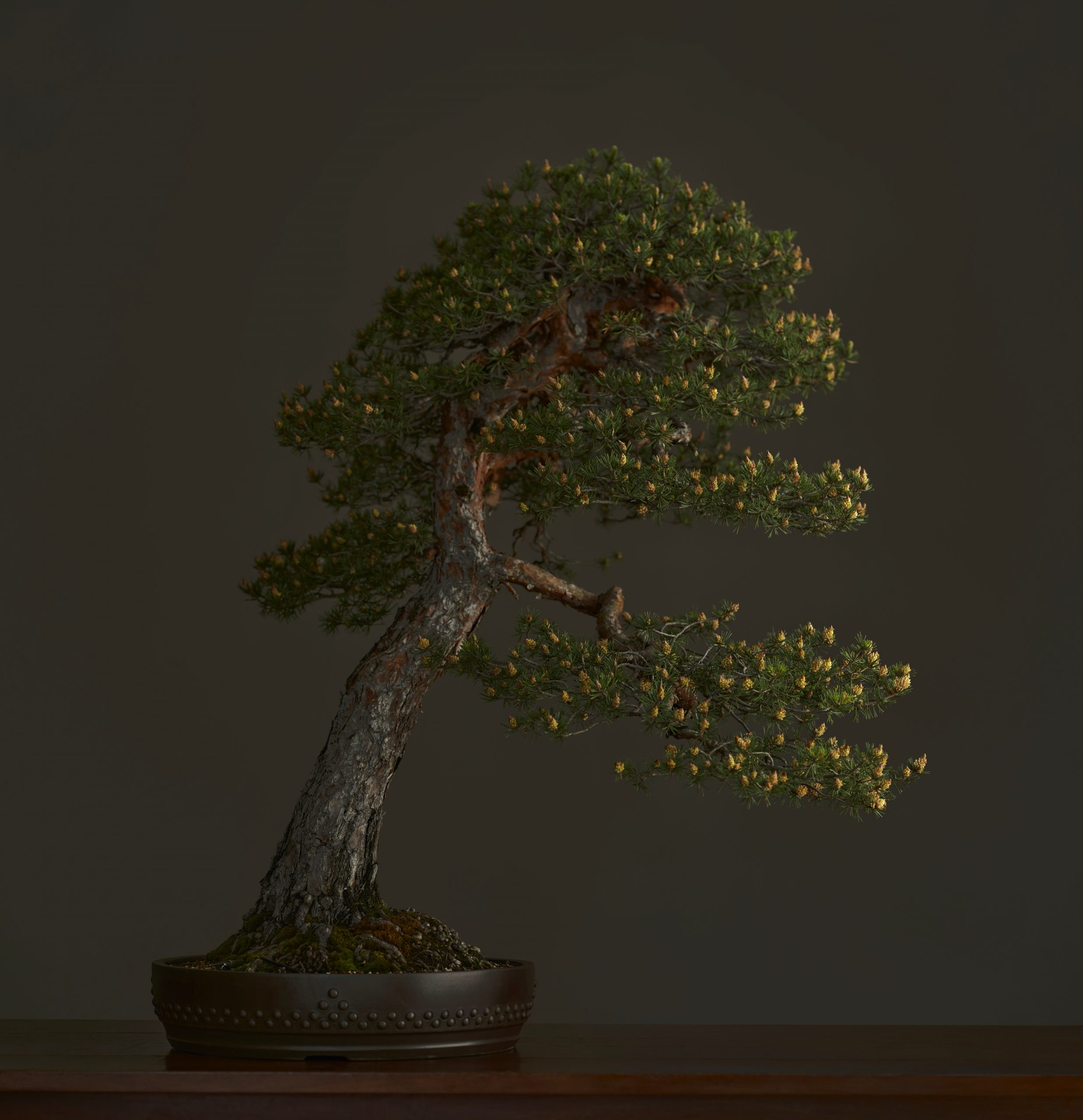
En una semana complicada en gran parte de España, un pequeño homenaje a nuestros paisajes y a nuestros árboles; olivos, encinas, alcornoques, sabinas, hayas, robles, pinos…
Pino negro del Pirineo.
En los altos pirenaicos de Belagua van
cojeando los rebaños de ovejas lachas entre
pinos negros, sobre un terreno kárstico
repleto de agujeros.
“a los pinos el viento”. Luis Vallejo
fotografía Fernando Maquieira.
In what has been a difficult week in much of Spain, here is a small tribute to our landscapes and our trees: olive trees, holm oaks, cork oaks, junipers, beeches, oaks, pines…
Pyrenean mountain pine.
In the pyrenean heights of Belagua the flocks
of Latxa sheep hobble along among black pines
over a Karstic terrain full of holes.
“The Wind among the Leaves”. Luis Vallejo
Photograph Fernando Maquieira.

Los árboles/The trees


Los árboles
El bonsái es una forma de mirar. Cuando miras un bonsái, vuelves a un lugar en el que una vez viste un árbol; la higuera que crecía en el patio de una casa, un pino descolgándose de un acantilado recuerdo de un viaje por carretera, las encinas de una dehesa por la que solías pasear o la primera vez que entraste en un hayedo…
Cada árbol nos lleva al lugar del que viene, nos lleva de vuelta a la naturaleza, al momento que vivimos en ella. Cuando nos visitan personas mayores nos damos cuenta de lo importante que han sido los árboles en sus vidas. Todos tienen algún recuerdo relacionado con ellos, se emocionan recordando.
La parte que corresponde a este arte es captar la esencia del árbol, provocar esa emoción, ese recuerdo. La otra parte, nos corresponde a todos; hacer posible que las generaciones futuras sigan teniendo recuerdos ligados a los árboles, a la naturaleza.
El haya, el árbol madre, mi árbol más querido. Sus hojas al caer y acumularse, producen el suelo más fértil.
Luis Vallejo. «a los pinos el viento»
The trees
Bonsai is a way of looking. When you look at a bonsai, you go back to a place where you once saw a tree; the fig tree that grew in the courtyard of a house, a pine tree overhanging a cliff that reminds you of a road trip, the holm oaks in a dehesa where you used to walk, or the first time you entered a beech forest…
Each tree takes us back to the place it came from, it takes us back to nature, to the moment we lived in it. When older people visit us we realise how important trees have been in their lives. They all have some memory related to them, they are moved by remembering.
The part that corresponds to this art is to capture the essence of the tree, to provoke emotion. The other part is up to all of us; to make it possible for future generations to continue to have memories linked to trees, to nature.
The beech, the mother-tree, the tree dearest to me. Its fallen, piled-up leaves produce the most fertile soil.
Luis Vallejo. «The Wind Among the Leaves»