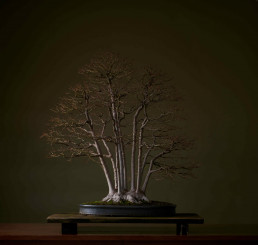
un bosque
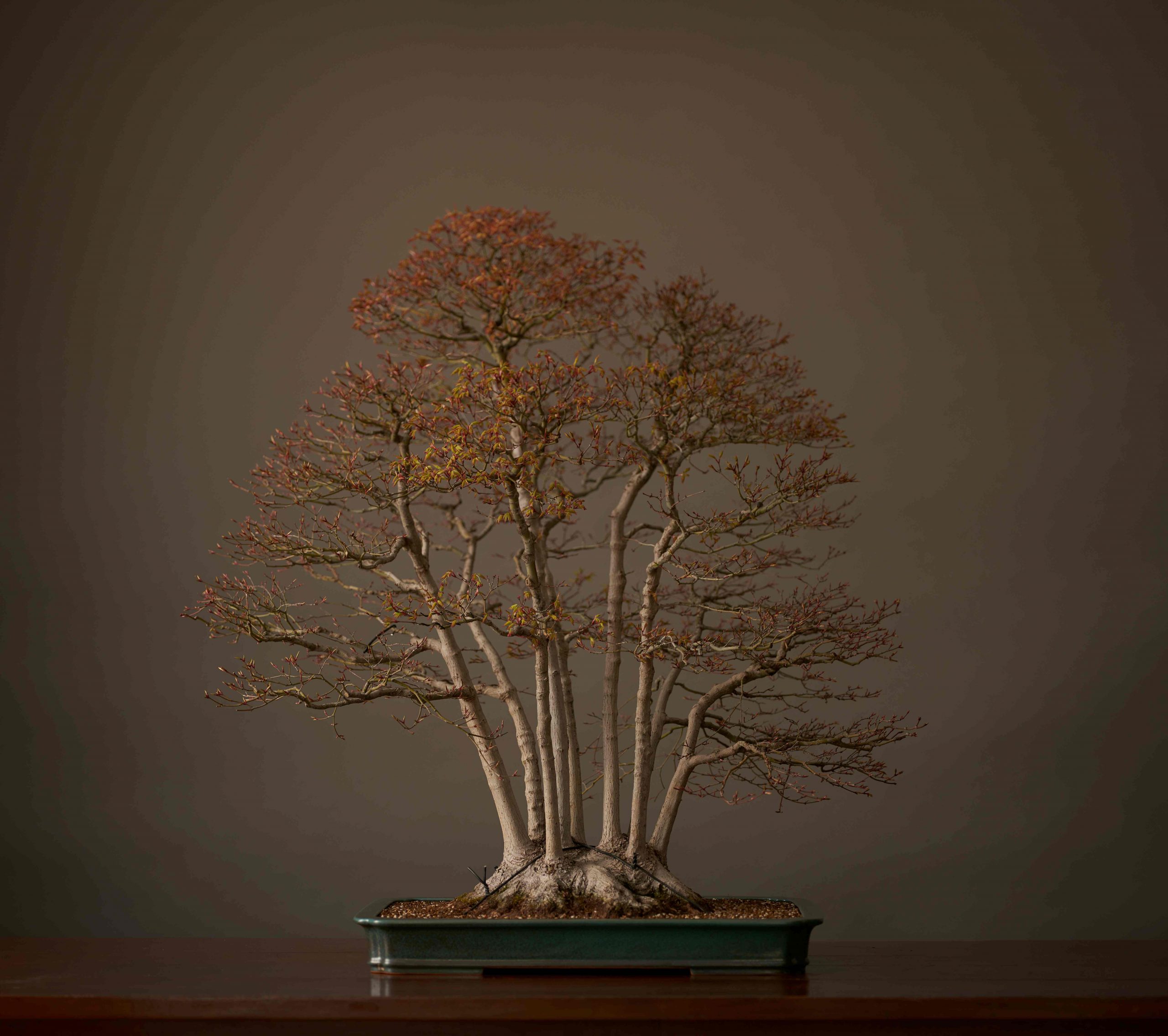
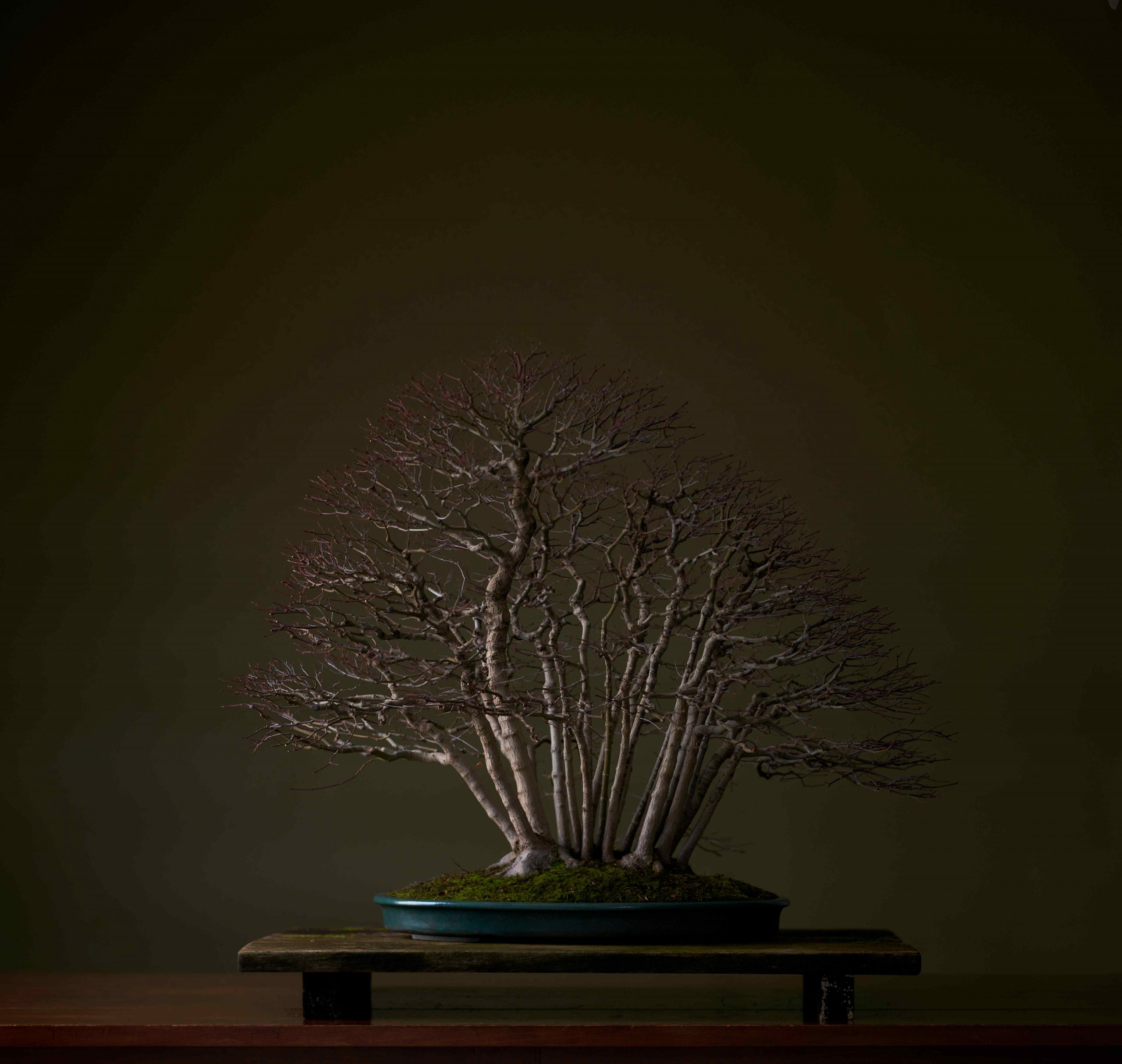
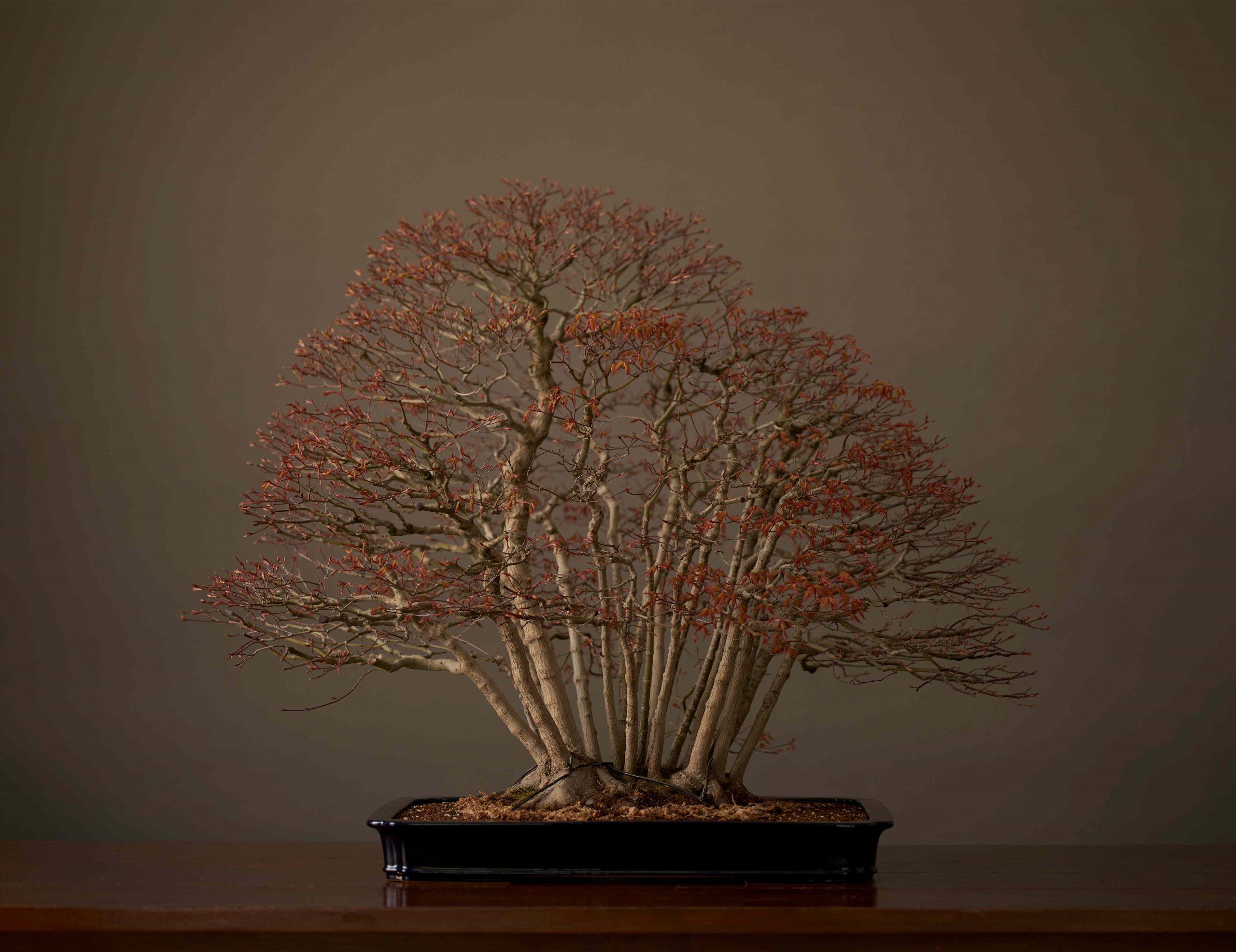
En la colección tenemos muchos bosques de muy distintas especies. Cada uno es un mundo; no solo porque entre si son muy diferentes si no porque son en si un micro mundo. Tienen una presencia muy diferente a la de un ejemplar solitario.
Existen estudios muy interesantes sobre como interactúan los bosques en la naturaleza, como sus conexiones entrelazadas por el suelo le hacen capaces de colaborar y comunicarse. Si siempre se pensó que los árboles de un bosque competían por los recursos; nutrientes, agua, luz…estos estudios hablan de que en realidad los comparten, hablan de individuos que se relacionan.
Parece que no solo comparten nutrientes; son capaces de comunicarse y avisar de plagas o amenazas. Cuentan que una arboleda de acacias en Africa aumentó la toxicidad de sus hojas cuando los antílopes se comieron las hojas de sus árboles periféricos.
…pero eso ya lo sabía Mario Benedetti:
El bosque crea
nidos, juncos, en fin
vocabulario.
In the collection we have many forests of very different species. Each one is a micro world. They have a very different presence from a single specimen.
There are very interesting studies on how forests interact in nature, how their intertwined connections through the soil make them able to collaborate and communicate. If it was always thought that the trees in a forest competed for resources; nutrients, water, light… these studies show that they actually share them, they talk about individuals that relate to each other.
But it seems they not only share nutrients; they are able to communicate and warn of pests or threats. It is said that an acacia grove in Africa increased the toxicity of its leaves when antelopes ate the leaves of its peripheral trees.
…but Mario Benedetti already knew that:
The forest creates nests
bulrushes in short
vocabulary.

Giacometti
“Una exposición de Giacometti es un pueblo. Esculpe unos hombres que se cruzan por
una plaza sin verse; están solos sin remedio y, no obstante, están juntos”. Jean Paul Sartre
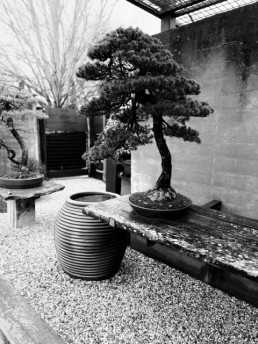
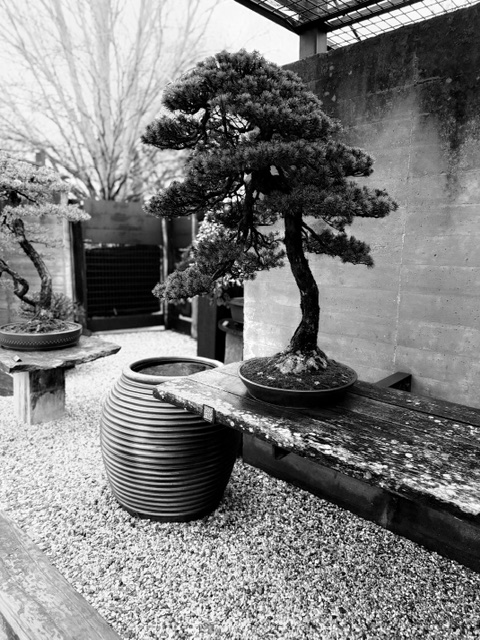
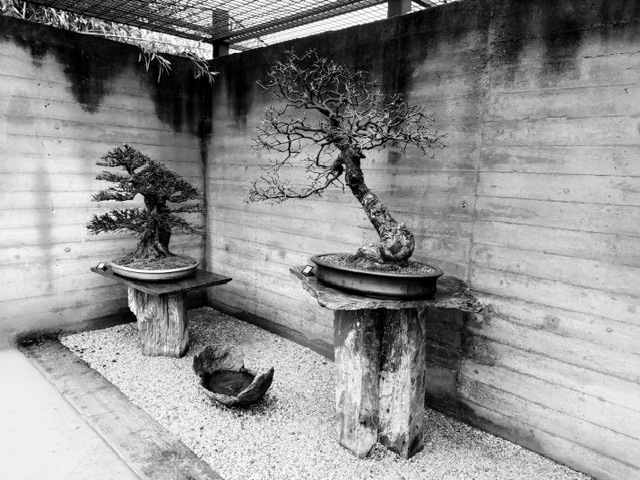
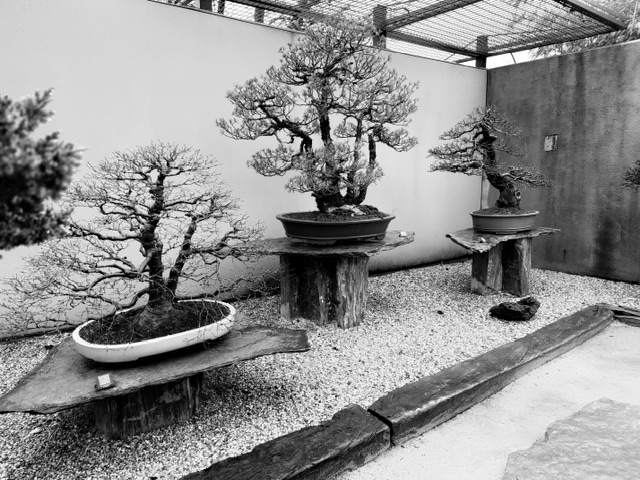
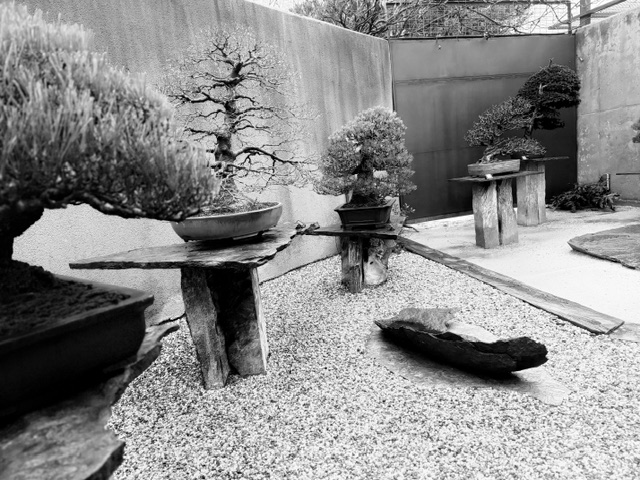
Estos días de invierno los árboles descansan expuestos a la intemperie, su presencia se intuye mientras recorres el jardín, la lluvia los hace todavía más presentes, más visibles. Cada uno en su pedestal, solos y sin embargo como en la exposición de Giacometti; juntos.
Mas que en ninguna otra estación, durante el invierno, son más escultura que árbol y el jardín, sin las distracciones de otras estaciones, es más exposición que jardín.
«An exhibition by Giacometti is a village. He sculpts men crossing each other’s paths in a a square without seeing each other; they are hopelessly alone and yet they are together». Jean Paul Sartre
These winter days the trees rest exposed to the elements, their presence is sensed as you walk through the garden, the rain makes them even more present, more visible. Each one on its own pedestal, alone and yet, as in Giacometti’s exhibition, together.
More than in any other season, during the winter, they are more sculpture than tree and the garden, without the distractions of other seasons, is more exhibition than garden.
Luis y el ume
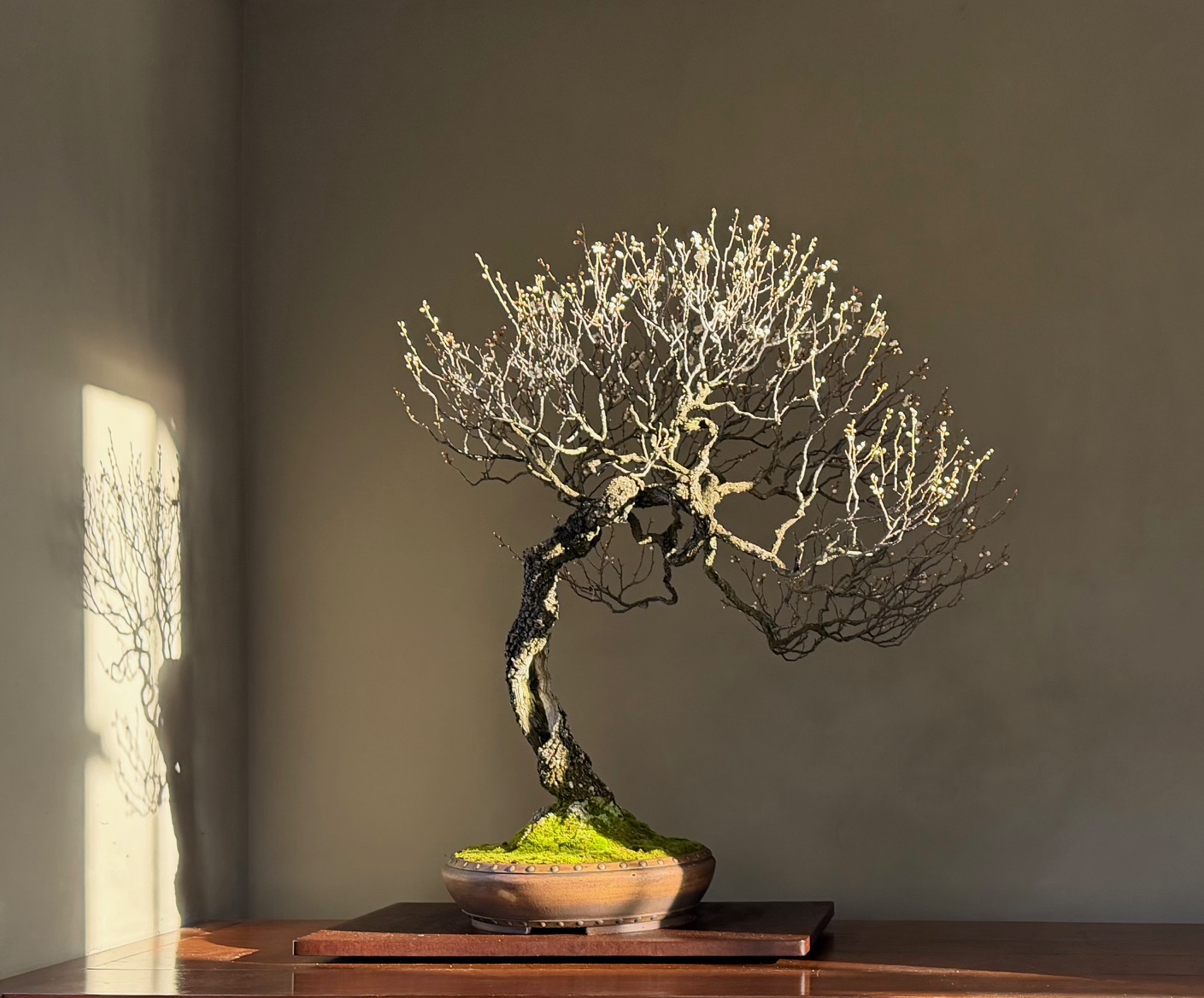
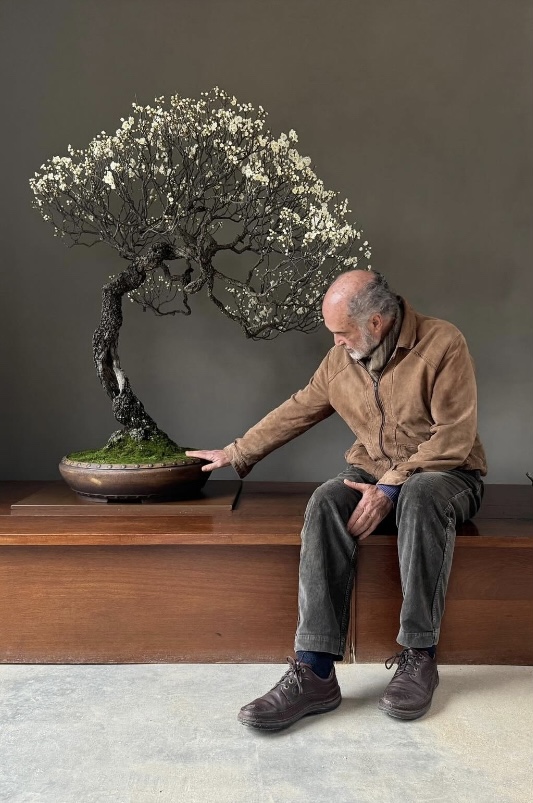
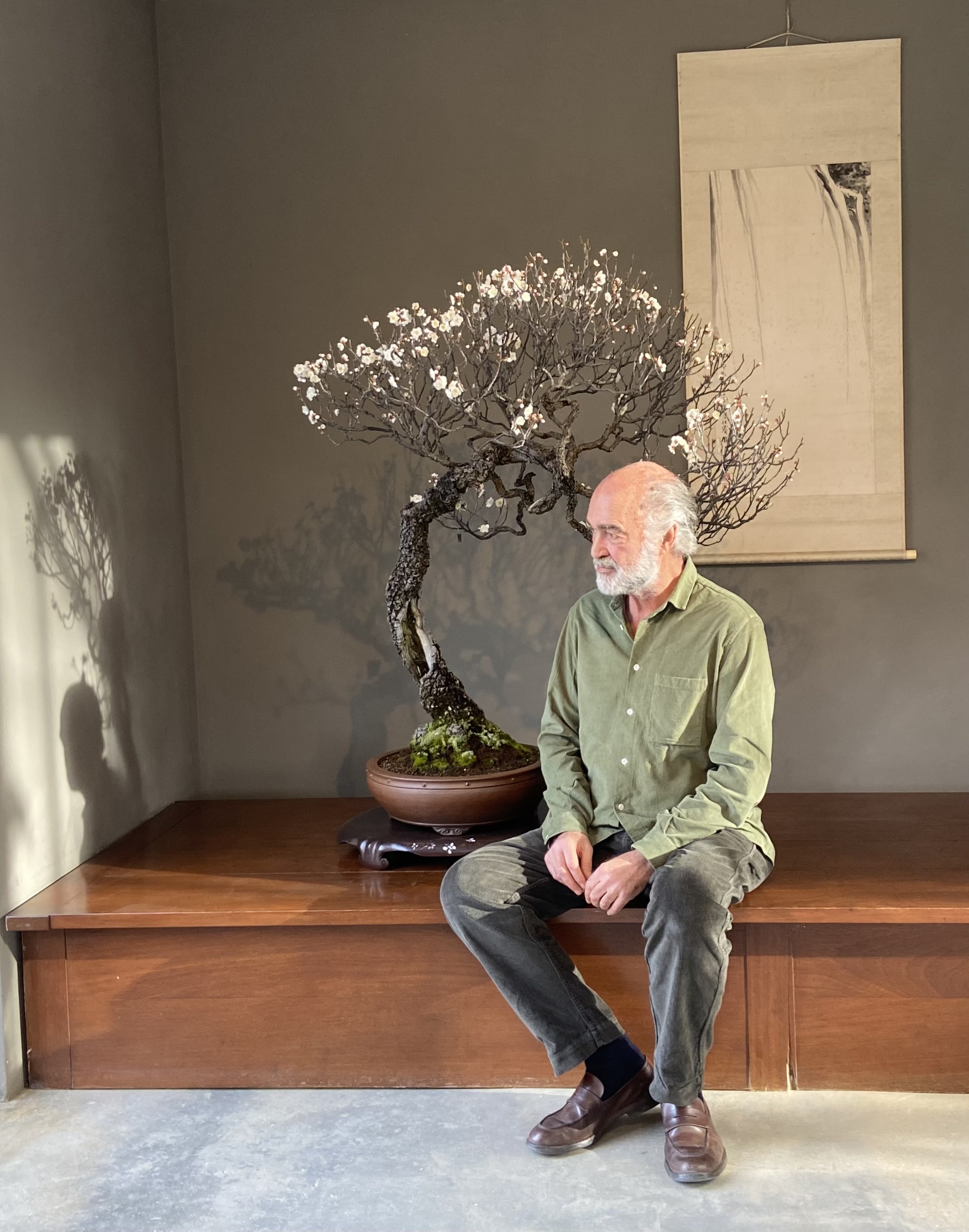
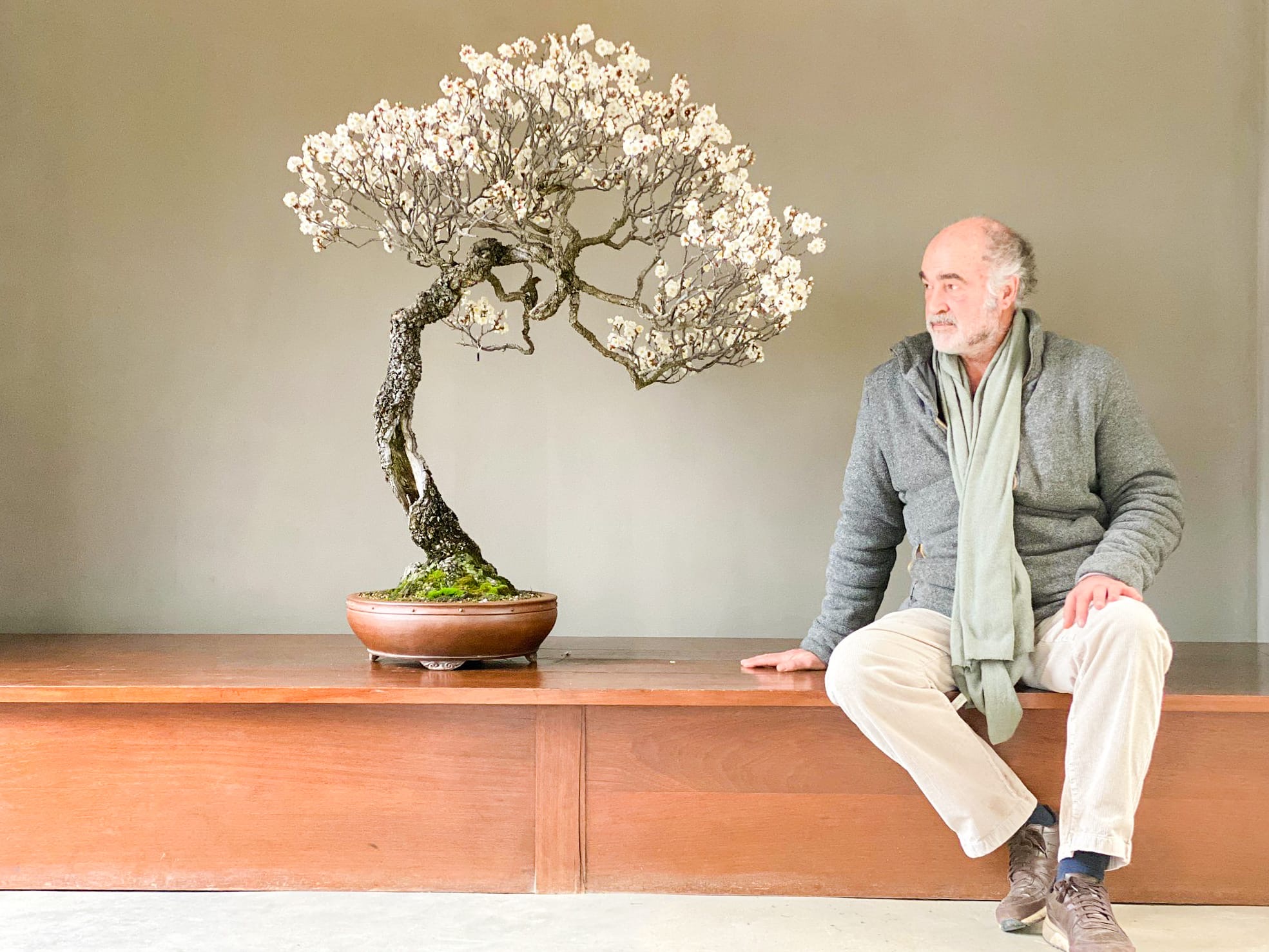
Ayer durante un rato salió el sol, el tiempo justo para hacer esta foto.
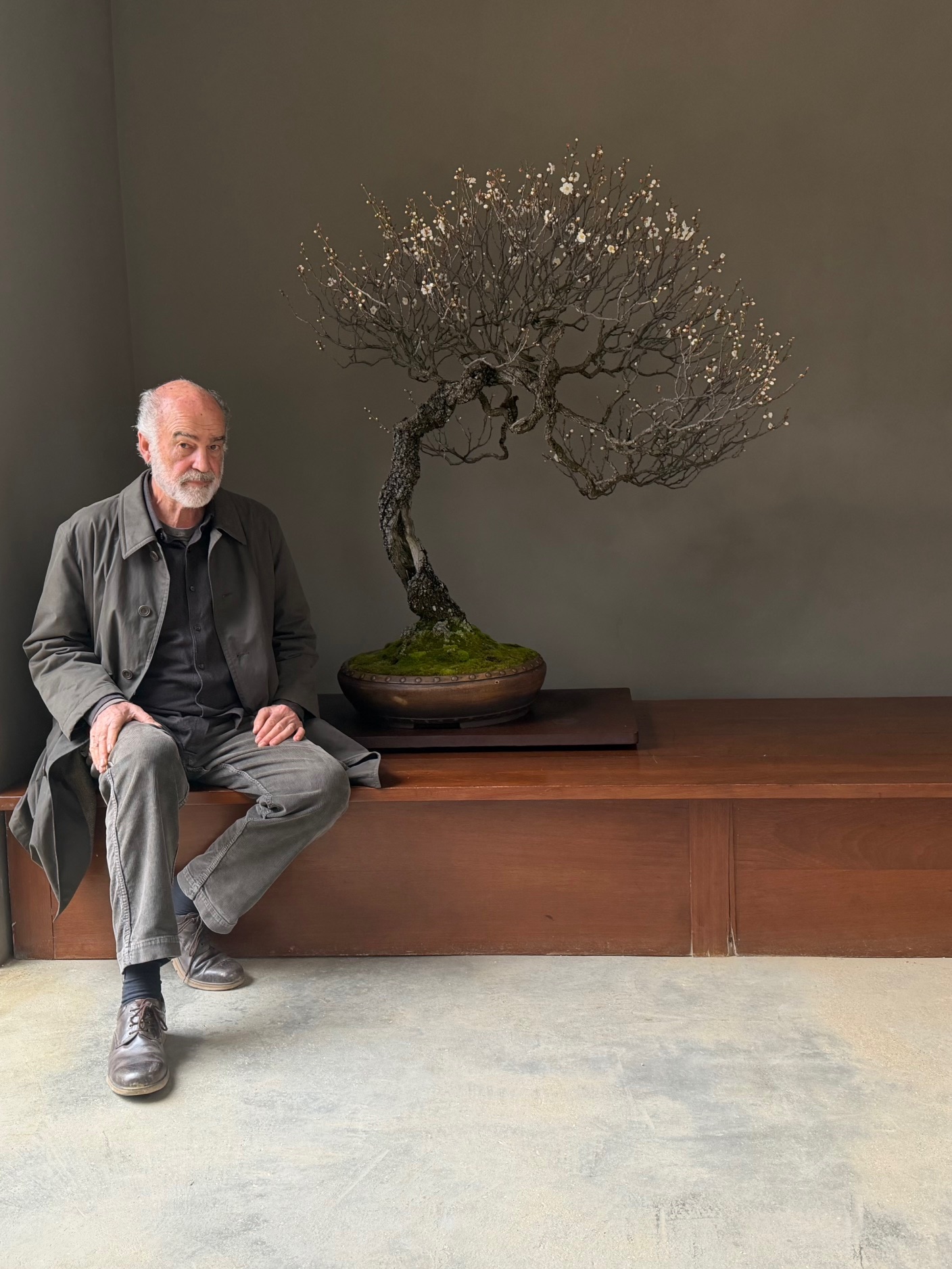
El Tokonoma de febrero no puede estar dedicado a otro árbol. El ume que vino del jardín de Sinji Suzuki; uno de los árboles más especiales de la colección y uno de los preferidos de Luis.
Hace tiempo que empezamos la tradición de fotografiarles juntos por su cumpleaños y con el tiempo parece como si se hubieran sincronizado, el ume no florece hasta que llega el cumpleaños de Luis. Los otros dos prunus mume de la colección ya perdieron la flor.
Algunos dicen que es la variedad, la edad, el lugar del jardín en el que está…yo prefiero pensar que existe un vínculo invisible entre ellos y que el ume espera todos los años para felicitar a Luis con sus flores.
Hoy todavía Luis no ha llegado, así que aquí está esperándolo.
Yesterday the sun was out for a while, just long enough to take this photo.
February’s Tokonoma could not be dedicated to any other tree.The ume that came from the garden of Sinji Suzuki; one of the most special trees in the collection and one of Luis’ favourites.
Some time ago we started the tradition of photographing them together for his birthday and over the years it seems as if they have synchronised, the ume does not flower until Luis’s birthday arrives. The other two prunus mume in the collection have already lost their flowers.
Some say it is the variety, the age, the place in the garden where it is… I prefer to think that there is an invisible link between them and that the ume waits every year to congratulate Luis with its flowers.
Today Luis hasn’t arrived yet so here he is waiting for him.

Los tres amigos del invierno/ The three friends of winter
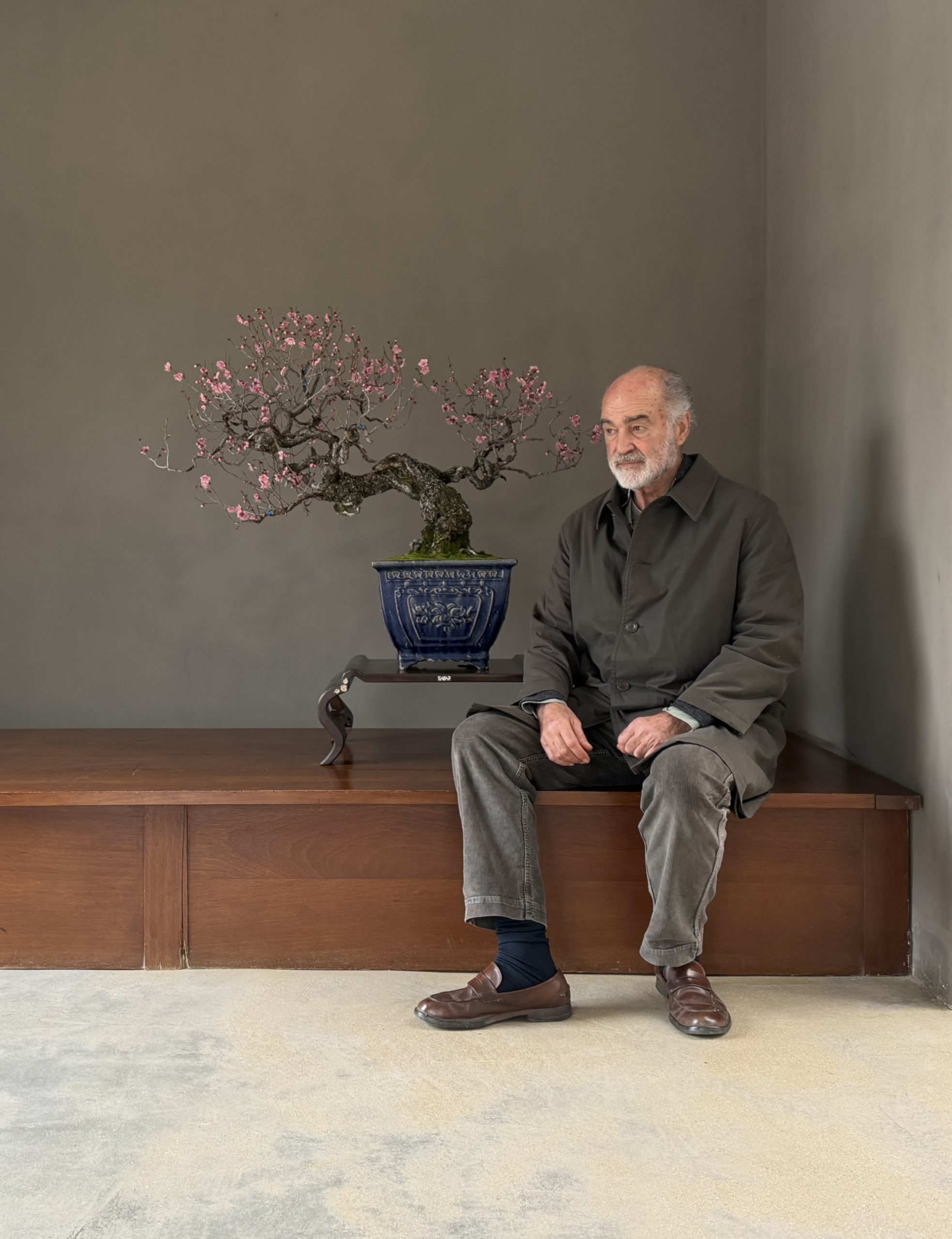
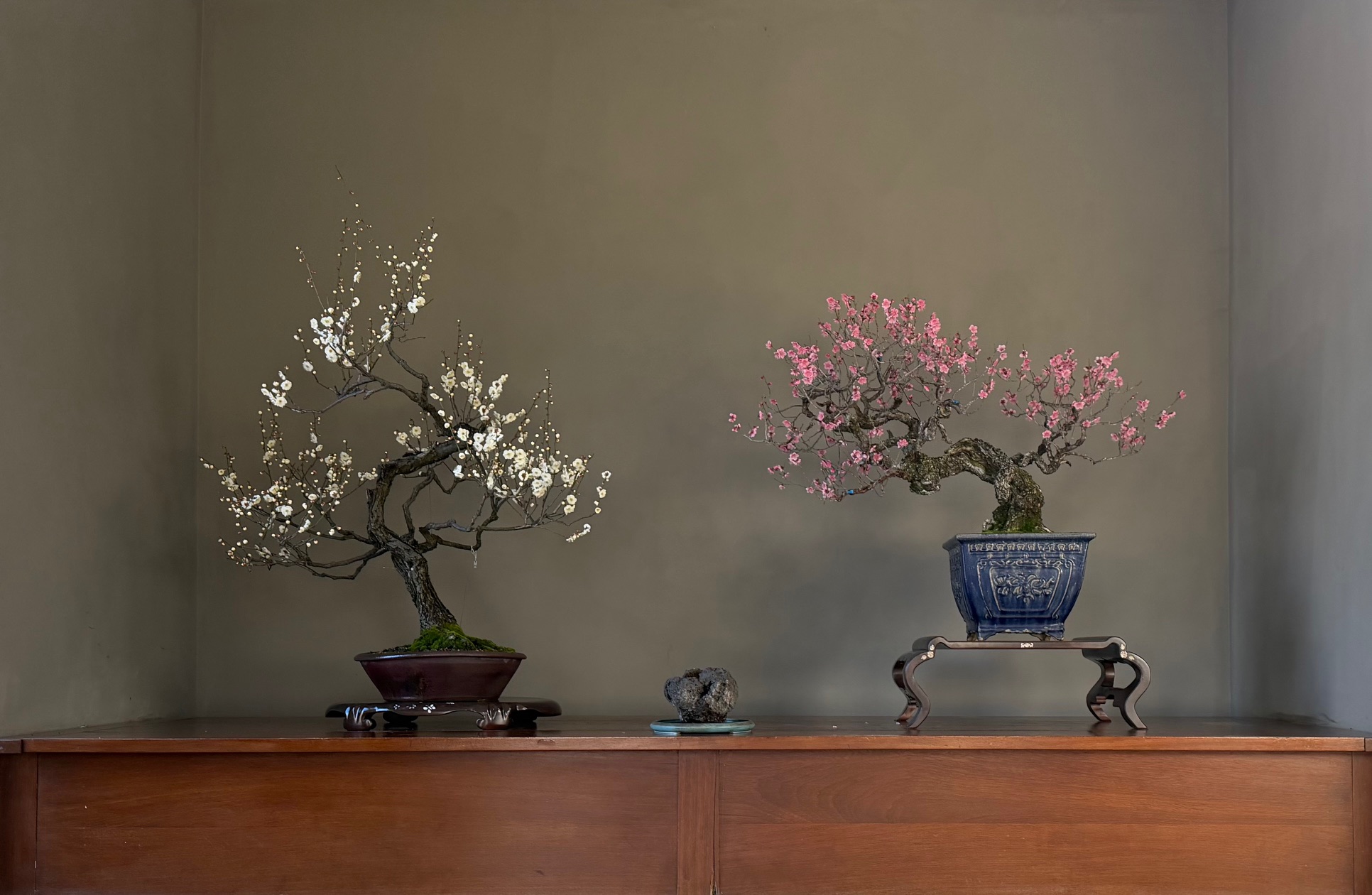
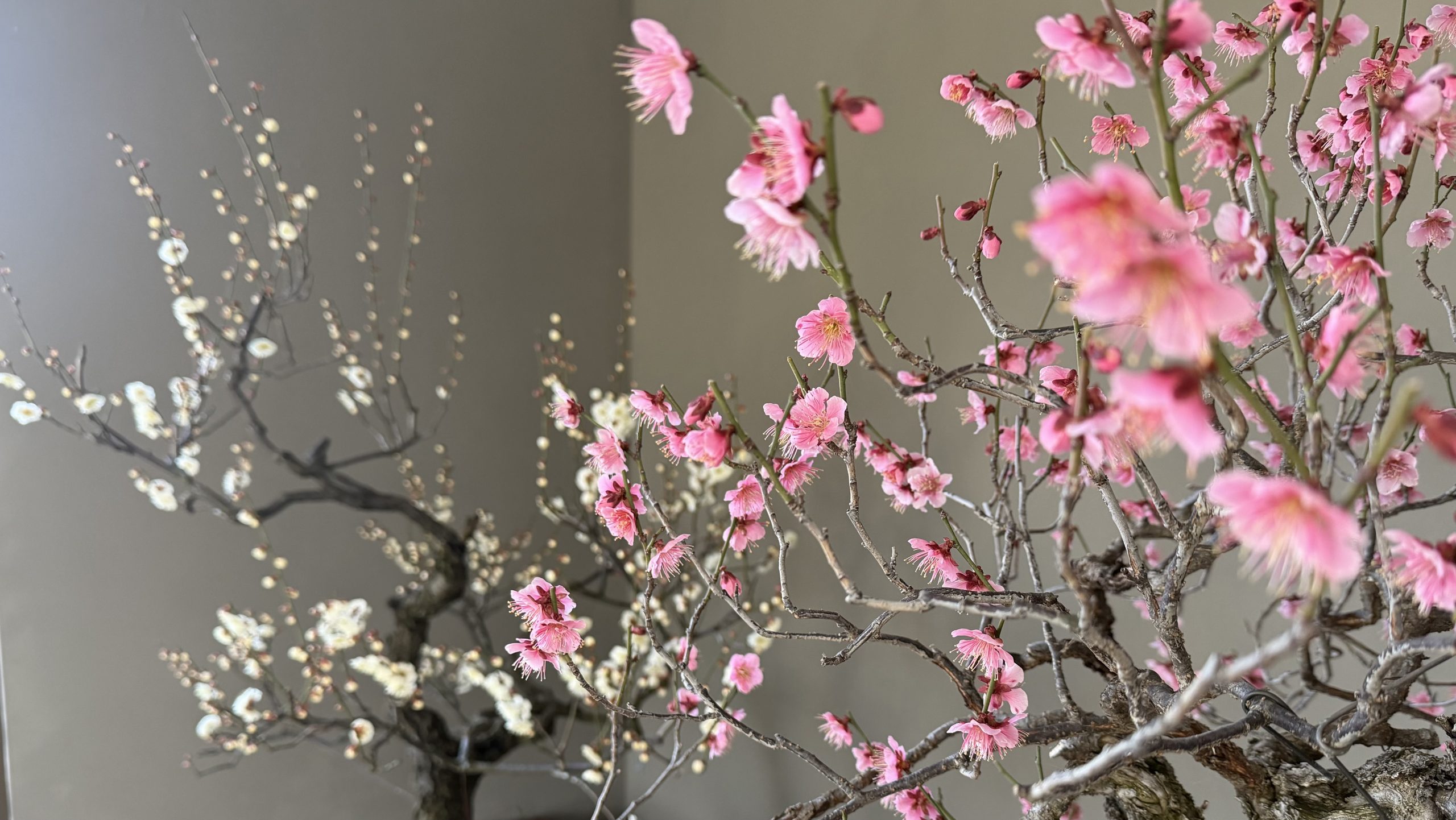
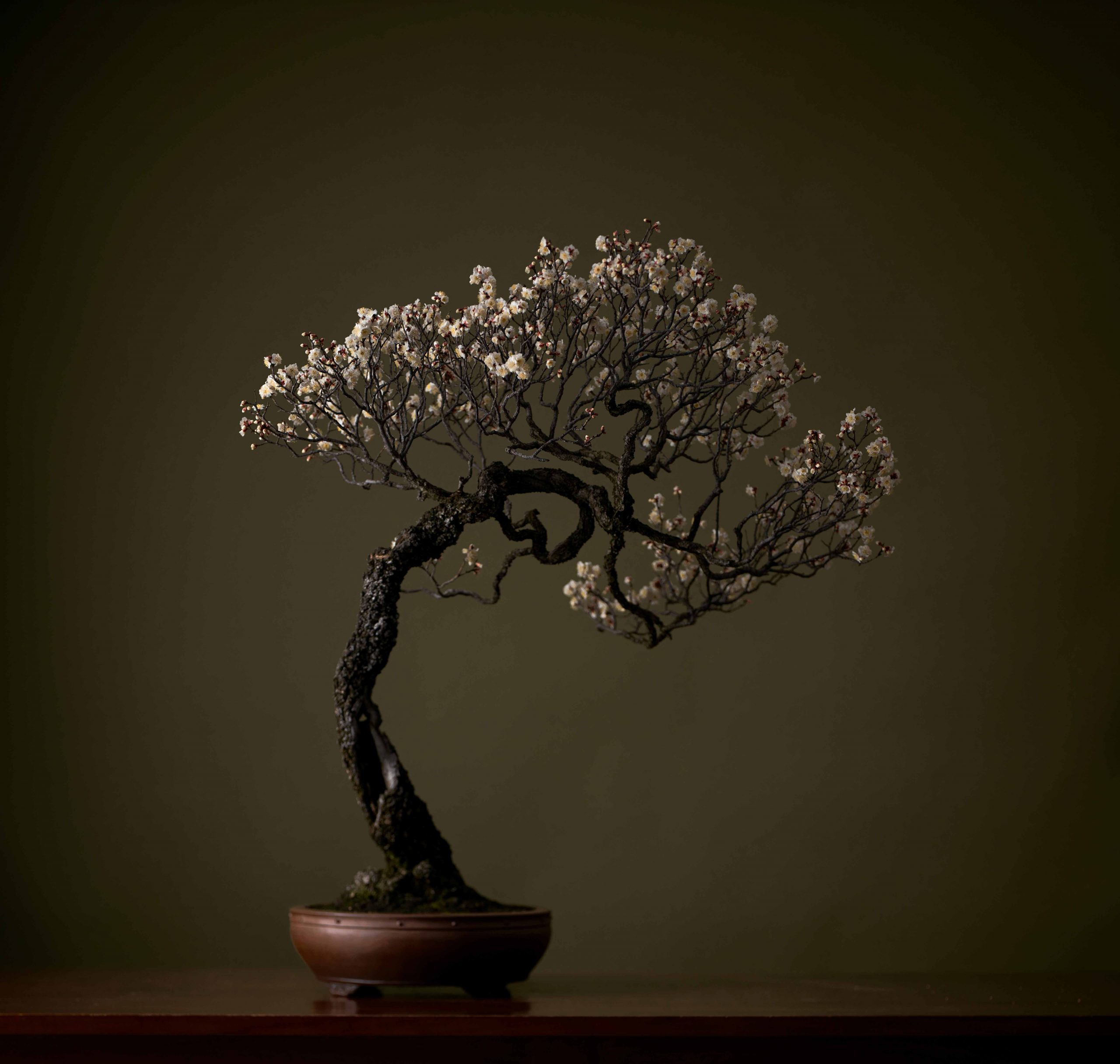
En Japón los tres amigos del invierno son el pino, el bambú y el prunus mume (albaricoquero de flor, conocido en Japón como ume). Aquí nuestros tres amigos en estos días son los tres prunus mume en flor. Sobre el ume se dice que representa la humildad en condiciones adversas y el triunfo de la virtud sobre las dificultades. Es un árbol que florece durante el invierno, y trae la esperanza de que pronto llegará la primavera. Con ellos esta semana tenemos un Tokonoma especial que perfuma la entrada al jardín.
Para completar la fiesta de los ume, hemos plantado un gran ejemplar en el jardín, es un esqueje de unos quince años del mume más conocido de nuestra colección. Un árbol muy viejo que vino hace ya muchos años del vivero de Sinji Suzuki. Hace algún tiempo nos planteamos hacerle una reproducción en bronce, ya que se trata de un árbol muy especial. Quizás un día la hagamos, pero de momento ya tenemos una parte suya en el jardín.
Esta fiesta dura lo que aguanten sus flores, aquí os esperamos
In Japan the three friends of winter are pine, bamboo and prunus mume (flowering apricot, known in Japan as ume). Here our three friends these days are the three flowering prunus mume. The ume is said to represent humility in adverse conditions and the triumph of virtue over hardship. It is a tree that blooms during the winter, and brings hope that spring will soon come. With them this week we have a special Tokonoma that perfumes the entrance to the garden.
To complete the ume party, we have planted a large specimen in the garden, a fifteen year old cutting of the best known mume in our collection. A very old tree that came many years ago from Sinji Suzuki’s nursery. Some time ago we considered making a bronze reproduction of it, as it is a very special tree. Maybe one day we will do it, but for the moment we already have a part of it in the garden.
This party lasts as long as the flowers resist, we are waiting for you here.
Arte y Ciencia/Art and Science
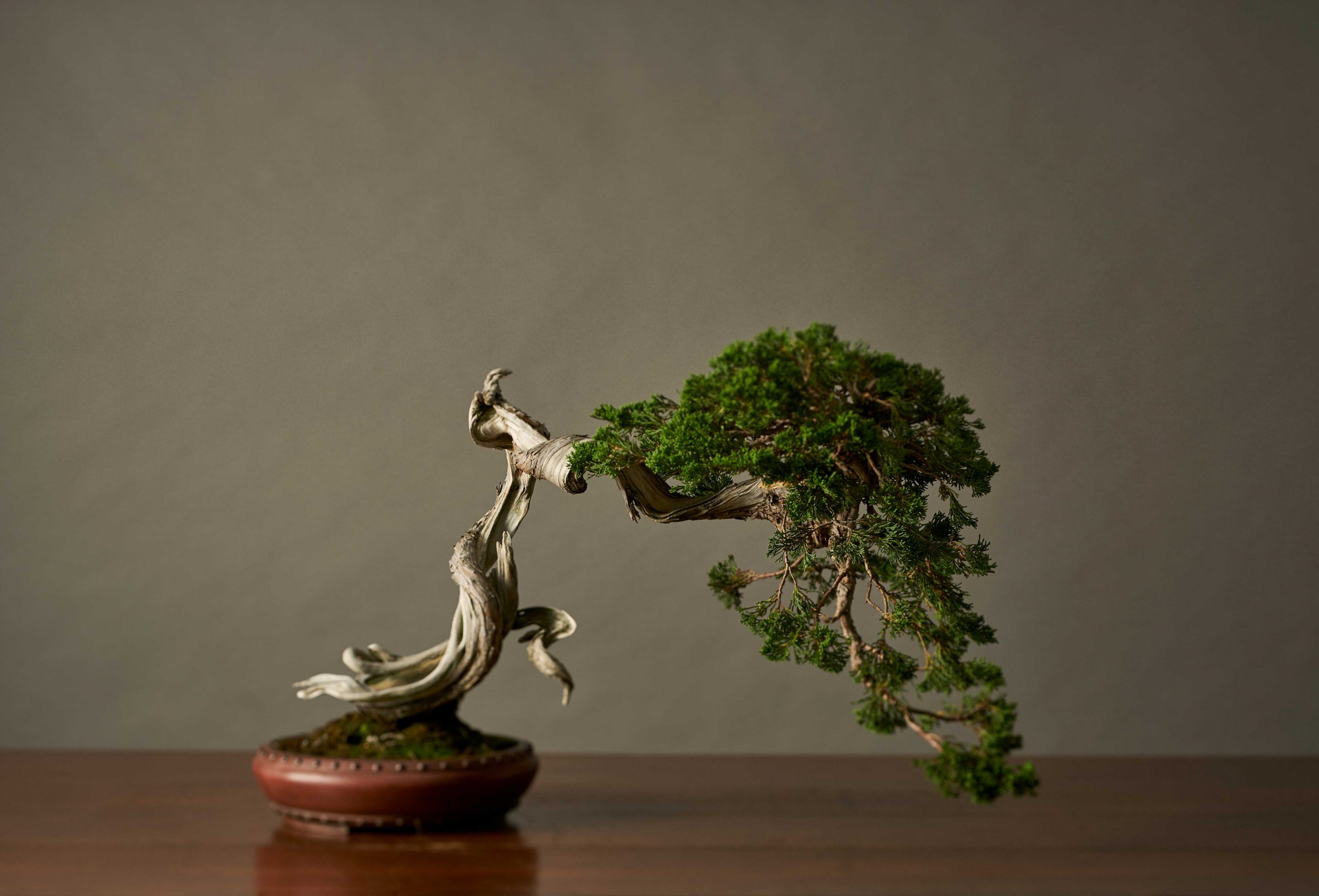

A esta pequeña sabina la llamamos “el Tirabuzón”; el dibujo lo hizo Luis y es la portada de su libro “a los pinos el viento”. La foto es de Fernando Maquieira.
Hablando de libros, el otro día me recomendaron uno sobre plantas. Uno de esos tesoros que te sorprenden.
Juniperus sabina…
…Los juníperos son una especie longeva que crece en lo alto de la montaña en suelos calizos, esqueléticos. Sus ramas rastreras son nodrizas de otras especies leñosas, convive con el berberis, los espinos, las rosas, las aulagas, los tomillos y otros arbustos de la familia, como los enebros y las sabinas…
…Los juníperos poseen sabinol, una sustancia con propiedades anticonceptivas, emanogogas y abortivas aunque, tomadas en el momento correcto, tienen la virtud de facilitar el parto…
María del Carmen Tostado. Álbum de Plantas Prohibidas
Un catálogo de plantas prohibidas, con poemas, dibujos y fichas botánicas en el que combina el conocimiento científico y el arte. Pienso en el concepto del que habla Luis siempre; la trasversalidad en el arte, como todas las disciplinas; la literatura, la poesía, la escultura, la pintura, la arquitectura, el paisajismo… están interconectadas, y el bonsái como ejemplo perfecto de esa conexión entre el arte y la ciencia.
We call this little juniper ‘el Tirabuzón’; the drawing was made by Luis and is the cover of his book ‘a los pinos el viento’. The photo is by Fernando Maquieira.
Speaking of books, the other day I was recommended one about plants. One of those treasures that surprise you.
Juniperus sabina…
…Junipers are a long-lived species that grows high up in the mountains in limestone, skeletal soils. Its creeping branches are the nurse of other woody species, it coexists with berberis, hawthorns, roses, gorse, thyme and other shrubs of the family, such as junipers and savins…
…Junipers possess sabinol, a substance with contraceptive, emanogogue and abortive properties although, taken at the right time, they have the virtue of facilitating childbirth…
Maria del Carmen Tostado. Album of Forbidden Plants
A catalogue of forbidden plants, with poems, drawings and botanical information, combining scientific knowledge and art.. I think about the concept Luis always talks about; the transversality in art; how all disciplines; literature, poetry, sculpture, painting, architecture, landscaping… are interconnected, and bonsai as the perfect example of the connection between art and science.
Edad/Age
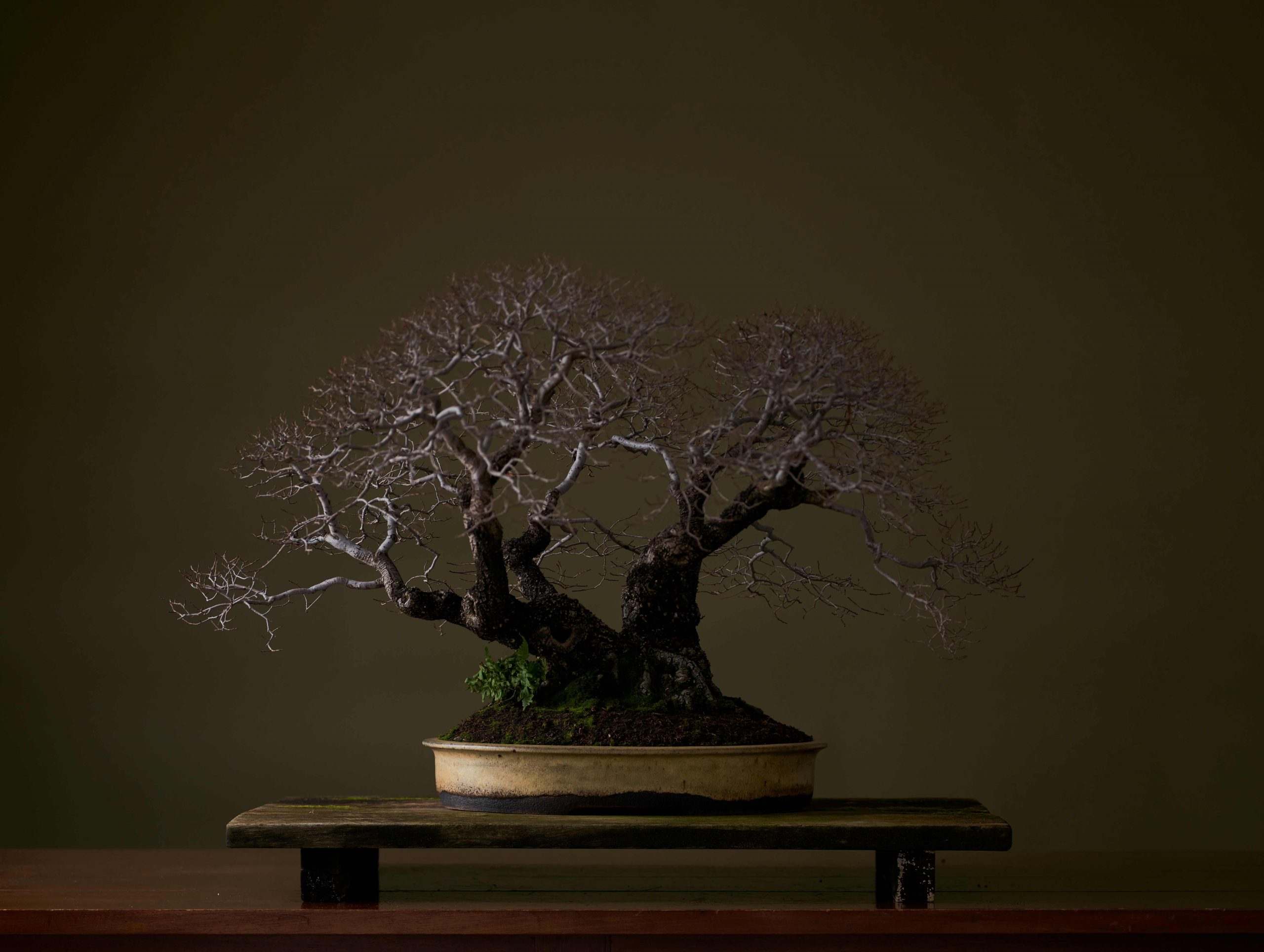
Matusalén es un pino torcido de 4.857 años, es uno de los árboles vivos más viejos del mundo y está en algún lugar del Bosque Nacional Inyo en California. La dirección exacta no la dan para que no corra con la misma suerte que su hermano mayor, un pino llamado Prometeo, que fue talado por un estudiante de geografía…
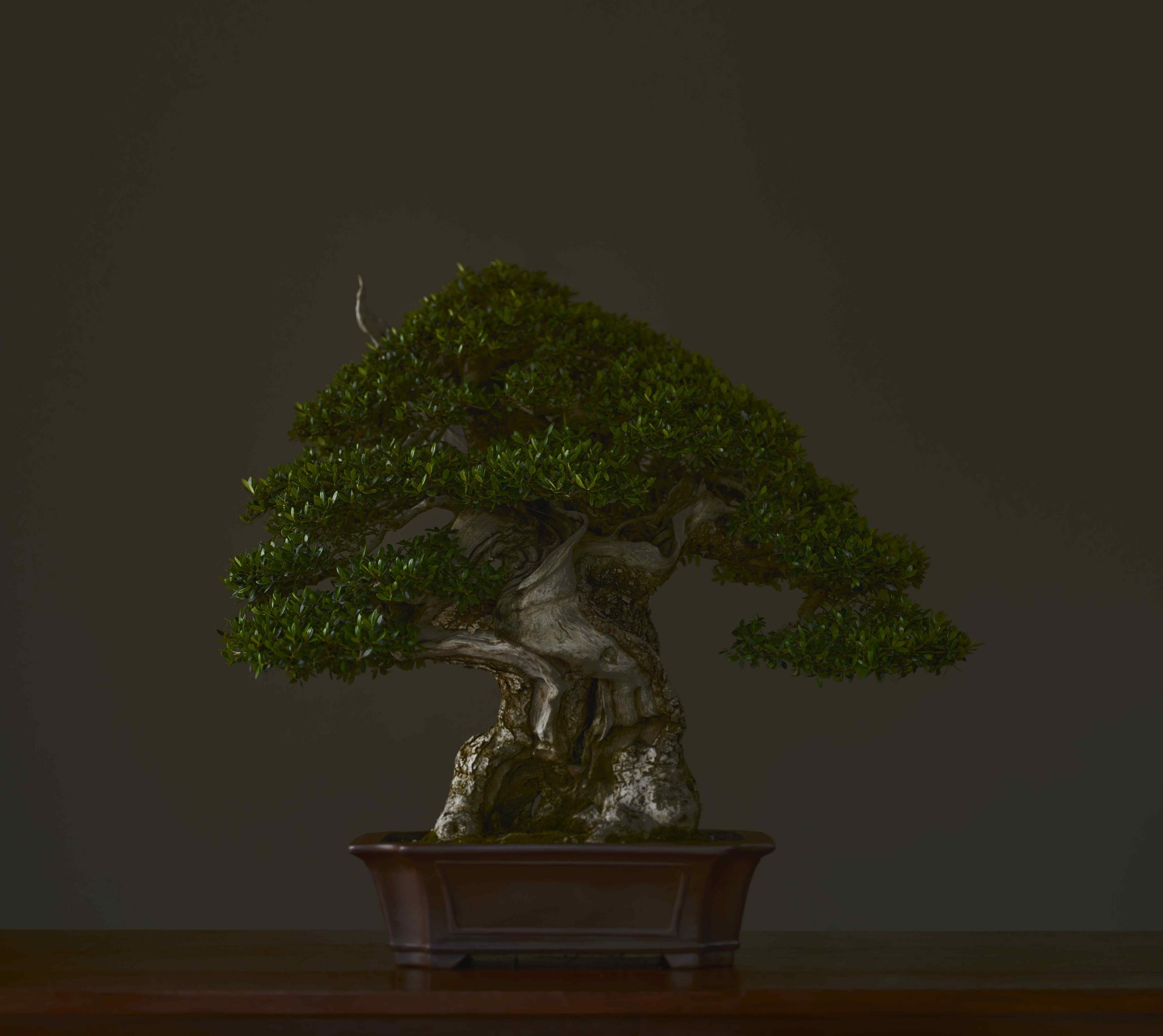
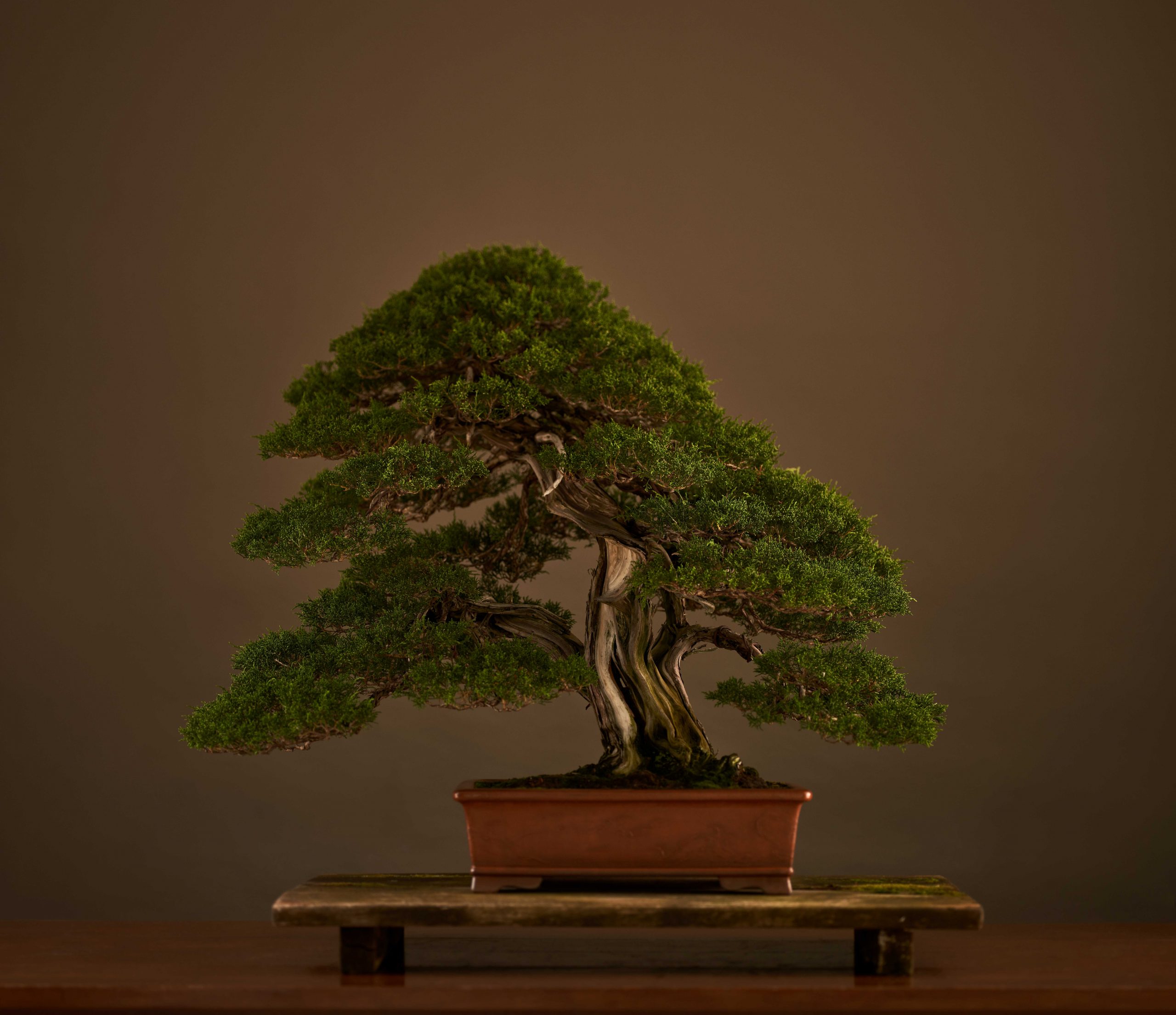
En la colección tenemos algunos árboles muy viejos. La edad de los árboles es un tema fascinante, nos gusta hablar de ella de la misma manera que hablamos de la nuestra; árboles jóvenes, maduros, viejos…pero no es lo mismo, los árboles tienen una longevidad potencial extraordinaria, se renuevan, sus brotes son siempre jóvenes. No importan los años.
Un árbol muere por factores externos mucho antes de que pueda haber un declive por su edad. Por eso los árboles más viejos en la naturaleza son ejemplos a estudiar, los que tienen más capacidad de adaptación y resistencia. Son los que han conseguido sobrevivir a los cambios en un mundo que no para de cambiar.
Methuselah is a 4,857-year-old twisted pine, one of the oldest living trees in the world, somewhere in the Inyo National Forest in California. The exact address is not given so that it does not suffer the same fate as its older brother, a pine tree called Prometheus, which was chopped down by a geography student…
In the collection we have some very old trees. The age of trees is a fascinating subject, we like to talk about it in the same way we talk about our own; young trees, mature trees, old trees…but it’s not the same thing, trees have an extraordinary potential longevity, they renew themselves, their buds are always young. It doesn’t matter how old they are.
A tree dies from external factors long before there can be a decline due to its age. That is why the oldest trees in nature are examples to be studied, the ones with the greatest capacity for adaptation and resistance. They are the ones that have managed to survive the changes in an ever-changing world.
El anden 9 y 3/4/Platform 9 and 3/4
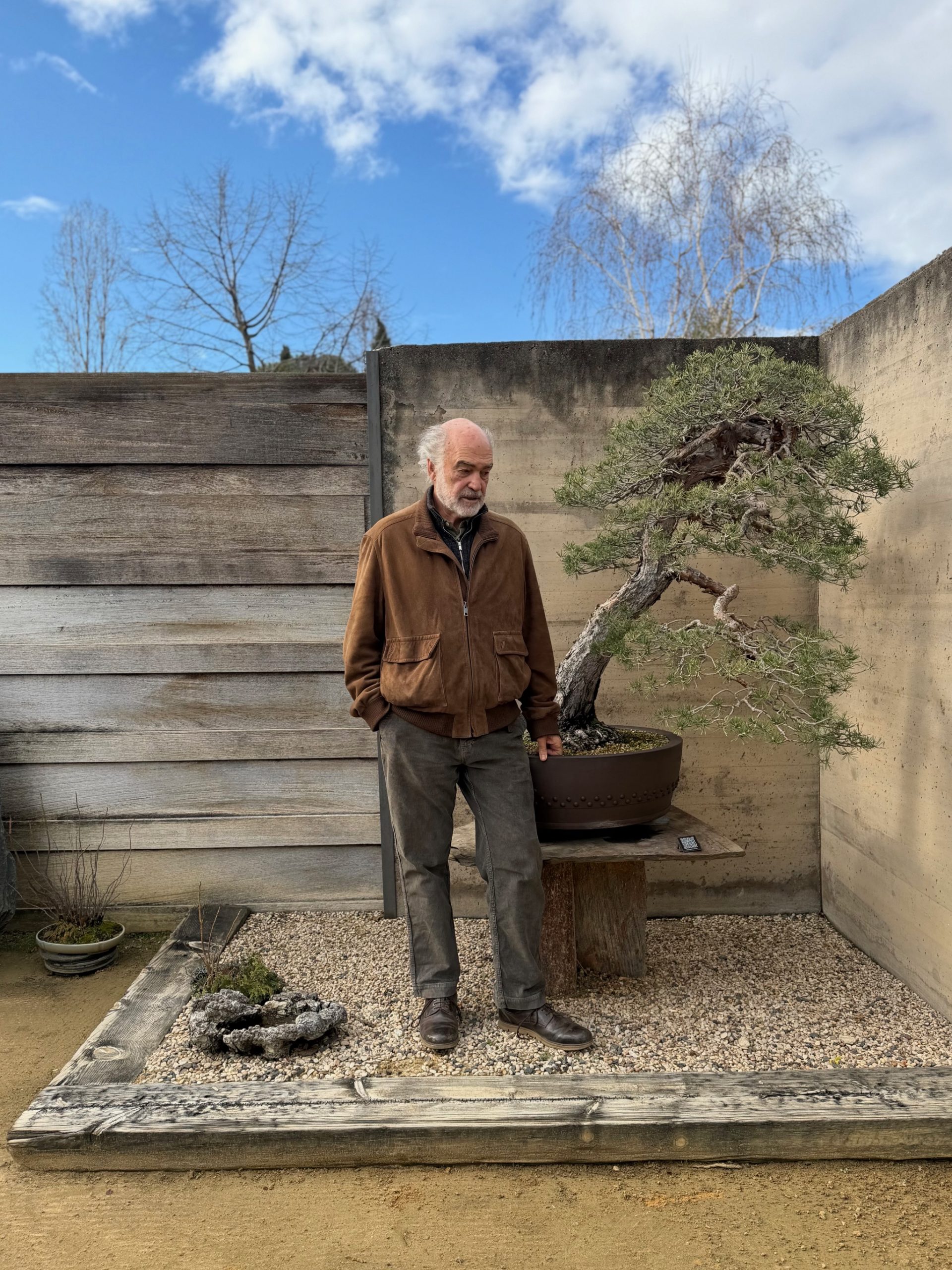
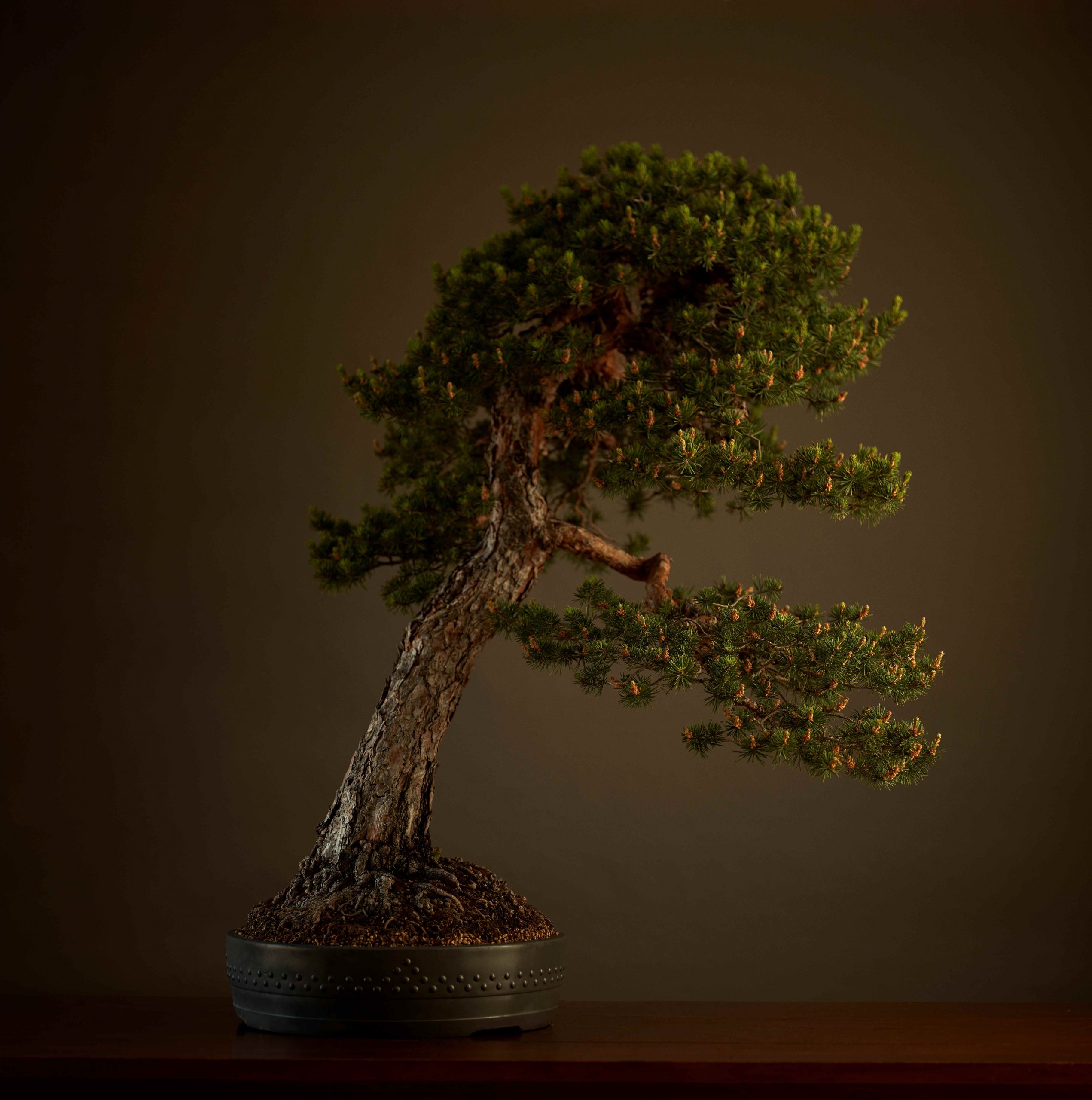
Seguimos inmersos en la magia de estos días, El tiempo queda suspendido, leo en alguna parte que es un fenómeno parecido al del andén 9 y ¾ de Harry Potter; doblas a toda carrera la esquina del día 25 y el tiempo se para.
Entramos en un tiempo distinto, ralentizado. Los árboles parecen contagiados por esa magia, como si estuvieran congelados (hoy igual lo están).
Los árboles duermen en el jardín, al parecer un estudio ha demostrado que cuando descansan cambian su postura; me fijo en ellos, las ramas parecen más bajas, los troncos algo más curvados…el tiempo perfecto para descansar, estos días no hay que producir nada.
.Solo, en la noche, el pino habla con su voz de luna…
«a los pinos el viento»
Luis Vallejo
We are still immersed in the magic of these days. Time is suspended, I read somewhere that it is a phenomenon similar to Harry Potter’s Platform 9 and ¾; you rush into the 25th and suddenly time stops..
We enter a different time, one that slows down. The trees seem to be influenced by that magic, as if they were frozen (today they might as well be).
The trees sleep in the garden, apparently a study has shown that when they rest they change their posture; I look at them, the branches seem lower, the trunks a little more curved… the perfect time to rest, these days there is nothing to produce.
Alone, in the night, the pine speaks its moon´s voice…
«The Wind among the Leaves»
Luis Vallejo

Un cuento de Navidad/A Christmas tale
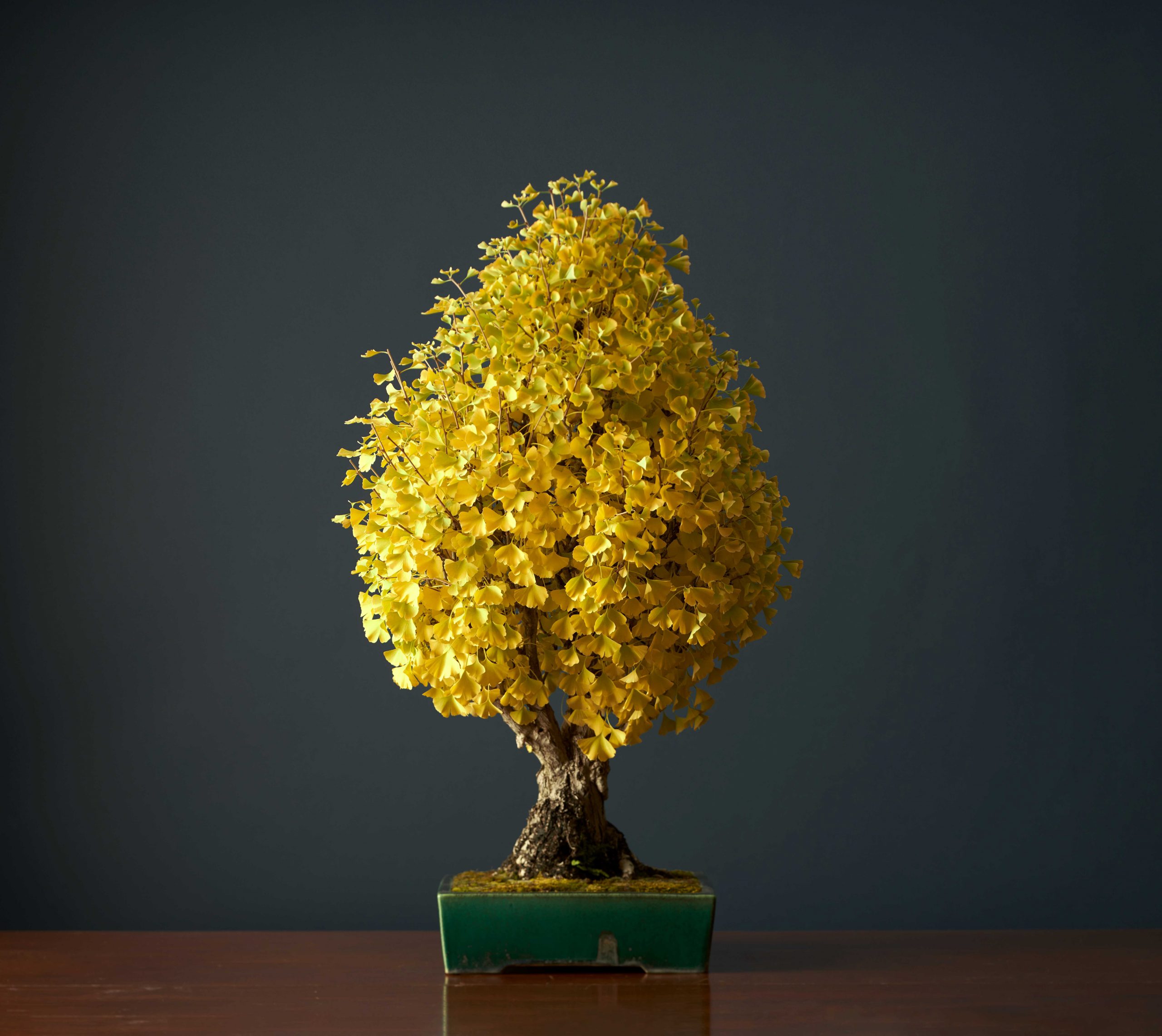

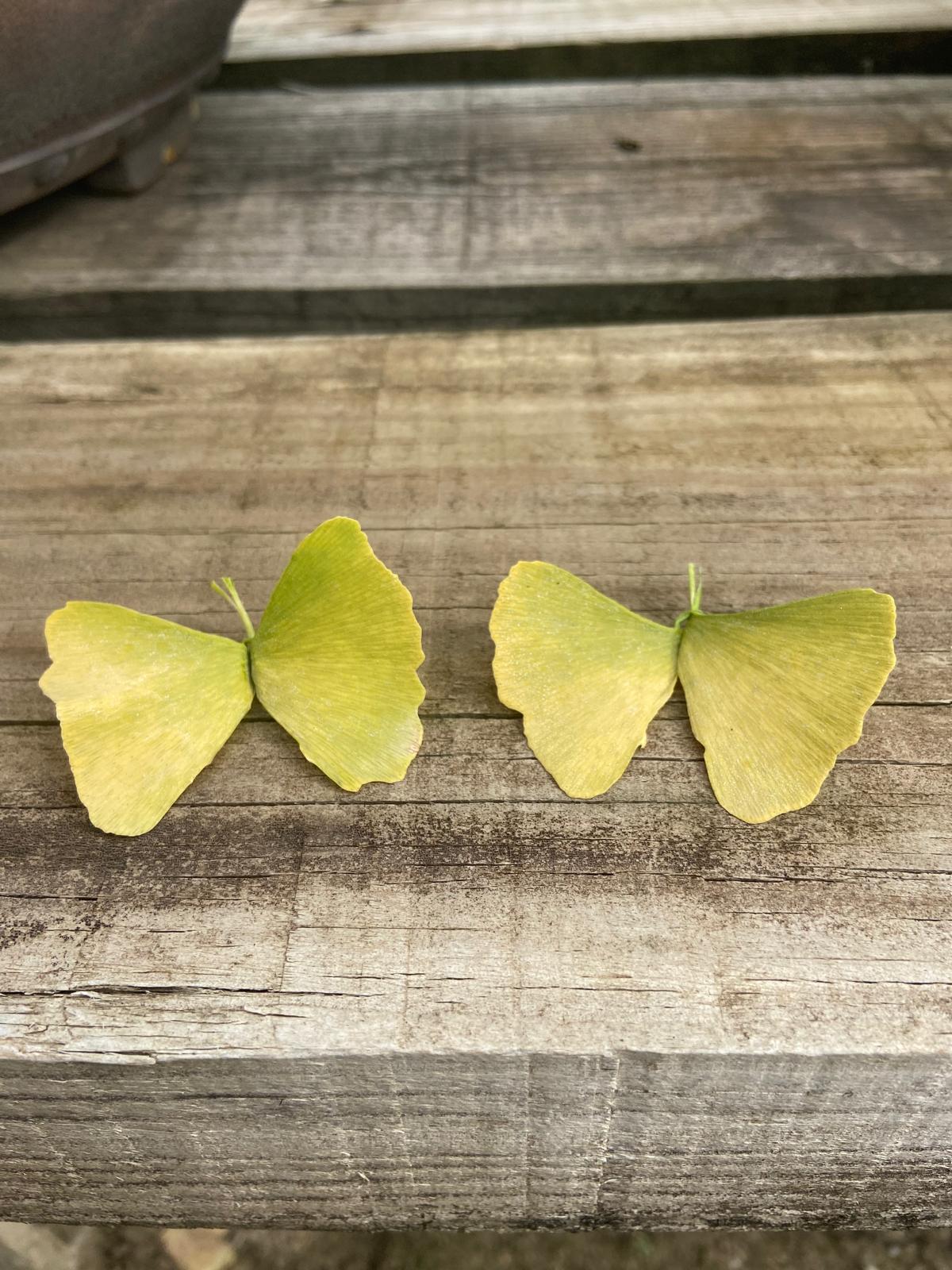
Ahora que se acercan las navidades y parece que hay más niños que nunca, un guiño a todos los colegios que nos visitan. Siempre los recibimos con la leyenda del Ginkgo biloba. El árbol de las mariposas.
Hace millones de años, los árboles andaban corriendo por el monte. Se sentían libres y poderosos. Un día los árboles más grandes desafiaron al viento. El viento enfadado soplo con fuerza y hubo una gran batalla. Los árboles se agarraban al suelo como podían, sus ramas se doblaban y volaban hojas por todas partes. En medio de la batalla cruzó una bandada de mariposas. Cuando estaban a punto de ser arrastradas por el viento, el Ginkgo biloba corrió al centro del valle y extendió sus ramas para que se agarraran a ellas. La batalla terminó y las mariposas sobrevivieron agarradas al Ginkgo.
Después de la batalla; de tanto agarrarse al suelo, los árboles ya no pudieron moverse; les habían salido raíces y donde estaban se quedaron. Algunos de los árboles se quedaron sin hojas, empezaron las estaciones. Al llegar la primavera, a los árboles que se habían quedado desnudos, les salieron las hojas de nuevo. A todos menos al Ginkgo, que, al haber estado en lo peor de la batalla nunca volvieron a salirle hojas. Estaba en el centro del valle, desnudo. Las mariposas en agradecimiento volaron a sus ramas para vestirlo, volaron cada día durante cien años, hasta que una mañana al volar hacia él, se dieron cuenta de que le habían salido hojas en forma de mariposa.
Now that Christmas is approaching and there seem to be more children than ever, a special wink to all the schools that visit us. We always welcome them with the legend of the Ginkgo biloba, the butterfly tree.
Millions of years ago, trees were running around the mountains. They felt free and powerful. One day the biggest trees defied the wind. The angry wind blew hard and there was a great battle. The trees clung to the ground as best as they could, their branches bent and leaves flew everywhere. In the midst of the battle a flock of butterflies flew across. As they were about to be swept away by the wind, the Ginkgo biloba ran to the centre of the valley and stretched out its branches for them to cling to. The battle was over and the butterflies survived clinging to the Ginkgo.
After the battle, from holding on to the ground, the trees could no longer move; they had grown roots and stayed where they were. Some of the trees became leafless, the seasons began. When spring came, the trees that had been left bare sprouted leaves again. All except the Ginkgo, which, having been in the worst of the battle, never grew leaves again. It stood in the centre of the valley, naked. The butterflies in gratitude flew to its branches to dress it, they flew every day for a hundred years, until one morning when they flew to it they noticed that it had grown leaves in the shape of a butterfly.
Horror vacui
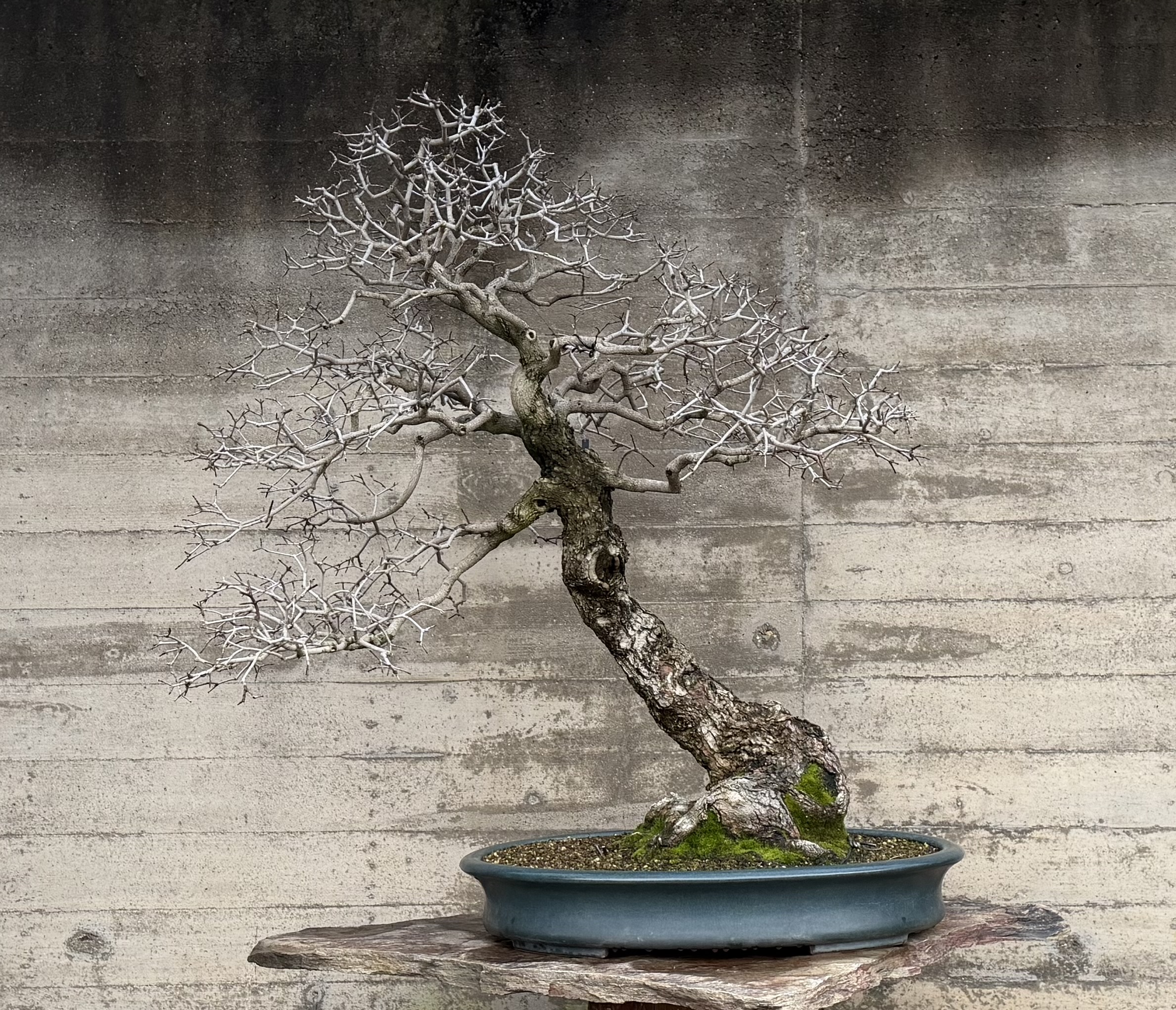
El otro día escuche a alguien la expresión “horror vacui” refiriéndose a una exposición en la que no quedaba un centímetro de pared libre. Pensé en el jardín, en como ahora con los árboles sin hojas parece más vacío. Y no solo pienso en la forma de exponer, pienso en la filosofía de la colección, en lo que hay detrás.
El miedo al vacío parece ser una epidemia en nuestros días, miedo a la falta de imágenes, miedo a la pausa, miedo al silencio. Somos la sociedad del ruido en todos los sentidos. Se da por hecho la falta de verdad, la falta de contenido y la necesidad de llenar ese vacío de lo que sea.
Aquí no. Aquí necesitamos silencio para escuchar, vacío para ver y tiempo…mucho tiempo.
The other day I heard someone use the expression ‘horror vacui’ referring to an exhibition in which there wasn’t an inch of wall free. I thought of the garden, of how now with the trees without leaves it seems emptier. And I don’t just think about the way of exhibiting, I think about the philosophy of the collection, about what lies behind it.
Fear of emptiness seems to be an epidemic nowadays,
fear of the lack of images, fear of pause, fear of silence. We are a society of noise in every sense. We take for granted the lack of truth, the lack of content and the need to fill that emptiness with anything.
Not here. Here we need silence to listen, emptiness to see and time… a lot of time.
Marcescencia/Marcescence
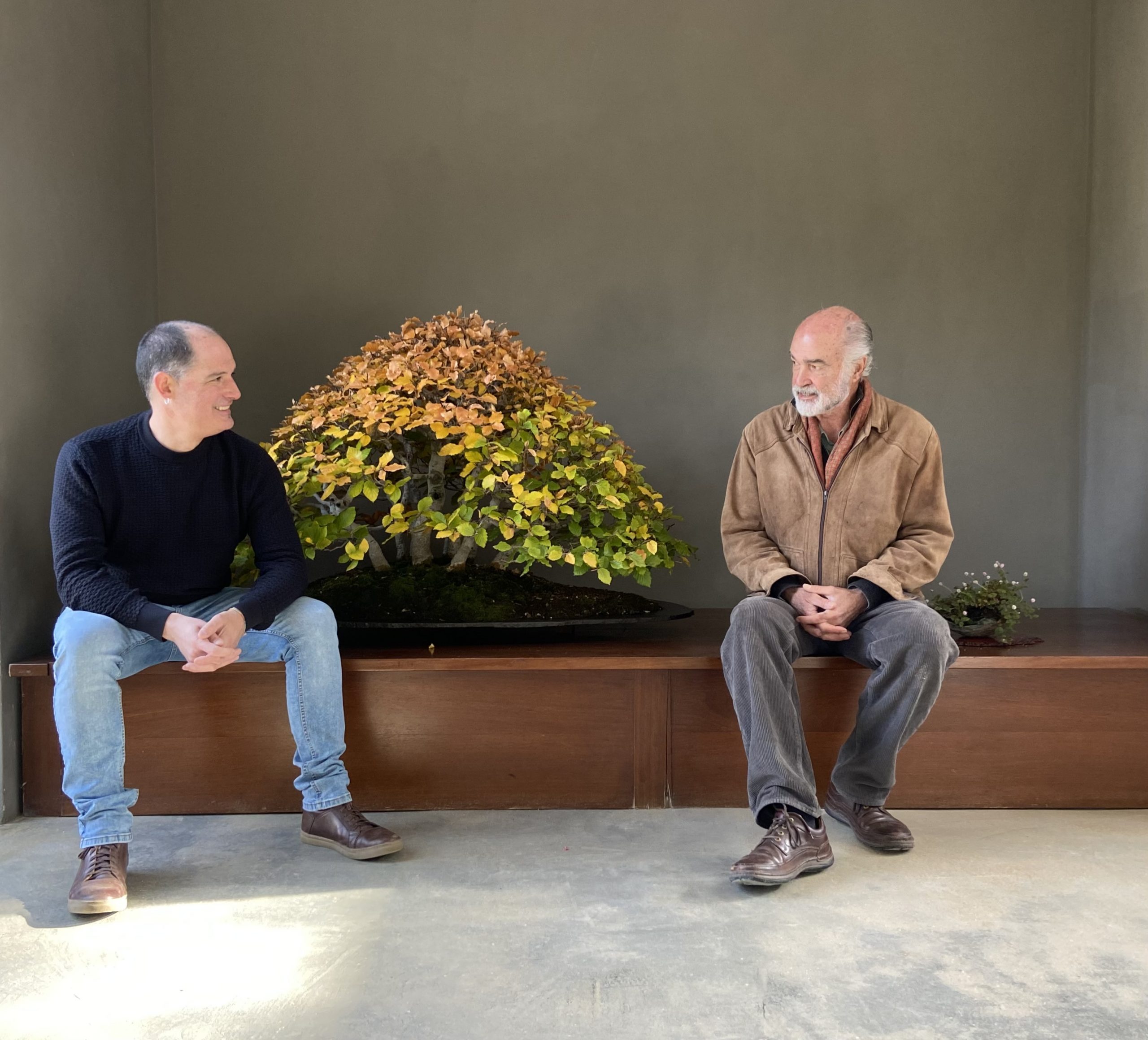
Esta semana vino a vernos Patxi; dejó el grandioso otoño de Irati para venir a ver el nuestro, algo más pequeño.
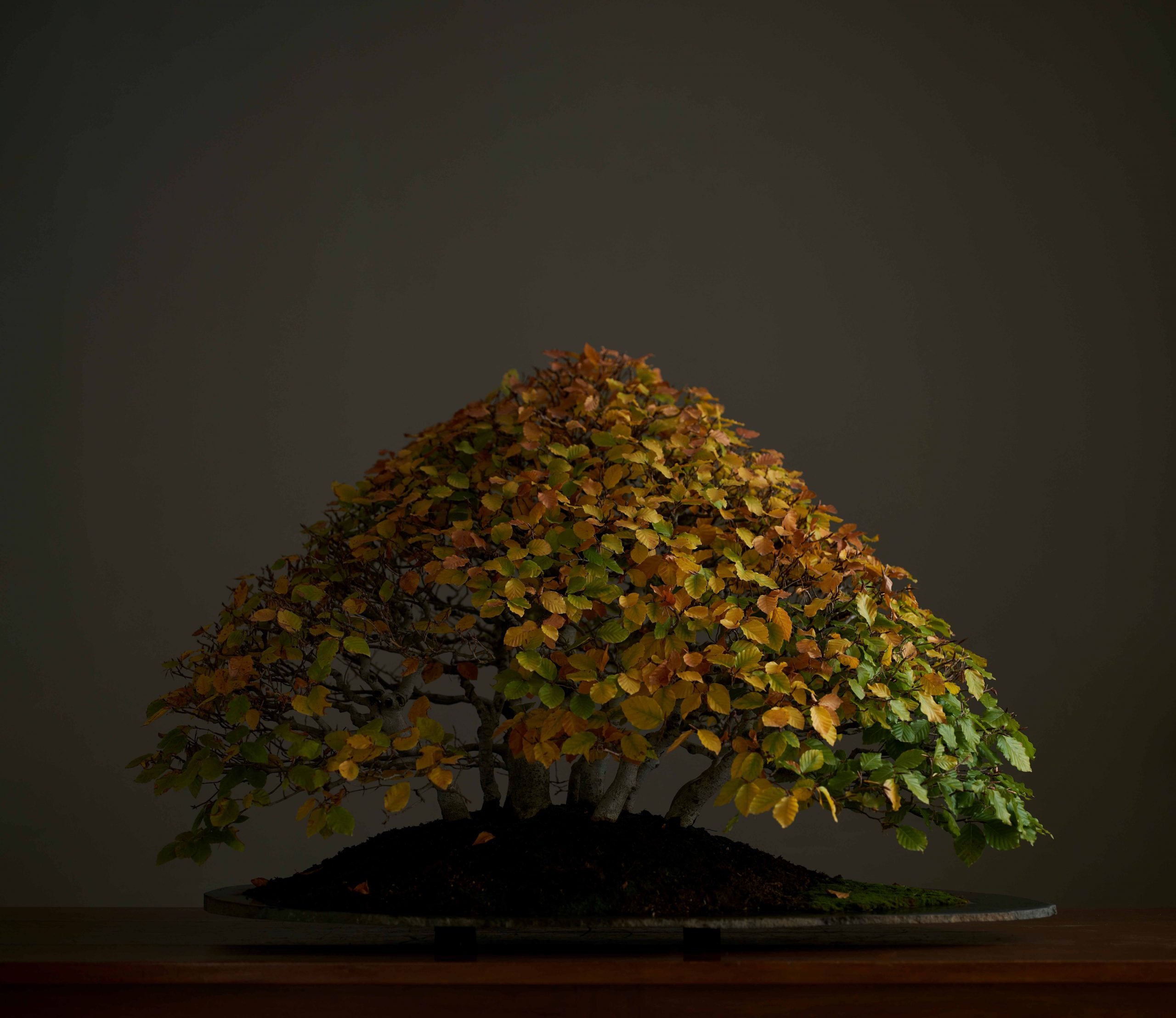
Y es que, si ya casi todos los caducos han perdido sus hojas, las hayas y los robles se empeñan en mantenerlas. Es el enigmático fenómeno de la marcescencia, un fenómeno por el cual algunos árboles retienen sus hojas en las ramas durante todo el invierno. Hay varias teorías para explicarlo; que mantienen las hojas para proteger de las heladas las yemas del año siguiente o para proteger las ramas y los brotes del ramoneo de los animales, ya que las hojas secas tienen mal sabor. También se especula con que, al desprenderse de las hojas en primavera, el árbol libera al suelo los nutrientes que contienen justo cuando más los necesita. Sea cual sea el motivo….
Caminar por la selva de Irati, en Navarra,
al final del invierno, con las hojas
marcescentes cubriendo ya el suelo y
reflejando la luz declinada del atardecer,
produce un sentimiento indefinible
“a los pinos el viento”
Luis Vallejo
This week Patxi came to see us; he left the great autumn of Irati to come and see ours, a little smaller.
And the fact is that, if almost all the deciduous trees have already lost their leaves, the beech and oak trees insist on keeping them. It is the enigmatic phenomenon of marcescence, a phenomenon by which some trees retain their leaves on their branches throughout the winter. There are several theories to explain it, that they keep the leaves to protect the following year’s buds from frost or to protect the branches and shoots from being browsed by animals, as dry leaves have a bad taste. There is also speculation that by shedding the leaves in spring, the tree releases the nutrients they contain into the soil just when it needs them most. Whatever the reason….
Walking through the Irati rain forest in Navarre,
in the late winter, with the marcescent leaves now
covering the ground and reflecting the fading light
of dusk, arouses an undefinable feeling.
The Wind among the Leaves
Luis Vallejo