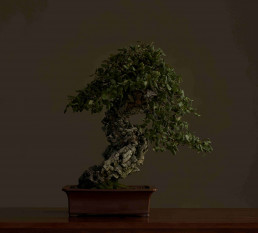
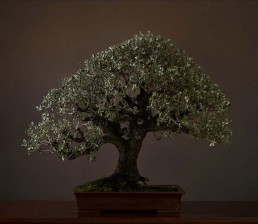
Tres Quercus y una dehesa.
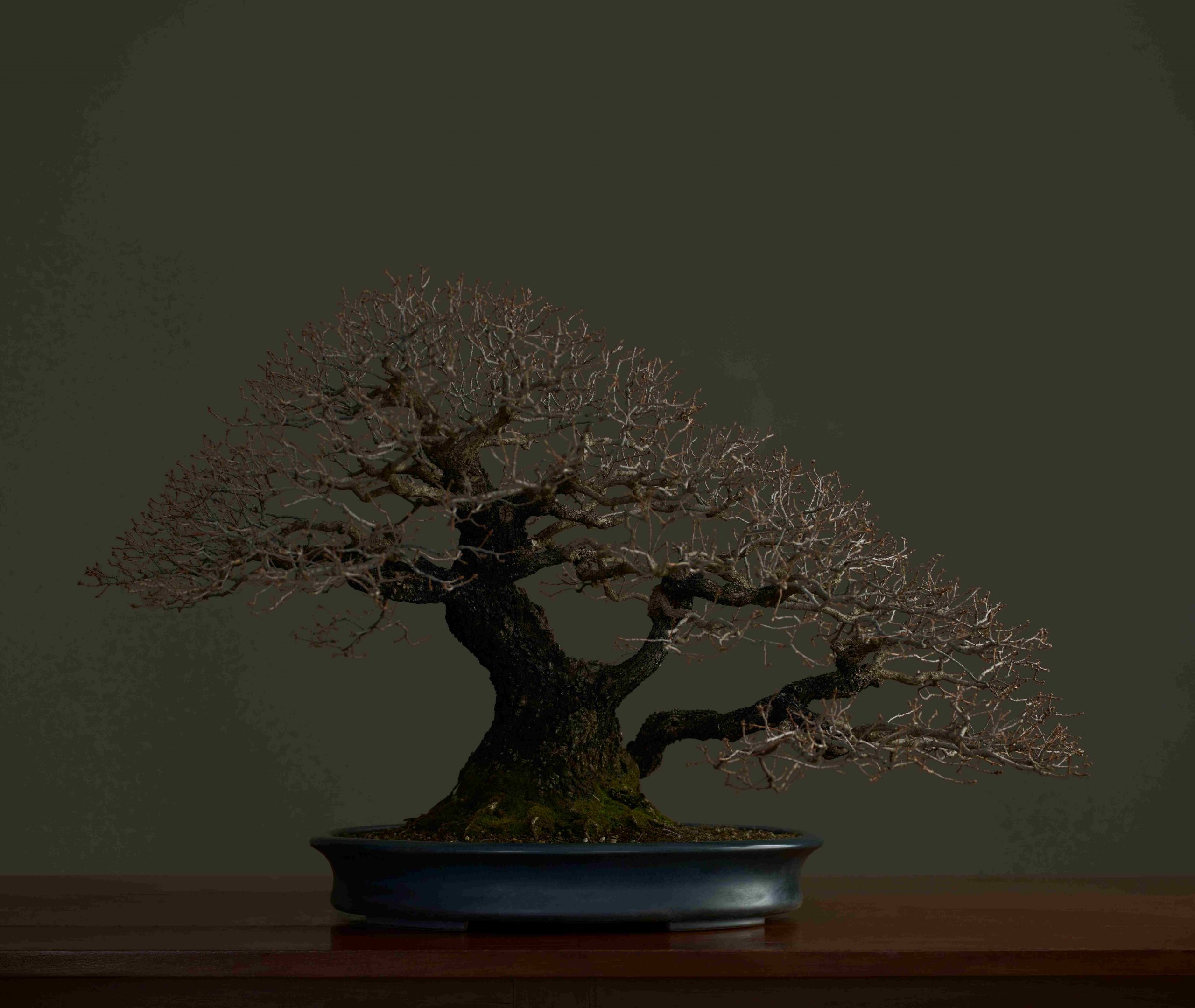
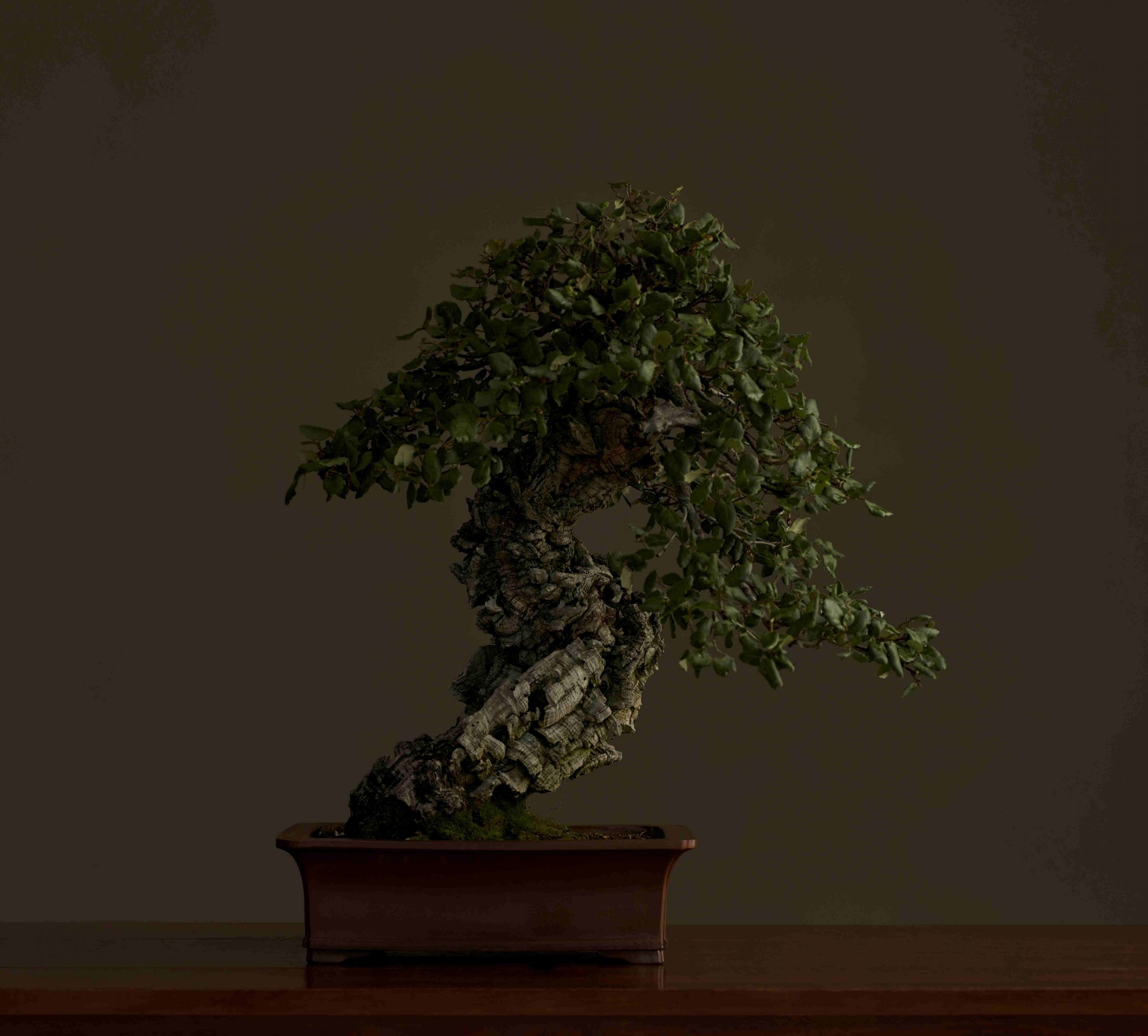
En el jardín, junto a la colección de árboles japoneses, se expone la colección de árboles autóctonos, ejemplos de flora mediterránea.
Este arte parte del profundo conocimiento de la naturaleza, del estudio del paisaje y sus árboles para así ser capaz de evocarlos en el bonsái. Los pinos albares, sabinas, olivos, encinas y alcornoques de la colección, son fruto de viajes recorriendo la geografía española, estudiándola y apreciándola.
Hoy como emblema de flora ibérica traemos a los tres quercus de la colección; Quercus ilex, Quercus faginea y Quercus suber. Hablar de los tres, es hablar de la dehesa española, un modelo único de interacción entre el hombre y el medio. Dehesa viene del latín “deffesa” o defensa… un sistema que crea sinergias interesantísimas entre agricultura, ganadería, medio ambiente y paisaje. Se crean estos pedazos aclarados de bosque mediterraneo, en los que prevalecen los árboles más interesantes, las herbáceas silvestres y se elimina gran parte del matorral. Son cortafuegos naturales de gran valor ecológico y social.
Son un mundo, un paisaje.
Millones de hectáreas de patrimonio cultural.
In the garden, alongside the collection of Japanese trees, you can see the collection of native trees, examples of Mediterranean flora.
This art stems from a deep understanding of nature and the study of the landscape and its trees, in order to be able to evoke them in bonsai. The Scots pines, junipers, olive trees, holm oaks and cork oaks in the collection are the result of journeys across Spain, studying and appreciating the country’s geography.
Today, as emblems of Iberian flora, we present the three Quercus species in the collection: Quercus ilex, Quercus faginea and Quercus suber. To speak of these three is to speak of the Spanish dehesa, a unique model of interaction between humans and the environment. The word ‘dehesa’ derives from the Latin ‘deffesa’, meaning ‘defence’… is a system that creates fascinating synergies between agriculture, livestock farming, the environment and the landscape. These patches of thinned Mediterranean woodland are created, where the most interesting trees and wild herbaceous plants prevail and much of the scrub is removed. They are natural firebreaks of great ecological and social value.
They are a world, a landscape.
Millions of hectares of cultural heritage.

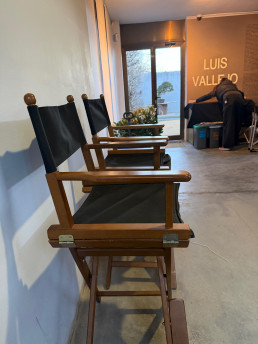
Goteras/Leaks
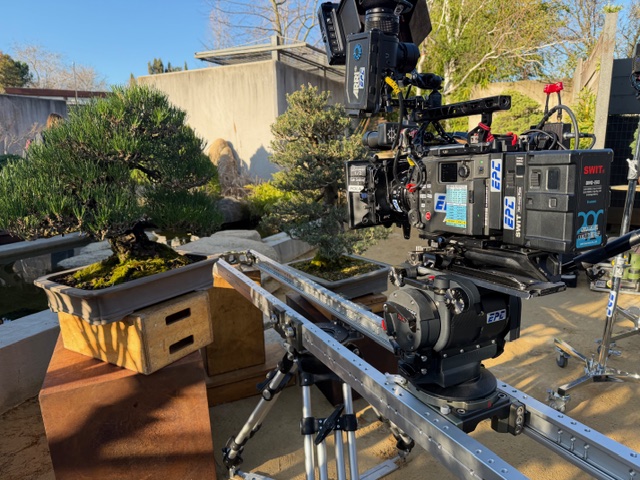
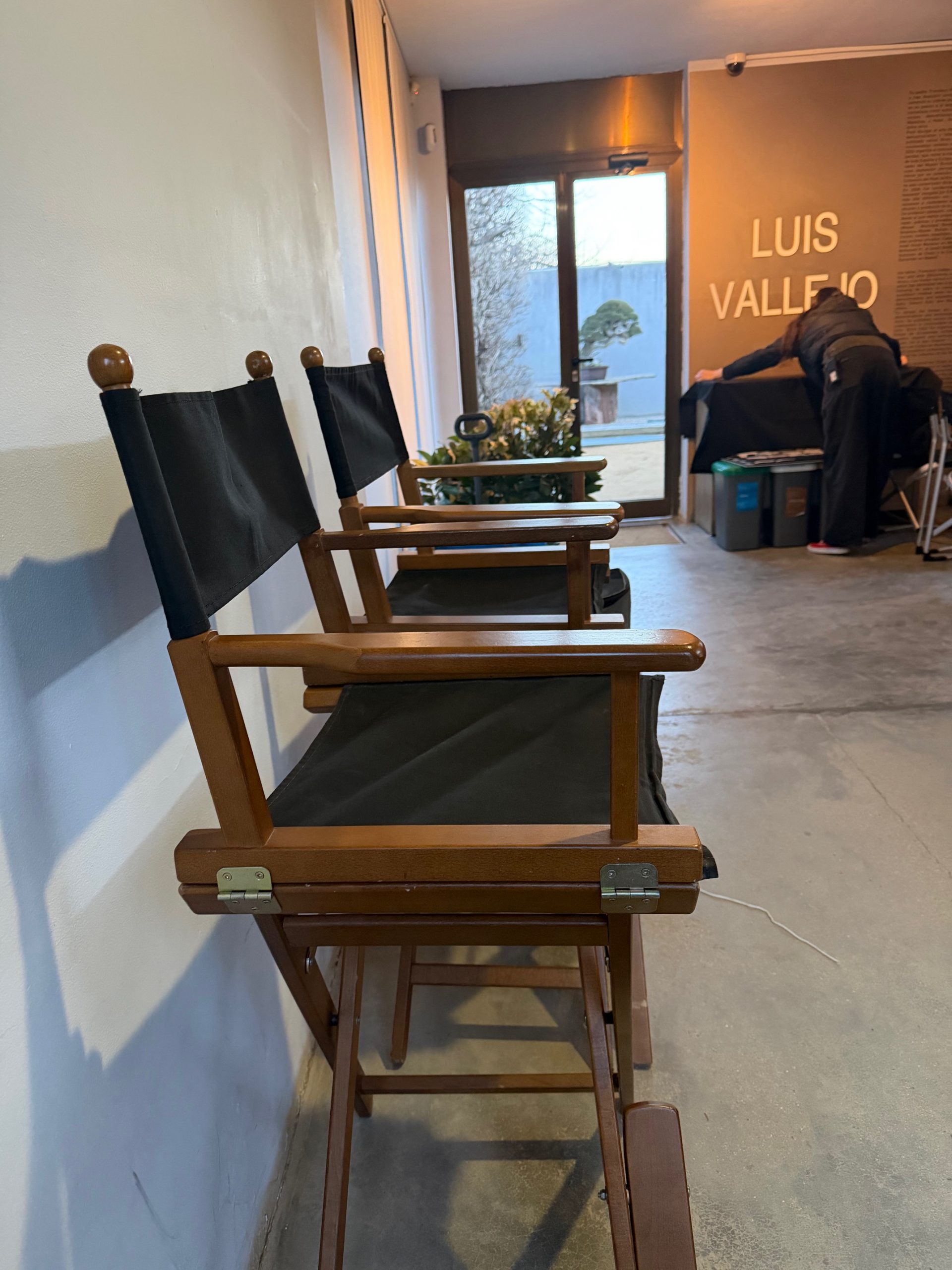
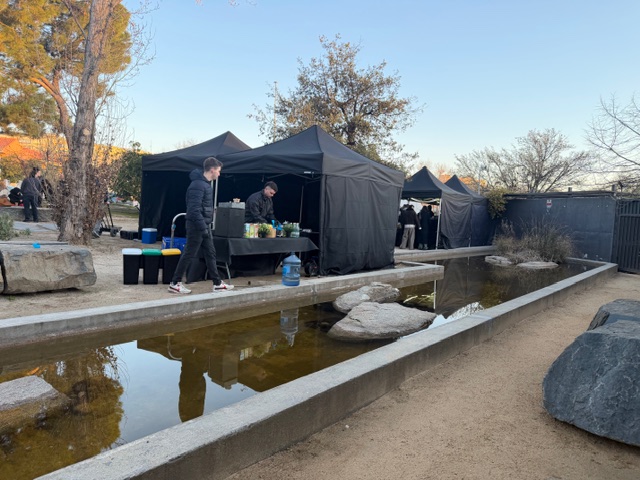
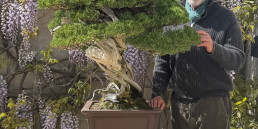
Esta semana hemos tenido el rodaje de un anuncio en el jardín. No es nuestro primer rodaje, nos adaptamos a los tiempos, hay que diversificar, conseguir formas de financiación fuera de la actividad principal y poco rentable de un museo. Museos interactivos, mediáticos, pensados para eventos, rodajes, restaurantes y experiencias. No es ningún secreto que como negocio un museo pequeño y privado puede ser una ruina si solo tiene arte…
¿Pero y los grandes museos? al parecer el Louvre, el museo más visitado del mundo tiene goteras, problemas estructurales, dificultades de personal y notorios fallos de seguridad.
El Louvre, con financiación pública y 9 millones de visitantes al año, tiene en marcha el proyecto «Nuevo renacer» para adaptarlo a los tiempos, se enfrenta a una montaña de inversiones y no tiene los fondos para acometerlas.
Mientras encontramos nuestro camino nos consuela tener algo en común con él, también tenemos goteras, montañas de inversiones y algo de arte…
This week we have had the shooting of an advertisement in the garden. It is not our first filming, we are adapting to the times, we have to diversify, to find ways of financing outside the main and not very profitable activity of a museum. Interactive museums, mass media, designed for events, filming, restaurants and experiences. It is no secret that as a business a small, private museum can be a ruin if it only has art…
But what about the big museums? Apparently the Louvre, the most visited museum in the world, has leaks, structural problems, staffing difficulties and notorious security failures.
The Louvre, with public funding and 9 million visitors a year, has the «New Renaissance» project underway to adapt it to the times, faces a mountain of investment and does not have the funds to undertake it.
While we find our way, we take comfort in the fact that we have something in common with it, we also have leaks, mountains of investments and some art…
Otoño amarillo/Yellow autumn
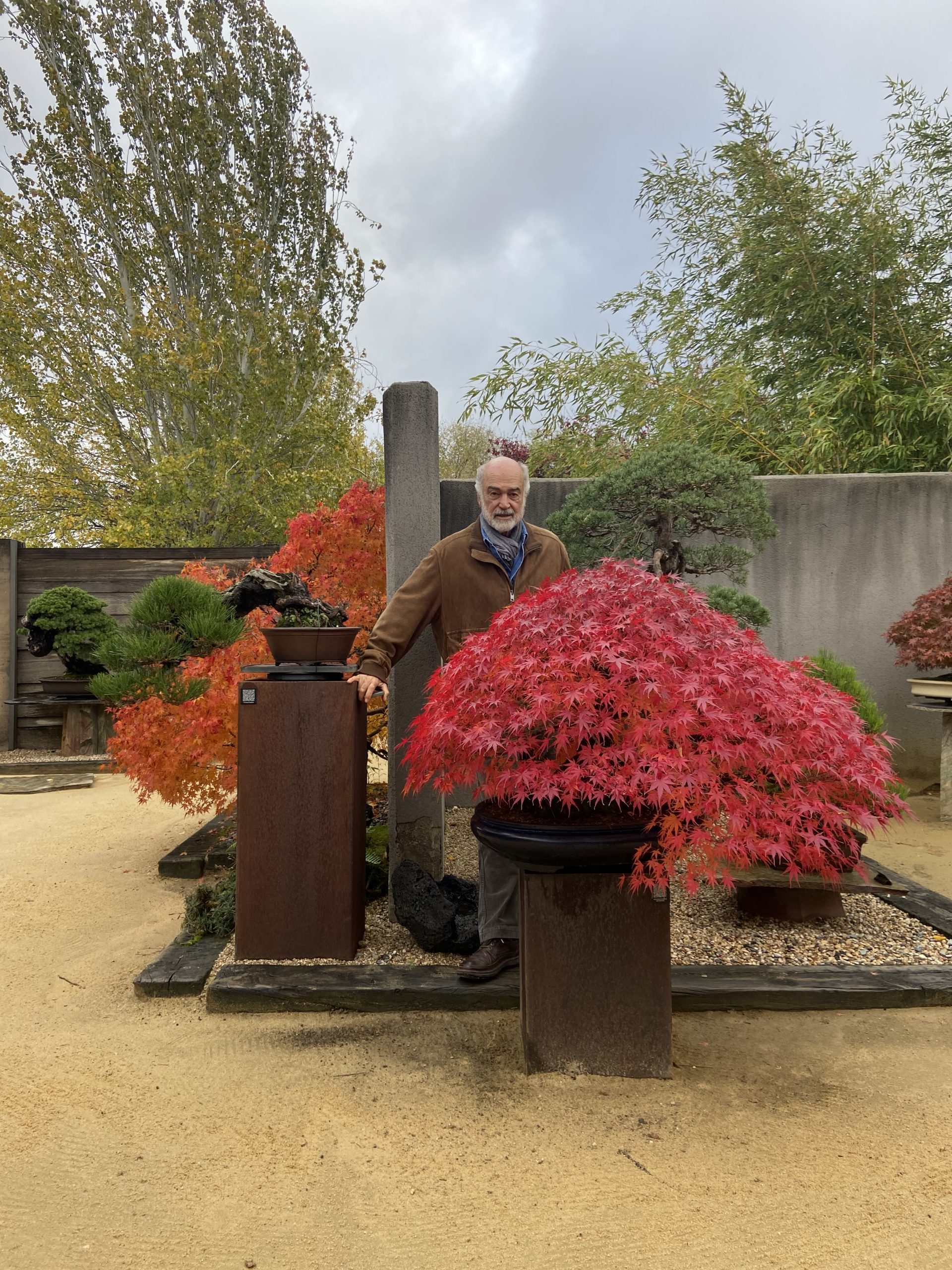
Viendo esta fotografía de Luis, y el glorioso otoño del “Arakawa”; me pregunto por la diferencia entre el otoño de nuestros bosques europeos, y sus tonalidades amarillas frente al de los bosques de Norteamérica y Oriente y sus tonalidades mucho más rojas.
Leyendo sobre el tema, descubro datos muy interesantes…para empezar tenemos el proceso por el que pasan los árboles; …en otoño todo está cansado, los árboles dejan de producir clorofila que da el color verde a las hojas y están pierden color, empiezan a verse otros pigmentos (los carotenoides) que les dan el color amarillo y ocre. Resulta que los árboles de otras latitudes cuando llega el otoño empiezan a producir otro pigmento, que es rojo y protege al árbol de insectos, (como siempre, el rojo es señal de peligro) y aquí la pregunta del principio; ¿porque unos producen el nuevo pigmento y los otros no?
Al parecer es una cuestión evolutiva; los árboles europeos dejaron de defenderse. Las cadenas montañosas europeas (las principales) discurren de este a oeste mientras que en America y Asia van de norte a sur. Por lo que he podido entender, los insectos en Europa no pudieron emigrar al sur cuando hubo frío extremo (se lo impedían las montañas) y quedaban atrapados en el hielo. Sin insectos los árboles dejaron de producir el pigmento, mientras que en América los insectos corrían felices al sur…y sus árboles cada vez más rojos…
Me surgen mil preguntas nuevas; ¿ necesitamos más insectos? …
Seeing this photograph of Luis, and the glorious autumn of the ‘Arakawa’; I wonder about the difference between the autumn of our European forests, and its yellow tones versus that of the forests of North America and the East and their much redder tones.
Reading up on the subject, I discover very interesting facts…to begin with we have the process that trees go through; …in autumn everything is tired, the trees stop producing chlorophyll that gives the green colour to the leaves and they lose colour, other pigments (the carotenoids) start to be seen and give them the yellow and ochre colour. It turns out that trees in other latitudes when autumn arrives begin to produce another pigment, which is red and protects the tree from insects, (as always, red is a sign of danger) and here is the question at the beginning; why do some trees produce the new pigment and others do not?
It seems to be an evolutionary question; European trees stopped defending themselves. The European mountain ranges (the main ones) run from east to west while in America and Asia they run from north to south. As far as I have been able to understand, insects in Europe could not migrate south when there was extreme cold (prevented by the mountains) and were trapped in the ice. Without insects the trees stopped producing pigment, while in America the insects happily ran south…and their trees got redder and redder…
A thousand new questions come to mind; do we need more insects?