El anden 9 y 3/4/Platform 9 and 3/4
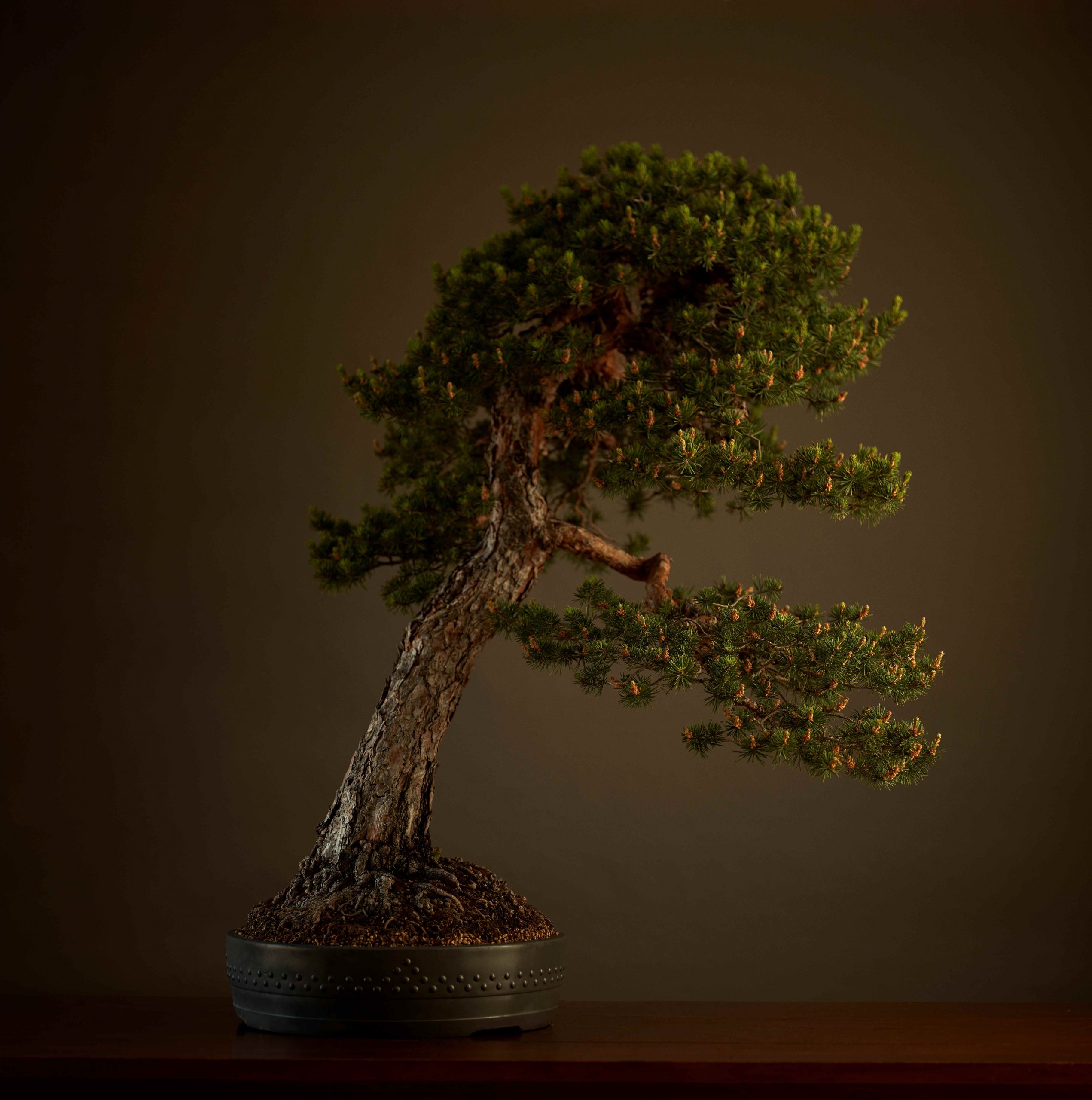
Seguimos inmersos en la magia de estos días, El tiempo queda suspendido, leo en alguna parte que es un fenómeno parecido al del andén 9 y ¾ de Harry Potter; doblas a toda carrera la esquina del día 25 y el tiempo se para.
Entramos en un tiempo distinto, ralentizado. Los árboles parecen contagiados por esa magia, como si estuvieran congelados (hoy igual lo están).
Los árboles duermen en el jardín, al parecer un estudio ha demostrado que cuando descansan cambian su postura; me fijo en ellos, las ramas parecen más bajas, los troncos algo más curvados…el tiempo perfecto para descansar, estos días no hay que producir nada.
.Solo, en la noche, el pino habla con su voz de luna…
«a los pinos el viento»
Luis Vallejo
We are still immersed in the magic of these days. Time is suspended, I read somewhere that it is a phenomenon similar to Harry Potter’s Platform 9 and ¾; you rush into the 25th and suddenly time stops..
We enter a different time, one that slows down. The trees seem to be influenced by that magic, as if they were frozen (today they might as well be).
The trees sleep in the garden, apparently a study has shown that when they rest they change their posture; I look at them, the branches seem lower, the trunks a little more curved… the perfect time to rest, these days there is nothing to produce.
Alone, in the night, the pine speaks its moon´s voice…
«The Wind among the Leaves»
Luis Vallejo



Un cuento de Navidad/A Christmas tale
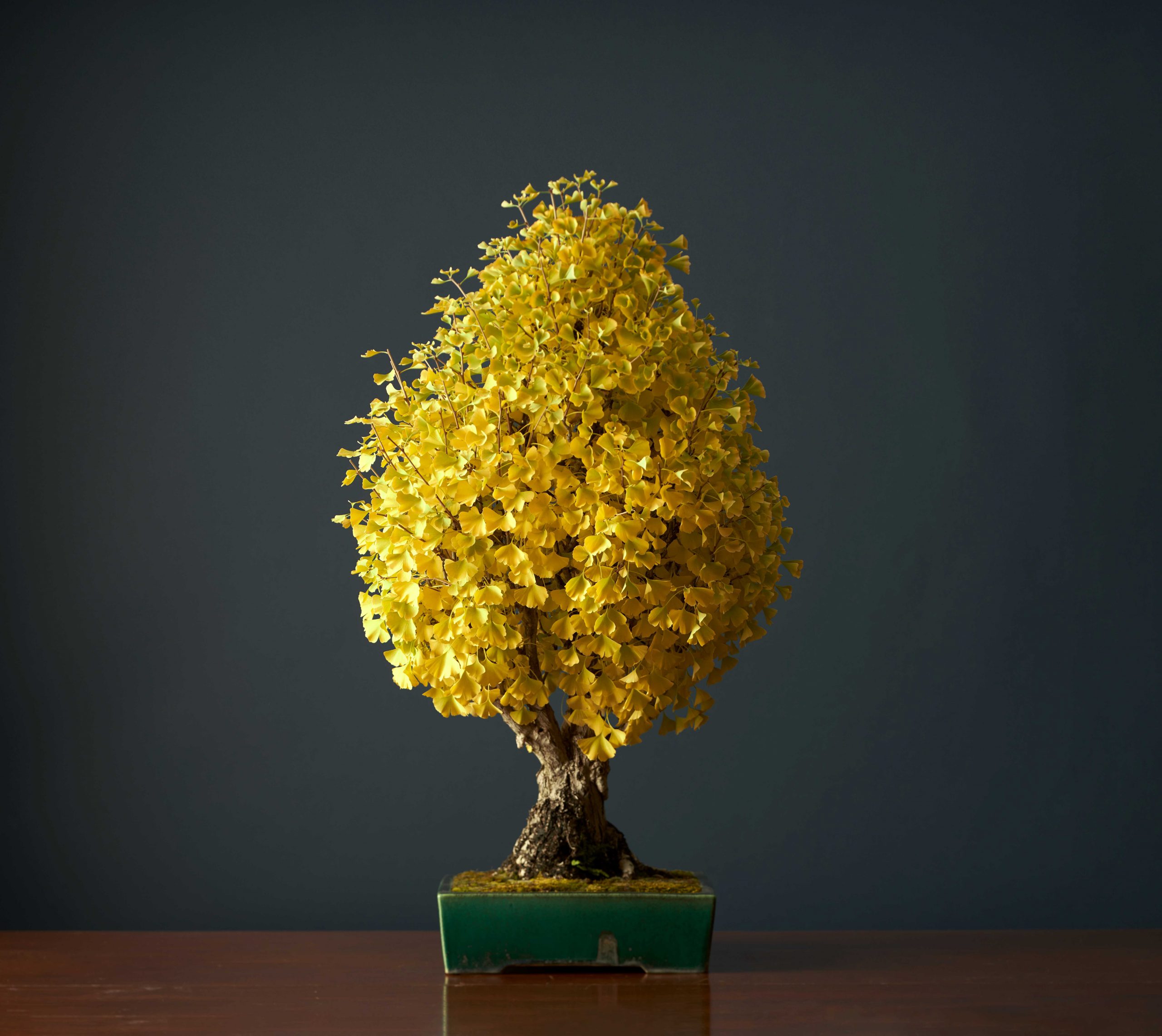

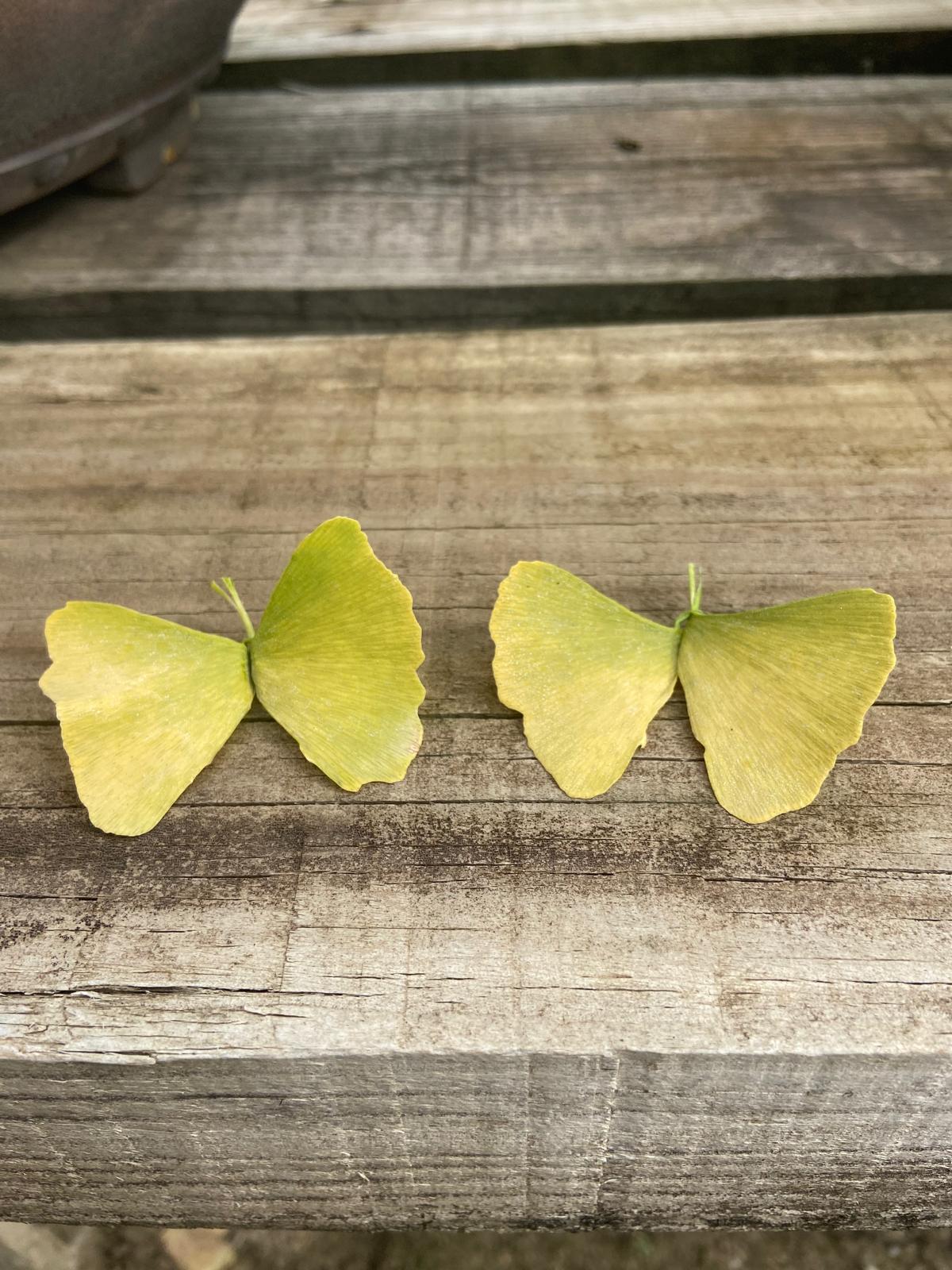
Ahora que se acercan las navidades y parece que hay más niños que nunca, un guiño a todos los colegios que nos visitan. Siempre los recibimos con la leyenda del Ginkgo biloba. El árbol de las mariposas.
Hace millones de años, los árboles andaban corriendo por el monte. Se sentían libres y poderosos. Un día los árboles más grandes desafiaron al viento. El viento enfadado soplo con fuerza y hubo una gran batalla. Los árboles se agarraban al suelo como podían, sus ramas se doblaban y volaban hojas por todas partes. En medio de la batalla cruzó una bandada de mariposas. Cuando estaban a punto de ser arrastradas por el viento, el Ginkgo biloba corrió al centro del valle y extendió sus ramas para que se agarraran a ellas. La batalla terminó y las mariposas sobrevivieron agarradas al Ginkgo.
Después de la batalla; de tanto agarrarse al suelo, los árboles ya no pudieron moverse; les habían salido raíces y donde estaban se quedaron. Algunos de los árboles se quedaron sin hojas, empezaron las estaciones. Al llegar la primavera, a los árboles que se habían quedado desnudos, les salieron las hojas de nuevo. A todos menos al Ginkgo, que, al haber estado en lo peor de la batalla nunca volvieron a salirle hojas. Estaba en el centro del valle, desnudo. Las mariposas en agradecimiento volaron a sus ramas para vestirlo, volaron cada día durante cien años, hasta que una mañana al volar hacia él, se dieron cuenta de que le habían salido hojas en forma de mariposa.
Now that Christmas is approaching and there seem to be more children than ever, a special wink to all the schools that visit us. We always welcome them with the legend of the Ginkgo biloba, the butterfly tree.
Millions of years ago, trees were running around the mountains. They felt free and powerful. One day the biggest trees defied the wind. The angry wind blew hard and there was a great battle. The trees clung to the ground as best as they could, their branches bent and leaves flew everywhere. In the midst of the battle a flock of butterflies flew across. As they were about to be swept away by the wind, the Ginkgo biloba ran to the centre of the valley and stretched out its branches for them to cling to. The battle was over and the butterflies survived clinging to the Ginkgo.
After the battle, from holding on to the ground, the trees could no longer move; they had grown roots and stayed where they were. Some of the trees became leafless, the seasons began. When spring came, the trees that had been left bare sprouted leaves again. All except the Ginkgo, which, having been in the worst of the battle, never grew leaves again. It stood in the centre of the valley, naked. The butterflies in gratitude flew to its branches to dress it, they flew every day for a hundred years, until one morning when they flew to it they noticed that it had grown leaves in the shape of a butterfly.
Horror vacui
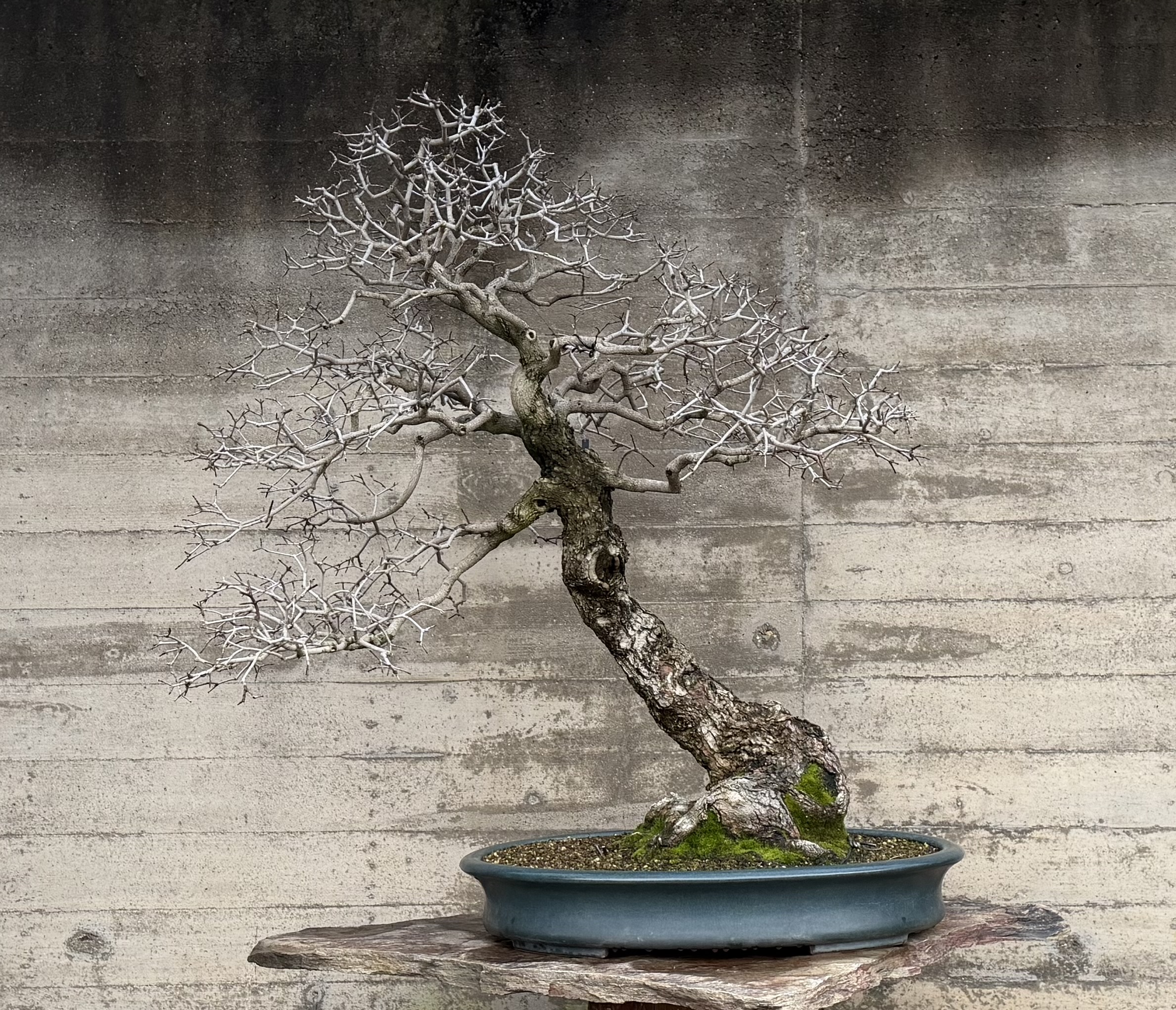
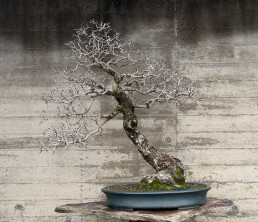
El otro día escuche a alguien la expresión “horror vacui” refiriéndose a una exposición en la que no quedaba un centímetro de pared libre. Pensé en el jardín, en como ahora con los árboles sin hojas parece más vacío. Y no solo pienso en la forma de exponer, pienso en la filosofía de la colección, en lo que hay detrás.
El miedo al vacío parece ser una epidemia en nuestros días, miedo a la falta de imágenes, miedo a la pausa, miedo al silencio. Somos la sociedad del ruido en todos los sentidos. Se da por hecho la falta de verdad, la falta de contenido y la necesidad de llenar ese vacío de lo que sea.
Aquí no. Aquí necesitamos silencio para escuchar, vacío para ver y tiempo…mucho tiempo.
The other day I heard someone use the expression ‘horror vacui’ referring to an exhibition in which there wasn’t an inch of wall free. I thought of the garden, of how now with the trees without leaves it seems emptier. And I don’t just think about the way of exhibiting, I think about the philosophy of the collection, about what lies behind it.
Fear of emptiness seems to be an epidemic nowadays,
fear of the lack of images, fear of pause, fear of silence. We are a society of noise in every sense. We take for granted the lack of truth, the lack of content and the need to fill that emptiness with anything.
Not here. Here we need silence to listen, emptiness to see and time… a lot of time.
Temporada de exposiciones/Exhibition season
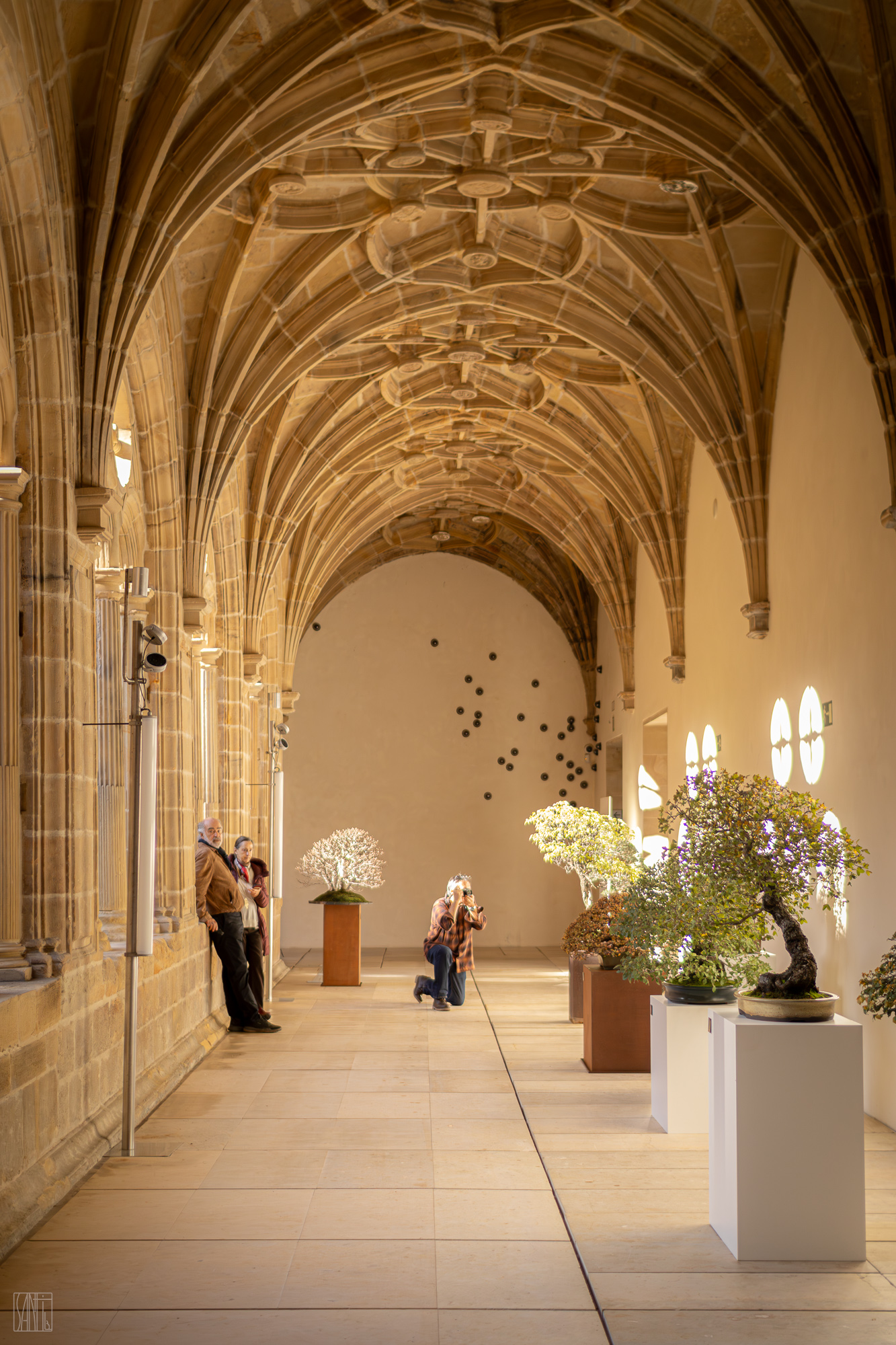
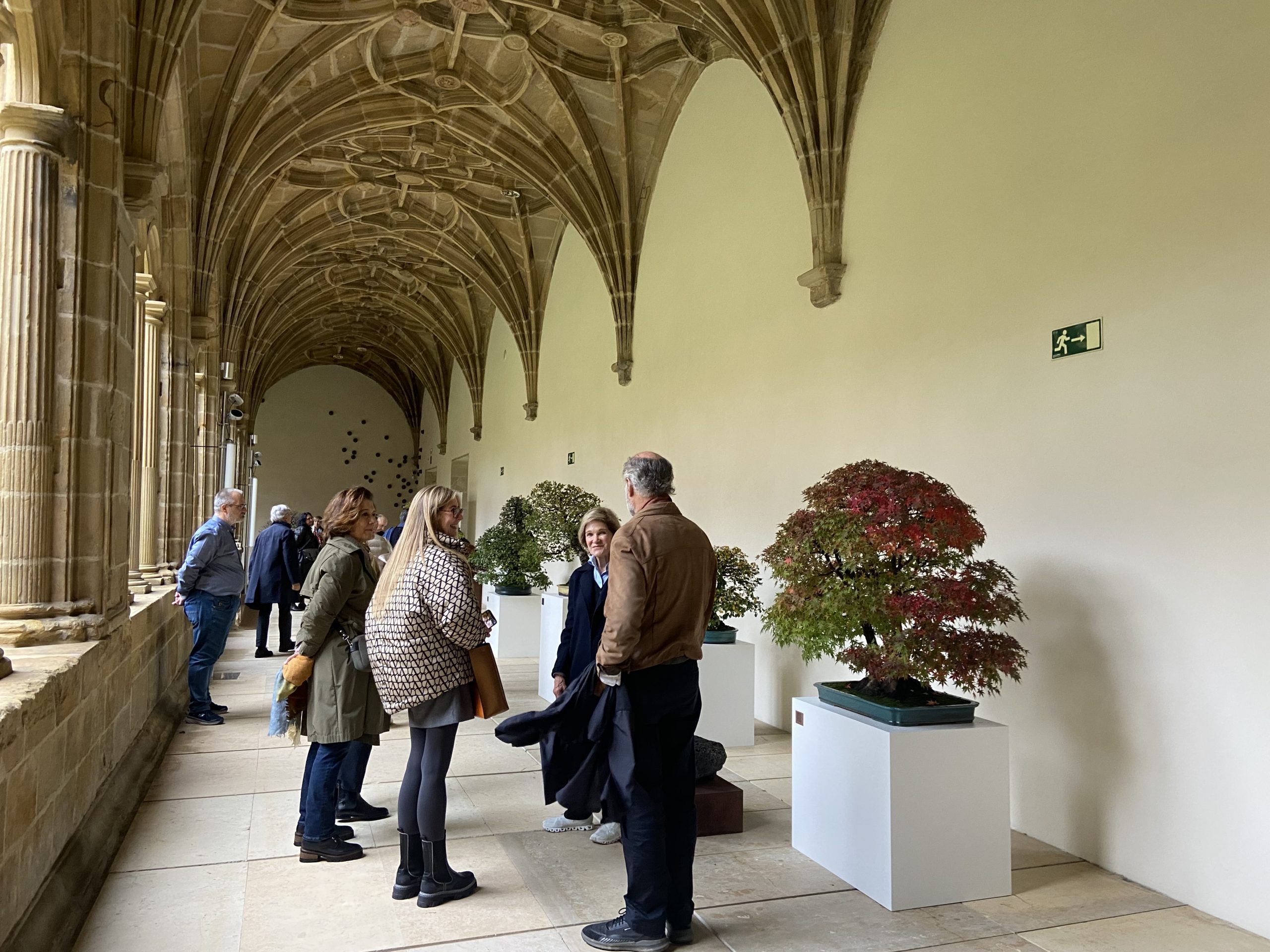
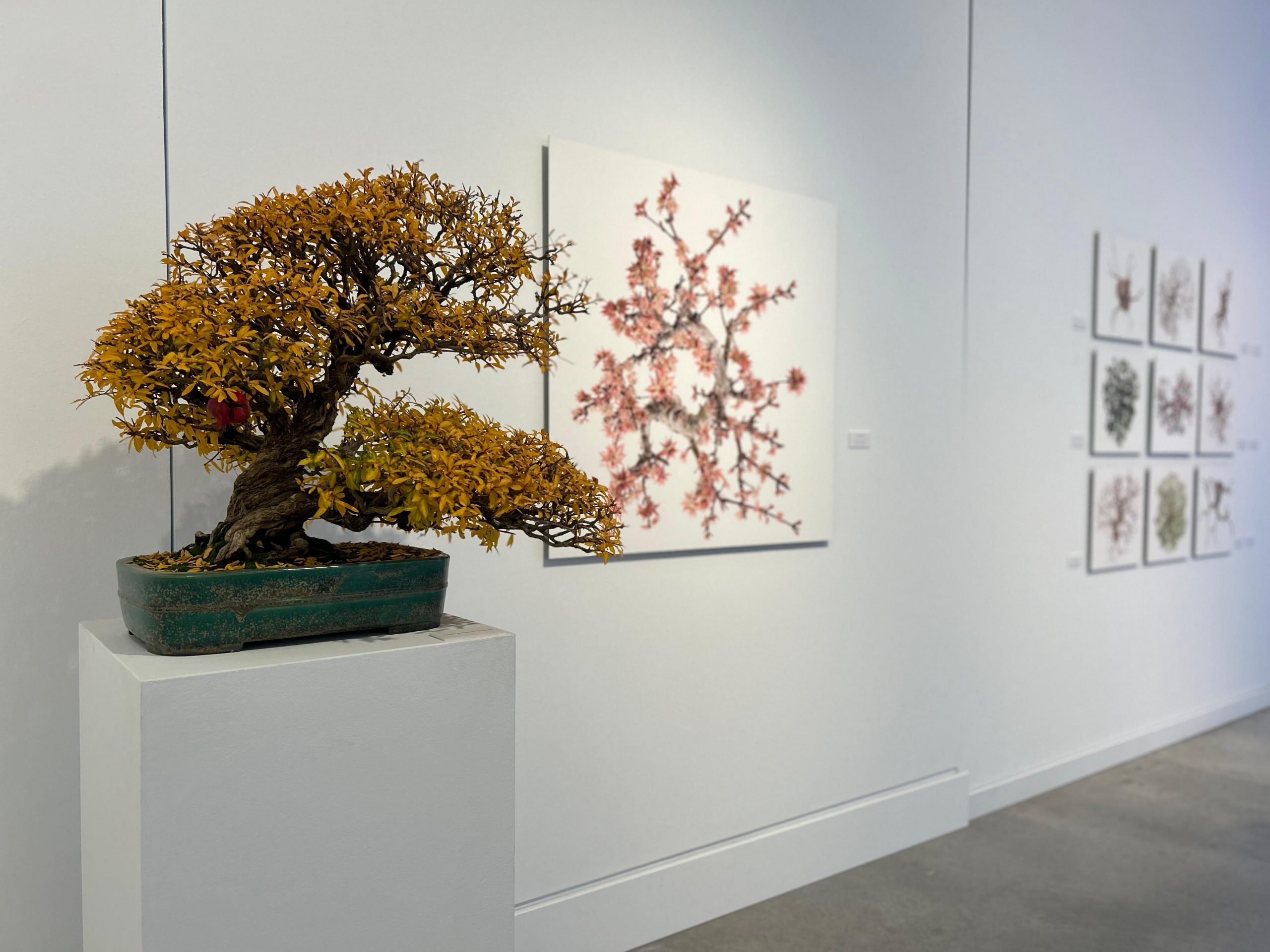
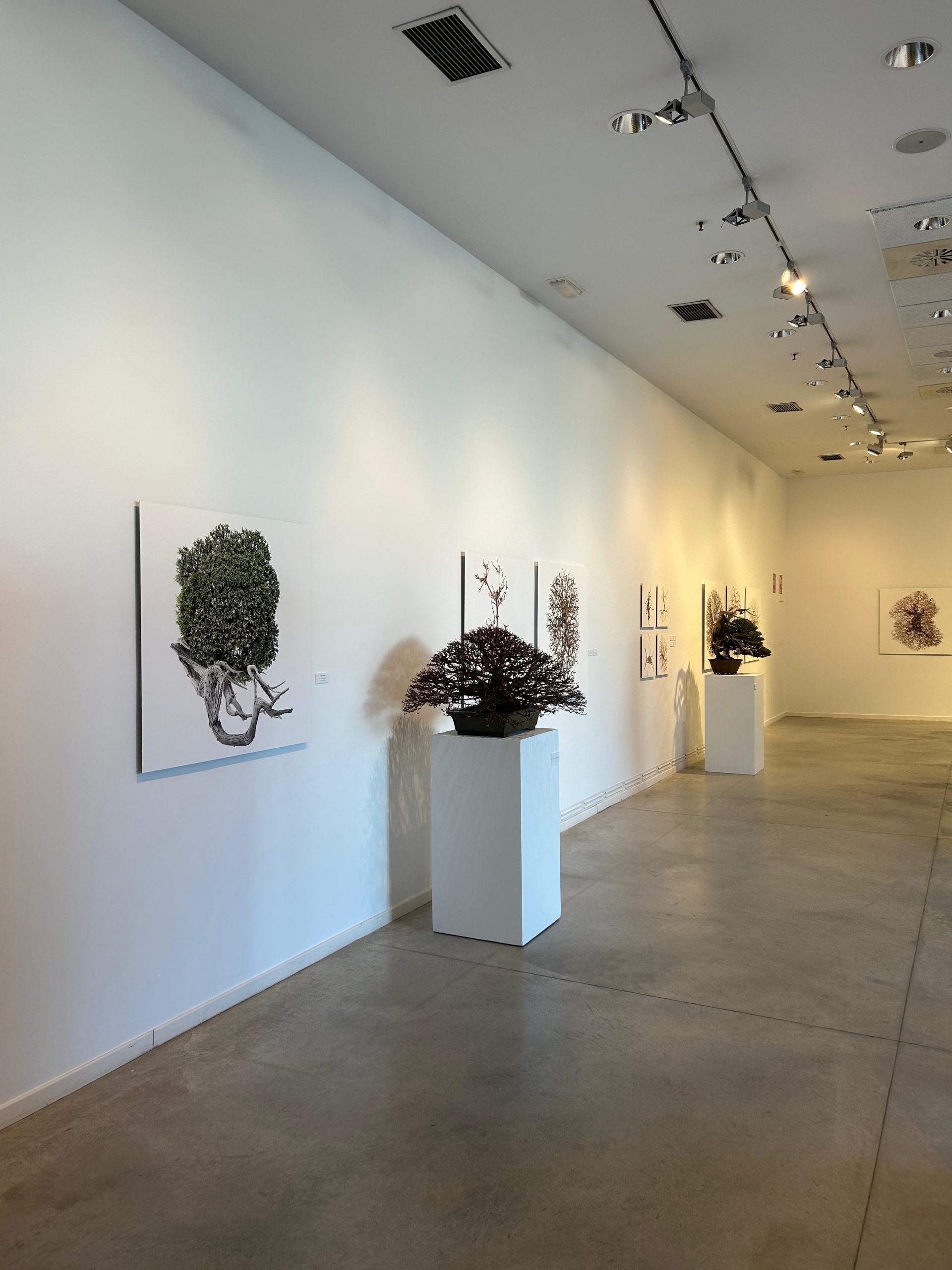
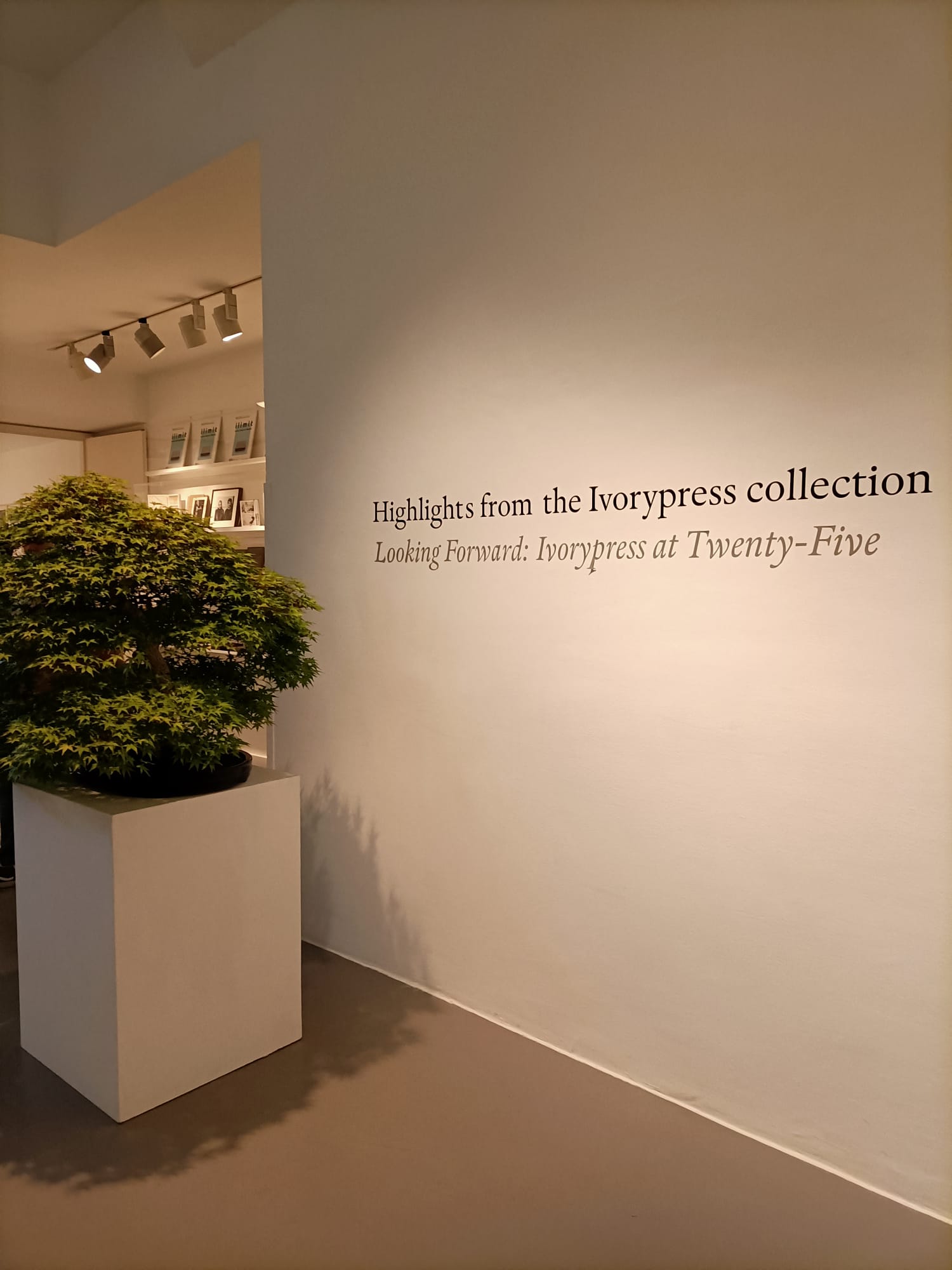
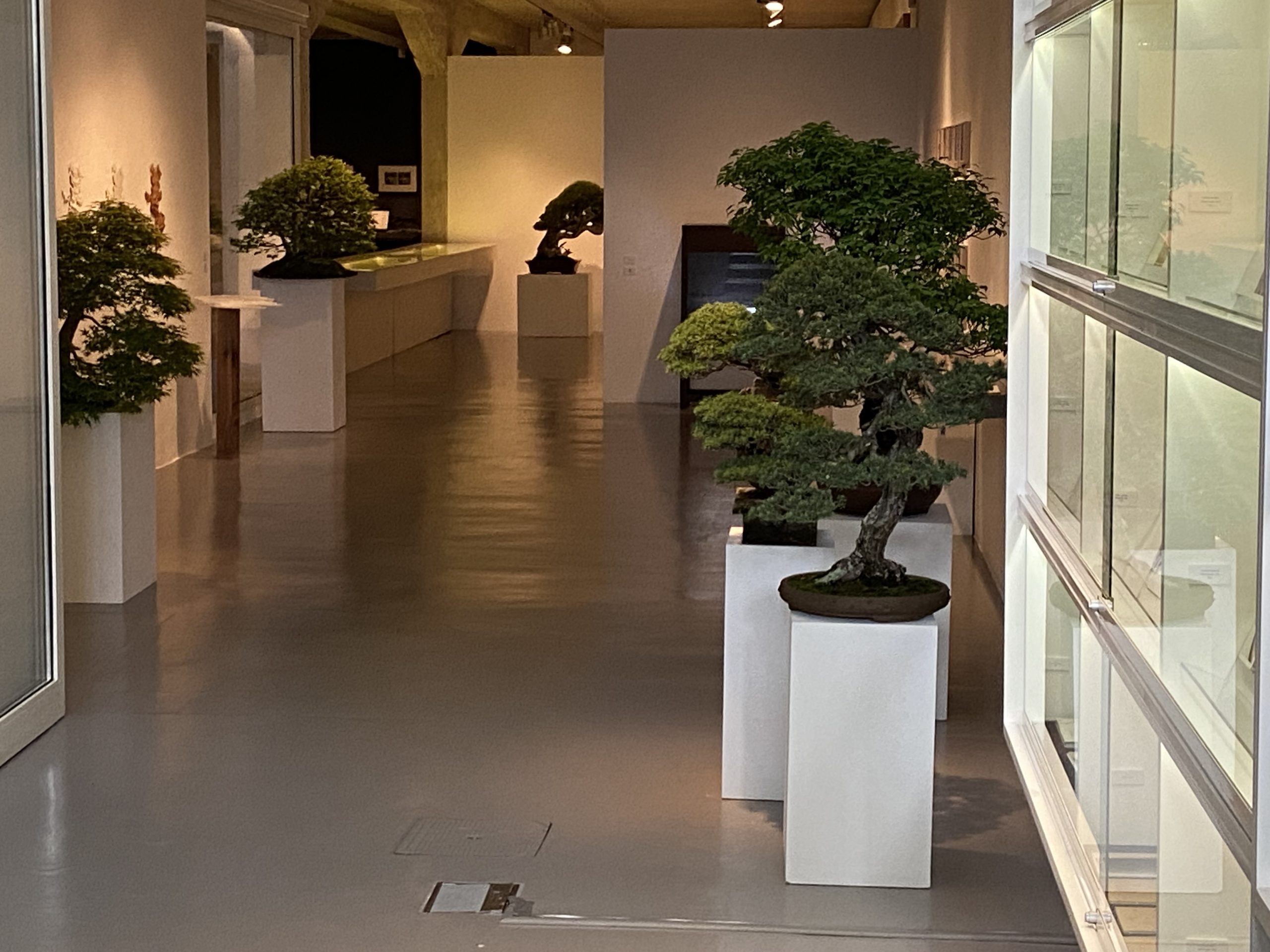
En invierno los árboles descansan; es el momento perfecto, la temporada para sacarlos del jardín y llevarlos a otros lugares. Esta semana viajamos a conocer uno de esos lugares donde poder enseñarlos a un público nuevo.
Exposiciones tan especiales como las que hicimos en Ivory Press en Madrid, Museo San Telmo de San Sebastián o el Centro de arte de Alcobendas; nos dieron muchas alegrías. En ellas los árboles cumplieron como nunca su misión de emocionar y sorprender, con esa concentración que tienen de vida, arte, naturaleza y tiempo.
Si las exposiciones y congresos de bonsái tradicionales han sido, son y serán siempre nuestro lugar amigo, donde la colección se encuentra con viejos conocidos que la aprecian, en estos nuevos lugares la conexión con el público es muy distinta. ¿Qué siente alguien la primera vez que ve uno de los árboles?
Es como cuando alguien no ha visto tu película favorita o no ha leído un libro que a ti te emocionó y sientes envidia por lo que le queda por disfrutar.
Pues eso, a todos los viejos conocidos y a los nuevos; empieza la temporada…
In winter the trees rest; it is the perfect time, the season to take them out of the garden and take them to other places. This week we travelled to see one of those places where we could show them to a new audience.
Exhibitions as special as the ones we did at Ivory Press in Madrid, Museo San Telmo in San Sebastián or the Centro de Arte de Alcobendas, gave us a lot of joy. In them the trees fulfilled as never before their mission to thrill and surprise, with that concentration of life, art, nature and time that they have.
If the traditional bonsai exhibitions and congresses have been, are and will always be our friendly place, where the collection meets old acquaintances who appreciate it, in these new places the connection with the public is very different: What does someone feel the first time they see one of the trees?
It’s like when someone hasn’t seen your favourite film or read a book that moved you and you feel envious of what they have yet to enjoy.
So, to all the old acquaintances and the new ones; the season starts…