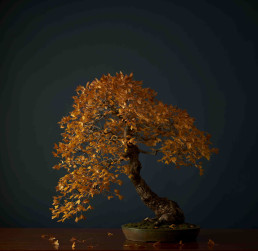
Este arce de Montpellier es un ejemplo de otoño autóctono, sus hojas de color amarillo intenso no tienen nada que envidiar al otoño rojo de los arces japoneses. Este año aún no ha otoñado y sigue verde, pero cuento con fotografías para ilustrar su transformación otoñal
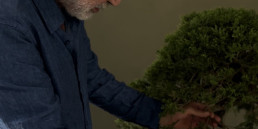
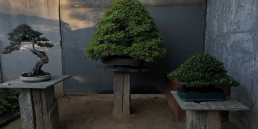
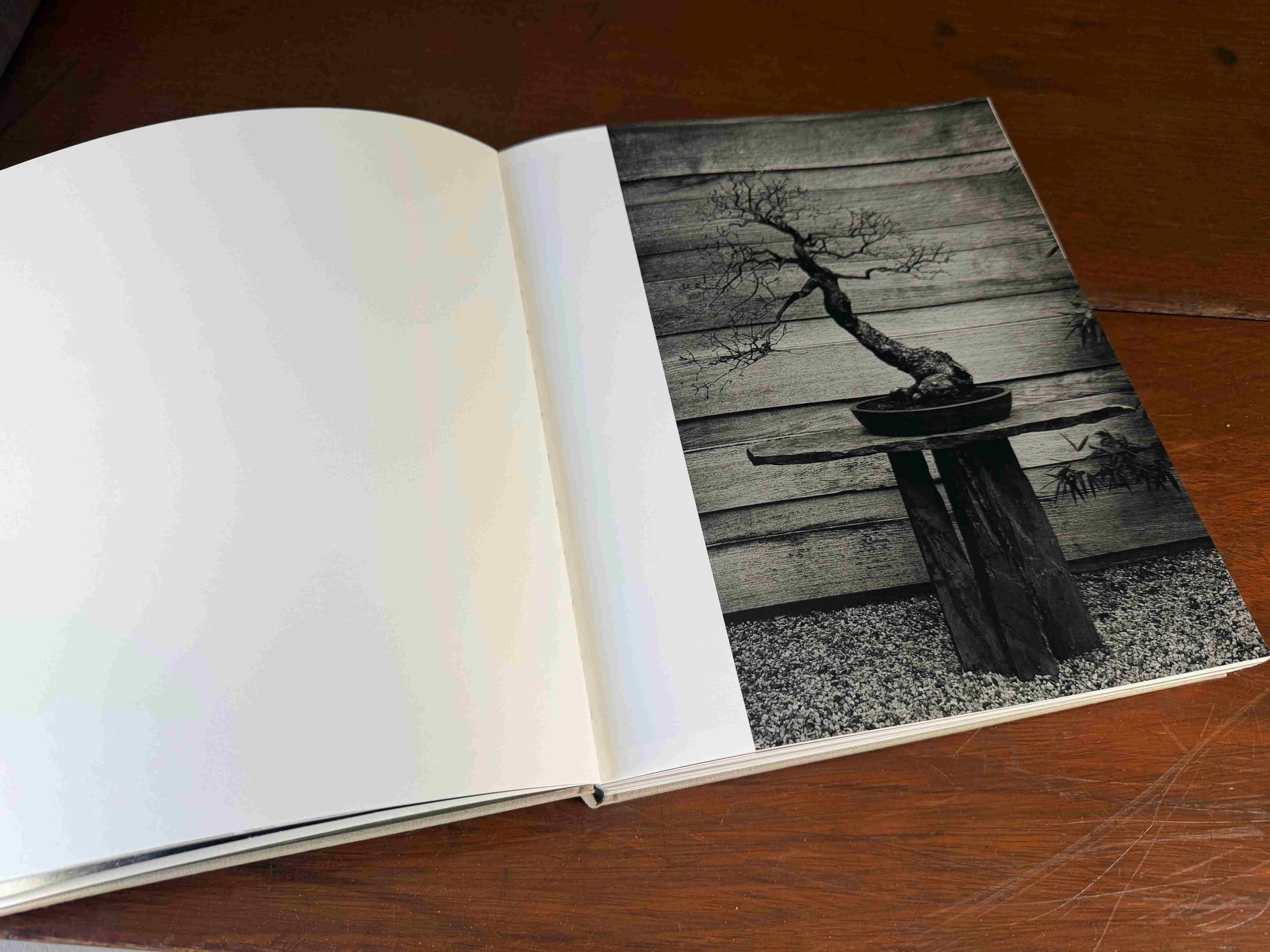
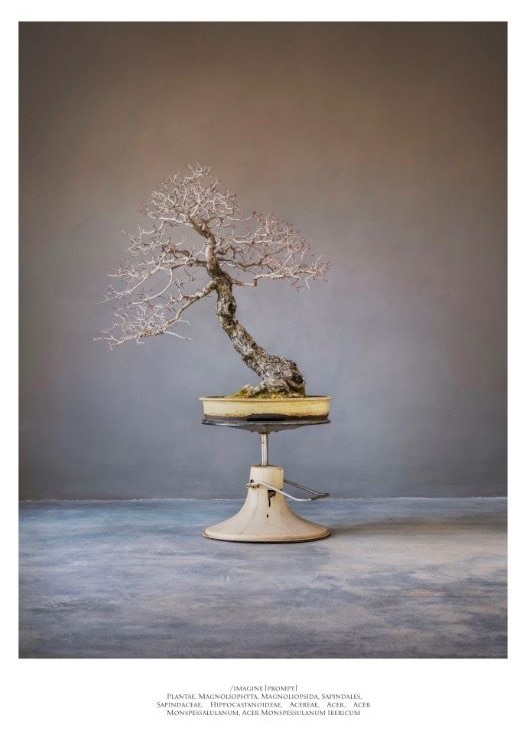
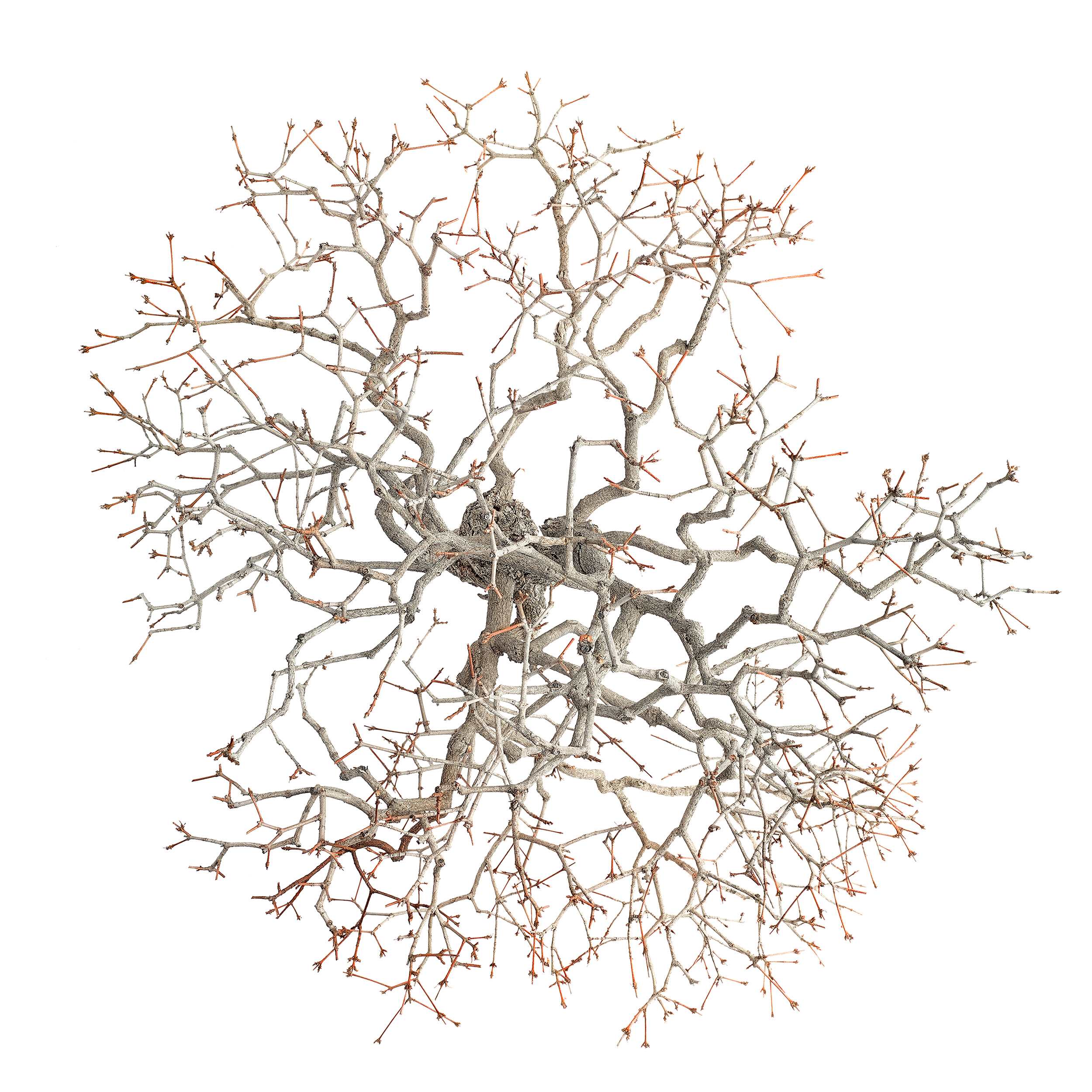
Es un árbol excepcional, su capacidad de conmover radica en su falta de dramatismo, en su total naturalidad. Y no es casualidad que sea uno de esos árboles afortunados en esto de la fotografía , a este lo han fotografiado todos; Carmen Ballvé para la introducción en blanco y negro del libro de Luis “a los pinos el viento”, Fernando Maquieira que fotografió el paso del tiempo y las estaciones de este árbol durante casi cuatro años, Alvaro Laiz en su maravilloso proyecto “Memoria de Invierno”, lo fotografió sobre la mesa hidráulica que utilizamos para trabajar los árboles en el taller y Andrea Savini con su visión desde arriba, lo llamó “el fractal” por la curiosa ramificación del arce de Montpellier en ángulos rectos.
Y aquí dejo esta pequeña muestra, cuatro maravillosas visiones de un mismo árbol
This Montpellier maple is a fine example of native autumn colour; its deep yellow leaves have nothing to envy of the red autumn of Japanese maples. It hasn’t turned colour yet this year and is still green, but I have photographs to illustrate its autumnal transformation.
It is an exceptional tree; its ability to move us lies in its lack of drama, in its complete naturalness. And it is no coincidence that it is one of those trees that is particularly photogenic; everyone has photographed it: Carmen Ballvé for the black-and-white introduction to Luis’s book *The Wind among the Leaves»*; Fernando Maquieira, who documented the passage of time and the changing seasons of this tree over almost four years; Alvaro Laiz, in his marvellous project *Memoria de Invierno*, photographed it on the hydraulic table we use to work on trees in the workshop; and Andrea Savini, with his bird’s-eye view, called it *‘the fractal’* because of the Montpellier maple’s curious branching at right angles.
And here is this small selection: four wonderfull perspectives on the same tree