Esta semana por fin ha llovido. Felices, nos hemos dedicado a preparar la exposición para el Congreso Portugués de Bonsái en el Centro de Arte de Águeda.
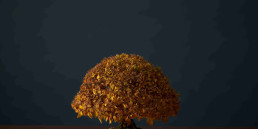
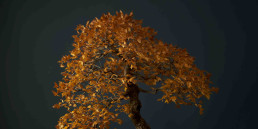
Nos vamos a Portugal con un cargamento de árboles autóctonos. Queremos hacer un pequeño homenaje a la flora autóctona que compartimos con ellos. Acebuches, robles, hayas, pinos y por supuesto alcornoques.
El alcornoque es el árbol nacional de Portugal, protegido por su enorme interés medioambiental y económico. Si tuviéramos tiempo, nos encantaría visitar al Silbador en el Alentejo, el alcornoque más grande del mundo con el nombre más bonito del mundo, que hace referencia a los silbidos de los cientos de aves que viven en sus ramas.
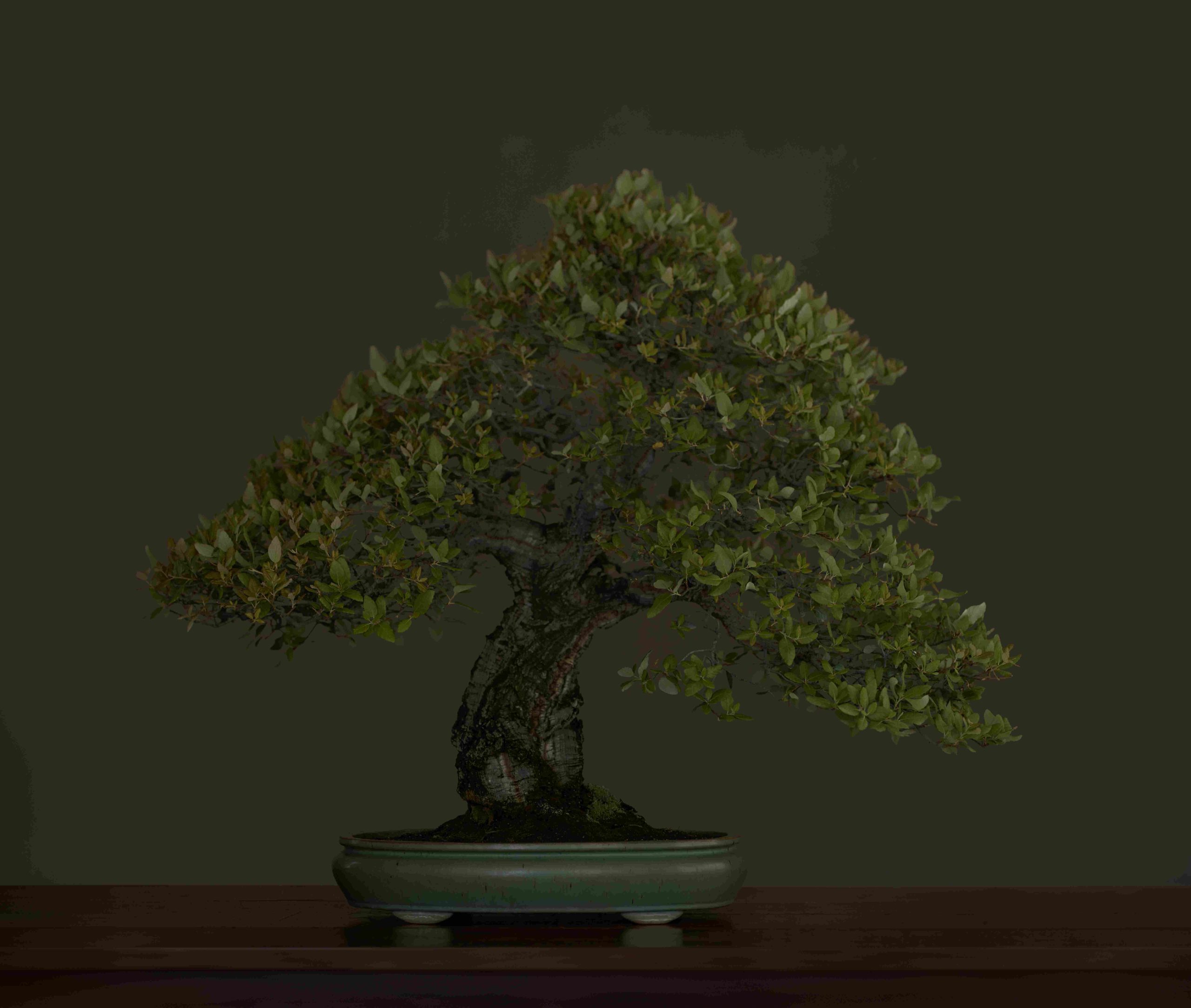
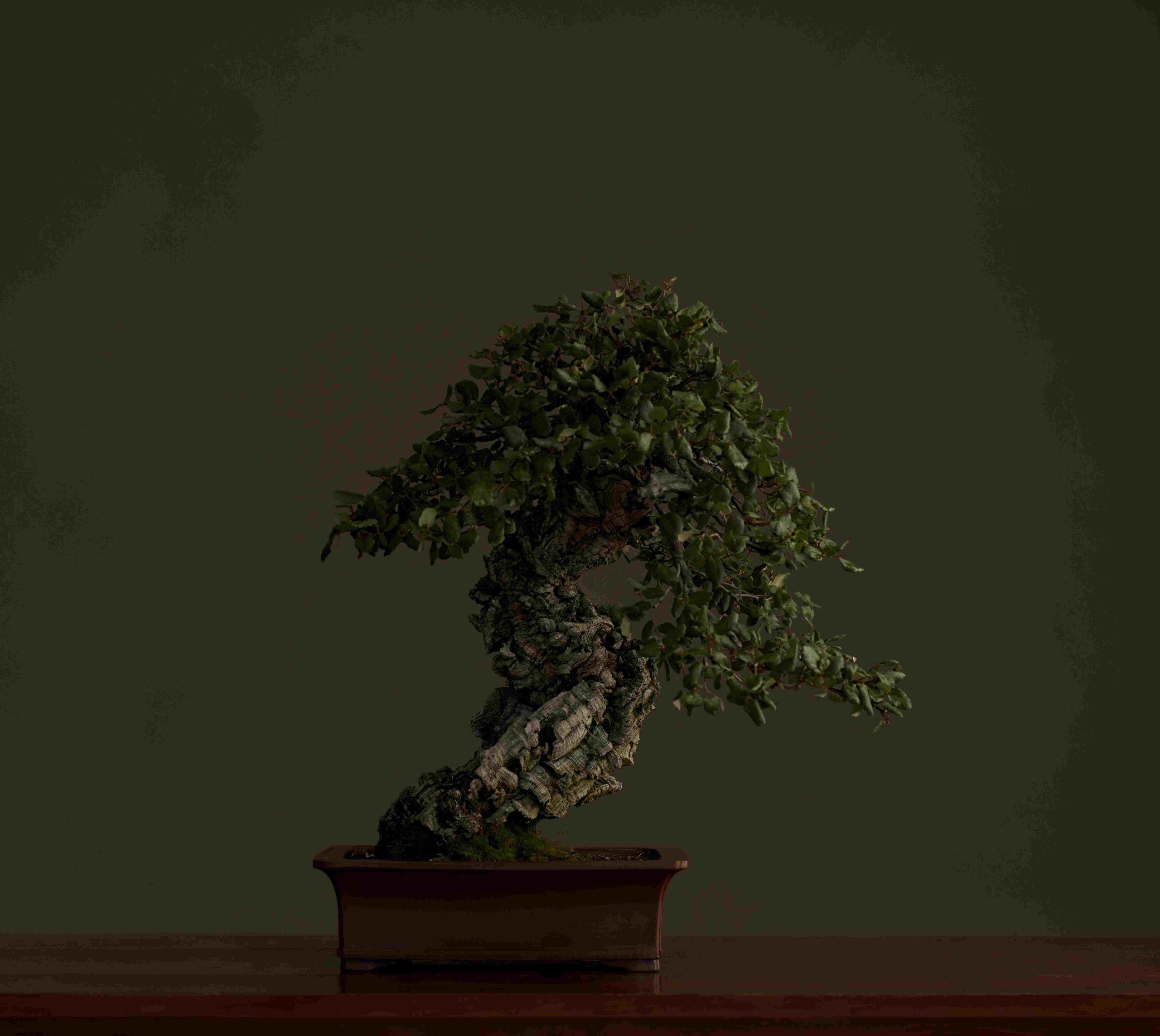
Y nos llevamos a nuestros alcornoques; uno español y otro portugués. Dois sobreiros.
It’s finally rained this week. Feeling happy, we’ve been preparing the exhibition for the Portuguese Bonsai Federation at the Águeda Art Centre.
We’re off to Portugal with a load of native trees. We want to pay a small tribute to the native flora that we share with them: wild olive trees, oaks, beeches, pines and, of course, cork oaks.
The cork oak is Portugal’s national tree, protected due to its enormous environmental and economic importance. If we had the time, we’d love to visit ‘El Silbador’ in the Alentejo – the world’s largest cork oak with the world’s most beautiful name, which refers to the whistling sounds made by the hundreds of birds that live in its branches.
And we’re taking our cork oaks with us: one Spanish and one Portuguese. Dois sobreiros.